Metal Surface Finishing: Common Types and How to Choose
Metal surface finishing is an important step in CNC machining. The right finish can improve corrosion resistance, wear resistance, appearance, and the service life of a machined part. Different metals and applications require different finishing methods, so surface treatment should be considered together with the material, function, and final application.
Anodizing
Anodizing is commonly used for aluminum CNC machined parts. It creates a controlled oxide layer on the surface, improving corrosion resistance and surface hardness. Anodized aluminum can also be produced in different colors, making it suitable for both functional components and consumer products.
Electroplating
Electroplating deposits a thin layer of another metal onto the part surface. Common options include nickel, chrome, zinc, and other plating finishes. Depending on the coating, electroplating can improve corrosion resistance, wear resistance, conductivity, or appearance. It is often used for mechanical components, hardware, and decorative parts.
Chemical Conversion Coating
Chemical conversion coatings are mainly used to protect metal surfaces while maintaining relatively small changes to part dimensions. They are commonly applied to aluminum and other metals where corrosion protection and electrical conductivity are important.
Passivation
For stainless steel components, passivation can help remove free iron and other contaminants from the surface after machining. This improves the natural corrosion resistance of stainless steel and is widely used for components in medical, food-processing, laboratory, and industrial applications.
Sandblasting and Bead Blasting
Sandblasting and bead blasting use abrasive media to modify the surface texture. They can remove machining marks, create a uniform matte appearance, and prepare parts for subsequent coating or painting. Bead blasting is particularly common for aluminum CNC parts.
Polishing and Brushing
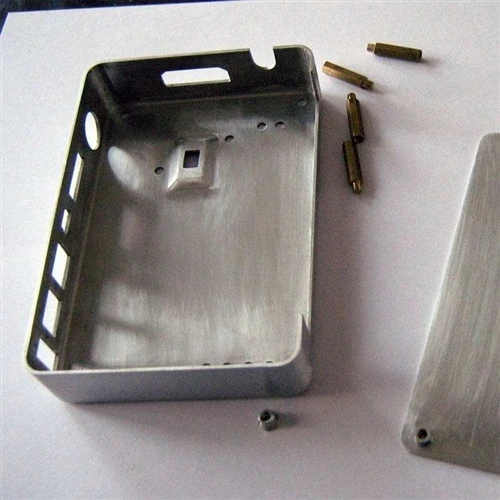
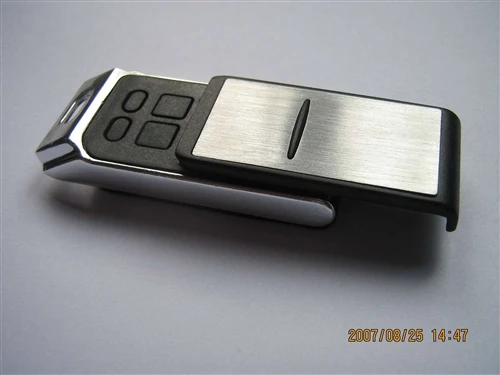
Polishing produces a smoother and brighter surface, while brushing creates a consistent directional texture. These finishes are frequently selected for visible components, equipment housings, consumer products, and decorative metal parts.
How to Select the Right Surface Finish?
The best surface finish depends on several factors:
Base material
Corrosion and wear requirements
Dimensional tolerances
Electrical or functional requirements
Desired appearance
Operating environment
Production quantity and cost
At Jingcheng, surface finishing can be considered together with the CNC machining process from the beginning of production. By reviewing the material, drawing requirements, tolerances, and application, we can help determine a suitable machining and finishing process for your custom parts.