Greater Use of Multi-Axis Machining
As product designs become more complex, manufacturers increasingly need machining methods that can access multiple surfaces with fewer setups.
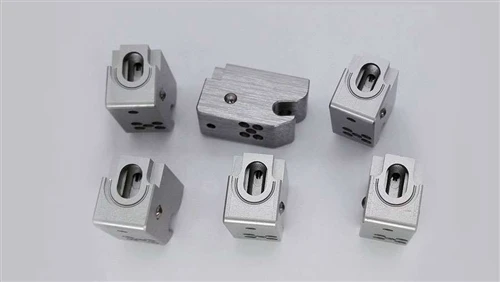
3-axis CNC machining remains suitable for many standard components, while 5-axis machining can be used for parts with complex contours, angled surfaces, and multiple features.
Reducing the number of setups can help maintain positional relationships between features and simplify the production of complex components.
Automation in CNC Manufacturing
Automation is becoming increasingly common in CNC production. Automated tool management, workpiece loading, inspection, and material handling can help improve production consistency and reduce repetitive manual operations.
For manufacturers producing repeated batches of the same component, automation can also help maintain a stable production workflow.
However, automation is not required for every CNC project. For prototypes and small quantities, flexible machining and engineering support can be more important than highly automated production lines.
Digital Manufacturing and Process Control
Digital tools are also changing how CNC projects are prepared and managed.
CAD/CAM software allows engineers to develop machining strategies and simulate tool paths before production. Digital inspection equipment can then be used to verify critical dimensions against the technical drawing.
This connection between CAD design, CAM programming, machining, and inspection helps manufacturers maintain better control over the production process.
Growing Demand for Precision Components
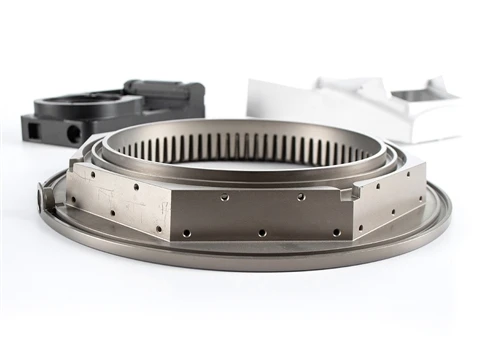
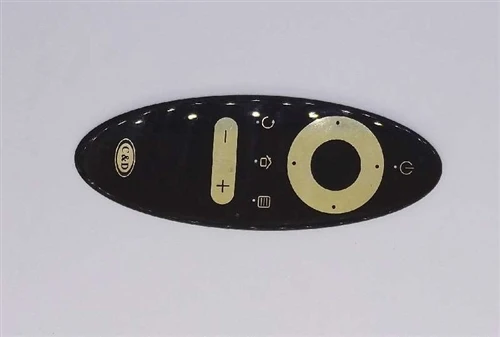
Industries such as robotics, medical equipment, automation, aerospace, and advanced consumer products increasingly require customized components with complex geometries and controlled tolerances.
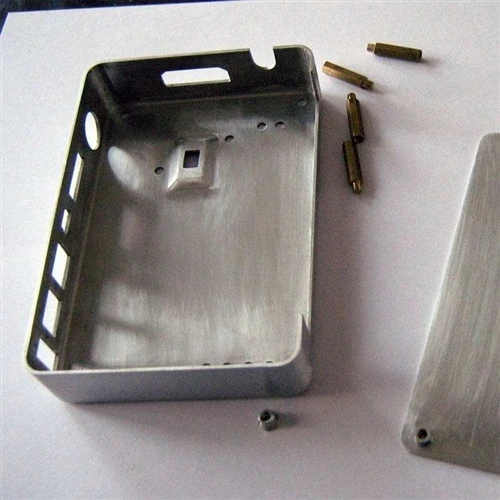
Materials are also becoming more diverse. In addition to aluminum and stainless steel, CNC manufacturers may work with titanium, engineering plastics, and other specialized materials depending on the application.
The manufacturing process therefore needs to consider not only machining capability, but also material properties, tolerance requirements, surface finish, inspection, and final application.
Flexible Manufacturing for Prototypes and Low-Volume Production
Not every product requires mass production. Product developers often need one-off prototypes or small batches for functional testing, assembly verification, and design validation.
CNC machining is well suited to these applications because parts can be produced directly from CAD data without injection molds. Design changes can also be incorporated into subsequent machining runs more easily.
This makes CNC machining a practical option for companies developing new products or requiring customized mechanical components.
CNC Machining at Jingcheng
Jingcheng provides custom CNC machining for prototypes and low-volume production. Our capabilities include 3-axis and 5-axis CNC machining for aluminum, stainless steel, titanium, and engineering plastics.
From CAD review and machining process selection to CNC production and dimensional inspection, each project can be evaluated according to the part geometry, material, tolerance, quantity, and application.
For custom CNC parts, send us your 2D drawing or 3D CAD file so we can review the manufacturing requirements and recommend a suitable production approach.