CNC Machining for Prototypes
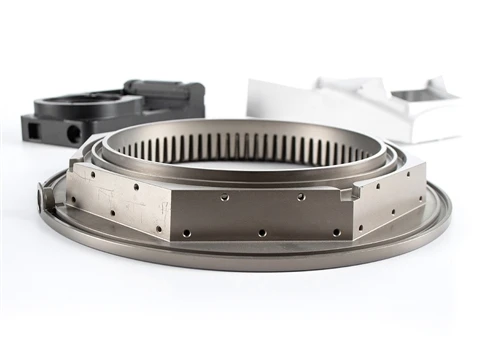
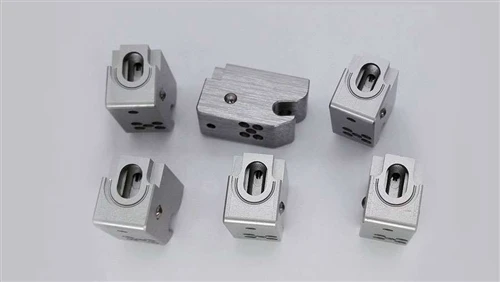
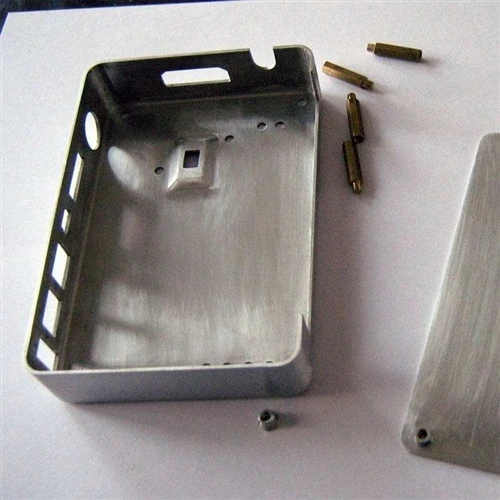
CNC machining removes material from a solid block using computer-controlled cutting tools. It can produce prototypes from materials such as aluminum, stainless steel, titanium, and engineering plastics.
One of the main advantages of CNC machining is that prototypes can be manufactured directly from 3D CAD models while maintaining good dimensional accuracy and surface quality.
CNC machining is suitable for prototypes that need to represent the final material or require functional testing. It can also be used for one-off parts and low-volume production without creating an injection mold.
For complex components, multi-axis machining can provide additional flexibility. 3-axis and 5-axis CNC machining can be selected according to the geometry and tolerance requirements of the part.
3D Printing for Prototypes
3D printing creates parts layer by layer from a digital model. It is useful for prototypes with complex geometries, internal structures, or shapes that may be difficult to machine.
Different 3D printing technologies and materials can be selected depending on the required appearance and performance. Common applications include concept models, ergonomic testing, assembly checks, and early-stage product development.
3D printing can also be useful when speed and design flexibility are more important than achieving the exact properties of a final production material.
Vacuum Casting for Small-Batch Prototypes
Vacuum casting uses a master model to create a silicone mold, which is then used to produce multiple resin copies.
Compared with producing every prototype individually, vacuum casting can be useful when several visually consistent parts are required. It is often considered for product demonstrations, appearance testing, and small-batch prototype production.
The final parts can be produced in different resin materials and may be finished or colored according to the project requirements.
How to Choose a Prototype Manufacturing Method?
The right manufacturing process depends on the purpose of the prototype.
| Requirement | Suitable Method |
|---|---|
| Functional metal prototype | CNC machining |
| Tight dimensional requirements | CNC machining |
| Complex visual model | 3D printing |
| Very fast design verification | 3D printing |
| Multiple appearance prototypes | Vacuum casting |
| Final-material evaluation | CNC machining |
| One-off or low-volume parts | CNC machining |
In many product development projects, more than one method can be used. For example, 3D printing may be used during the early design stage, followed by CNC machining when functional testing requires a production-grade material.
CNC Prototype Machining at Jingcheng
Jingcheng provides custom CNC machining for prototypes and low-volume production. Our capabilities include 3-axis and 5-axis machining for aluminum, stainless steel, titanium, and engineering plastics.
We can manufacture custom components based on your 2D drawings or 3D CAD files, with machining, inspection, and surface finishing requirements considered according to the application.
Whether you need a single functional prototype or a small batch of precision components, the manufacturing process can be selected according to your part geometry, material, tolerance, and intended use.