Sanding
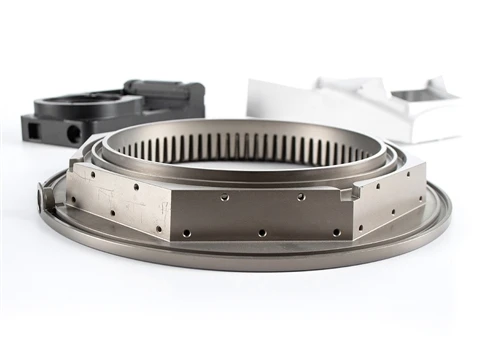
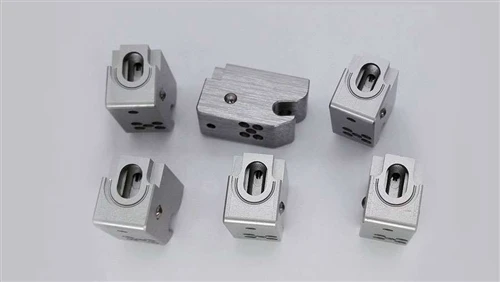
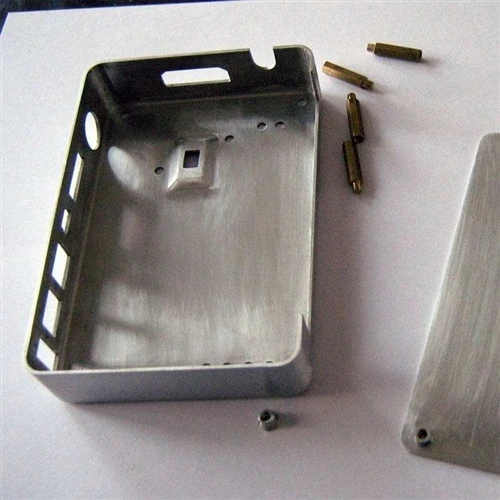
Sanding is commonly used to remove burrs, tool marks, and minor surface imperfections from machined prototypes. Different abrasive grades can be selected according to the required surface smoothness.
Sanding can also provide a suitable surface for subsequent painting, polishing, or other finishing processes.
Painting
Painting allows prototypes to achieve specific colors, gloss levels, and visual effects. The process normally includes surface preparation followed by primer and one or more layers of paint.
Painted prototypes are often used for product appearance evaluation, functional demonstrations, and marketing samples.
Screen Printing
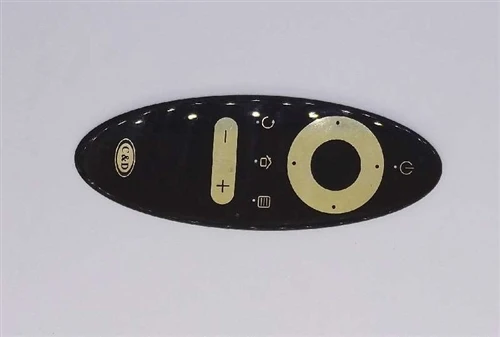
Screen printing can add logos, text, symbols, numbers, and other graphics to prototype surfaces. It is useful when a prototype needs branding or clear identification.
The printing process can be customized according to the design and surface requirements of the part.
Electroplating
Electroplating deposits a metal coating onto the surface of a component. Depending on the selected coating, it can improve appearance, wear resistance, corrosion resistance, or electrical properties.
Nickel, chrome, and zinc plating are among the commonly used options for metal components.
Anodizing
Anodizing is widely used for aluminum CNC machined prototypes. It creates a controlled oxide layer on the aluminum surface, improving corrosion resistance and surface durability.
Anodized aluminum can also be dyed in different colors, making it suitable for both functional components and appearance prototypes.
Laser Engraving
Laser engraving uses a focused laser beam to create permanent markings, logos, serial numbers, text, or graphics on the surface of a part.
It provides precise and repeatable markings and can be used on many metals and engineering plastics, depending on the material and required result.
Polishing
Polishing is used when a smoother and more reflective surface is required. It can reduce visible machining marks and create a bright or mirror-like appearance on suitable materials.
Polishing is often selected for visible components, decorative prototypes, optical-related parts, and products where surface appearance is important.
How to Choose a Prototype Surface Finish?
The appropriate finishing process depends on several factors:
Material of the prototype
Required appearance
Surface roughness
Corrosion or wear requirements
Dimensional tolerances
Functional requirements
Final application
Production quantity
For example, anodizing is commonly considered for aluminum parts, while passivation may be more appropriate for stainless steel components where corrosion resistance is important.
At Jingcheng, surface finishing can be considered together with the CNC machining process. We manufacture custom prototypes and low-volume parts in aluminum, stainless steel, titanium, and engineering plastics, with finishing requirements reviewed according to the customer's drawings and application.
Send us your CAD file or technical drawing to discuss the machining and surface finishing options for your prototype.