What Is Prototype Manufacturing?
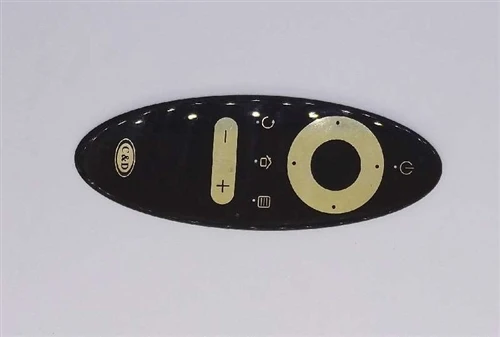
Prototype manufacturing refers to producing a physical model or functional part based on a 3D CAD model, 2D engineering drawing, or product concept.
Depending on the design and application, prototypes can be manufactured using different processes, including:
CNC machining
3D printing
Vacuum casting
Sheet metal fabrication
Other specialized manufacturing processes
The most suitable method depends on the material, geometry, quantity, tolerance, surface finish, and purpose of the prototype.
Common Materials for Prototypes
Prototype materials should be selected according to how the part will be evaluated.
For plastic prototypes, materials may include ABS, PC, PA, POM, and other engineering plastics. For functional components, aluminum, stainless steel, titanium, and other metals may be selected.
Using a material that is close to the intended production material can be particularly useful when the prototype needs to undergo functional or mechanical testing.
CNC Machining for Prototypes
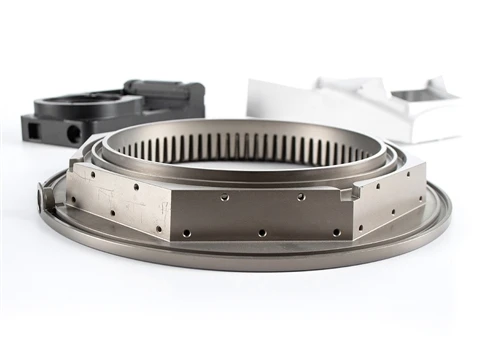
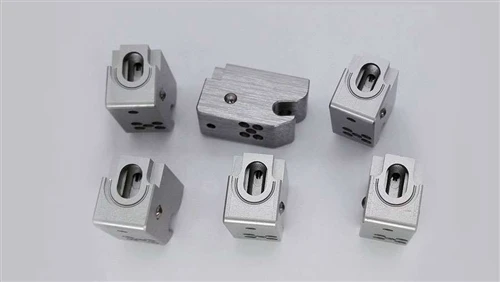
CNC machining is suitable for prototypes that require accurate dimensions, functional performance, or production-grade materials.
A solid block of material is machined according to the CAD model and technical drawing. Depending on the geometry, 3-axis or 5-axis CNC machining can be used.
CNC machining is commonly selected for:
Functional metal prototypes
Precision mechanical components
Robot components
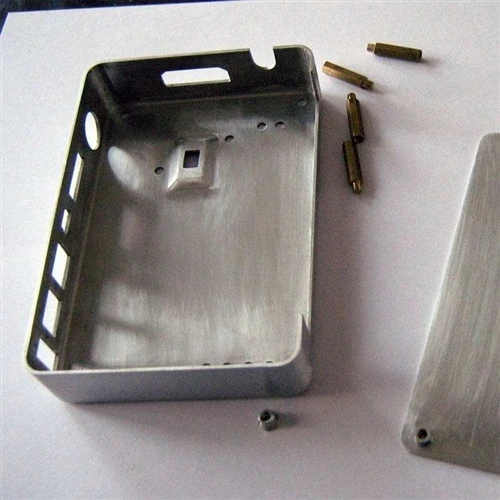
Aluminum housings
Fixtures and brackets
Low-volume production parts
Surface finishing such as anodizing, bead blasting, polishing, painting, or passivation can also be considered according to the material and application.
3D Printing for Prototypes
3D printing produces parts layer by layer directly from a digital 3D model. It is useful when designers need to quickly check the shape, dimensions, assembly, or appearance of a new product.
3D printing is particularly useful for complex geometries and rapid design iterations. A design can be modified digitally and a new prototype produced without conventional tooling.
For some projects, 3D printing can be used during the early development stage, followed by CNC machining when a more functional or production-grade prototype is required.
Prototype Manufacturing Process
A typical prototype project may include the following steps:
1. CAD Design
The product design is developed and prepared as a 3D CAD model and technical drawing.
2. Design and Manufacturing Review
The geometry, material, tolerances, and manufacturing requirements are reviewed.
3. Manufacturing Method Selection
CNC machining, 3D printing, or another process is selected according to the project requirements.
4. Prototype Production
The part is manufactured according to the approved design and specifications.
5. Surface Finishing
Additional processes can be applied when required, such as painting, anodizing, polishing, or other finishes.
6. Inspection and Testing
Dimensions, appearance, assembly, and functional requirements can be checked before the prototype is evaluated.
Why Is Prototype Manufacturing Important?
A physical prototype gives product teams an opportunity to identify potential problems before moving into larger-scale production.
It can help with:
Design verification
Dimensional checking
Assembly testing
Functional testing
Appearance evaluation
Ergonomic testing
Customer demonstrations
Design improvements
Instead of relying only on a digital model, engineers can evaluate the actual physical part and make informed design changes.
Prototype Manufacturing at Jingcheng
Jingcheng provides CNC machining and 3D printing services for prototypes and low-volume production.
Our CNC capabilities include 3-axis and 5-axis machining for aluminum, stainless steel, titanium, and engineering plastics. 3D printing can be used for rapid prototypes, design verification, complex geometries, and product development.
Whether you need a single prototype, functional component, or small batch of custom parts, our team can review your CAD model and technical requirements and recommend a suitable manufacturing process.
Send us your 2D drawing or 3D CAD file to discuss your prototype project.