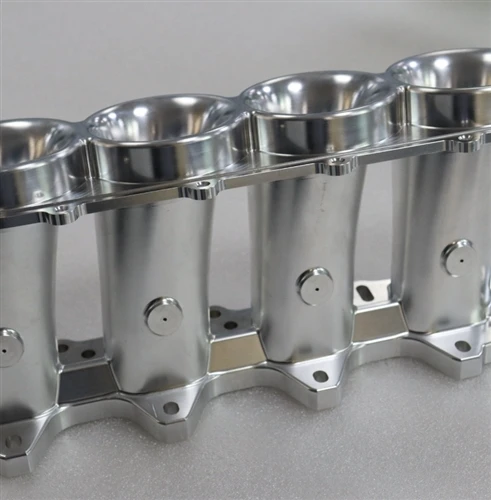
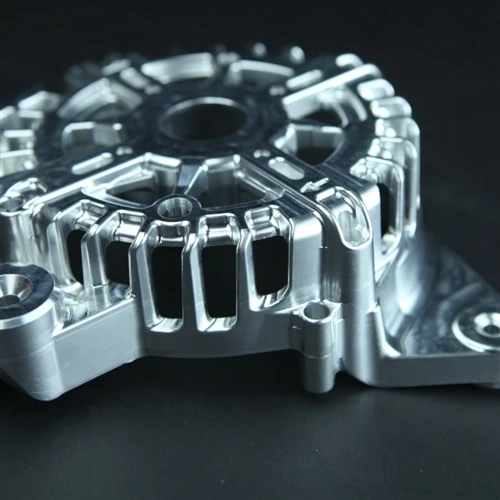
1. Complex Geometry and Multiple Machining Features
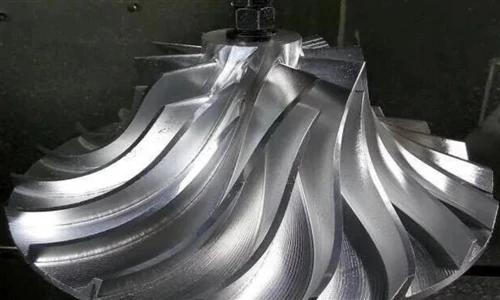
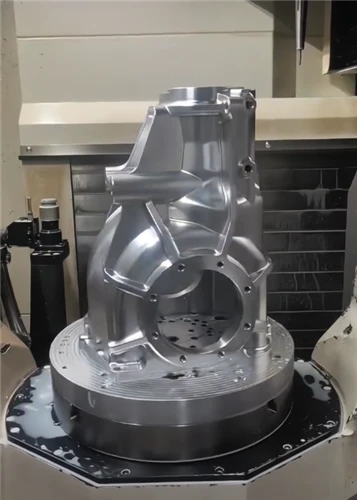
Humanoid robot joint components often include bearing bores, mounting holes, pockets, curved surfaces and threaded features in one part. Some designs also have features located on several sides of the component.
A standard 3-axis CNC machine may require multiple setups to access these areas. Each additional setup creates another opportunity for positioning errors.
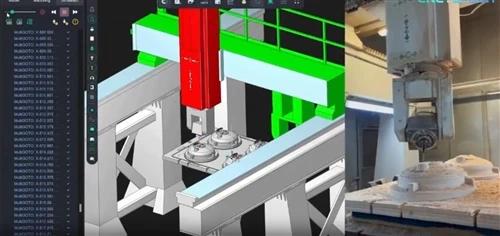
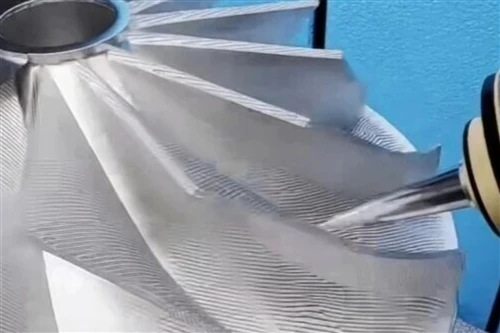
For complex components, 5-axis CNC machining can reduce the number of setups and improve access to difficult features. The machining strategy should still be selected according to the actual geometry, tolerance requirements and production volume.
2. Tight Tolerances and Assembly Accuracy
Robot joints usually contain multiple mating components, such as bearings, shafts, motors, reducers and covers. The important issue is not simply achieving a small dimensional tolerance on every feature, but controlling the relationship between critical features.
For example, bearing bores, shaft holes and mounting surfaces may need to maintain accurate positional relationships to ensure proper assembly and movement.
Jingcheng reviews critical dimensions, hole positions, datums and tolerances before machining so that the manufacturing process is planned around the functional requirements of the part.

3. Difficult-to-Machine Materials
Aluminum alloys such as 6061 and 7075 are widely used for robot components because they offer a useful combination of strength and low weight. Stainless steel and titanium may also be selected when higher strength, wear resistance or other material properties are required.
Different materials require different cutting strategies. Tool selection, spindle speed, feed rate, depth of cut and cooling conditions need to be adjusted according to the material and part geometry.
4. Thin Walls and Machining Deformation
Lightweight robot housings and structural components may contain thin walls or deep pockets. Excessive cutting force can cause vibration or deformation, particularly when the remaining material has limited rigidity.
A practical machining sequence is usually:
Rough machining → stress relief when required → semi-finishing → finishing → inspection
Leaving appropriate material during rough machining and removing it gradually during finishing can help control deformation. Fixturing should also support the part without applying excessive clamping force.
5. Tool Access and Internal Corners
Deep pockets, narrow slots and sharp internal corners can create difficulties for standard cutting tools. Using a tool that is too small may increase machining time and tool wear, while an unnecessarily sharp internal corner may be difficult or expensive to produce.
Designing practical internal radii and allowing sufficient tool access can make robot parts easier to machine without affecting their function.
6. Inspection Is Part of the Manufacturing Process
For precision robot components, inspection should not be treated as the final step only. Critical dimensions should be considered during process planning and checked at appropriate stages.
Depending on the part requirements, inspection may include dimensional measurement, hole and bore inspection, surface roughness checks and visual inspection of machined surfaces.
For critical mating features, inspection results can also help identify process drift before a larger batch is completed.
CNC Machining for Custom Humanoid Robot Parts
Jingcheng provides 3-axis and 5-axis CNC machining for custom robot components, including joint housings, arm links, shafts, brackets, flanges, motor housings and other precision mechanical parts.
We work with aluminum, stainless steel, titanium and engineering plastics for prototypes and low-volume production. Customers can provide 3D CAD models and 2D drawings for manufacturing review. Our engineers can evaluate machining access, material removal, tolerances, fixturing and other DFM considerations before production.
If you have a humanoid robot joint or other robot component that needs CNC machining, send us your CAD files or drawings for a manufacturing review.