1. Complex Mechanical Components
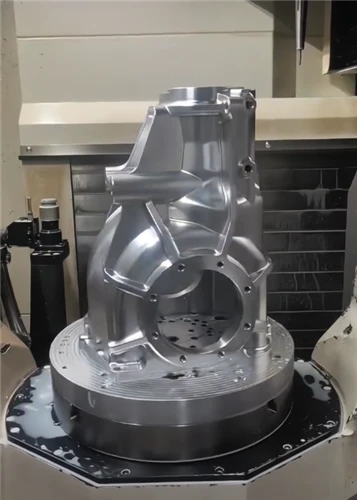
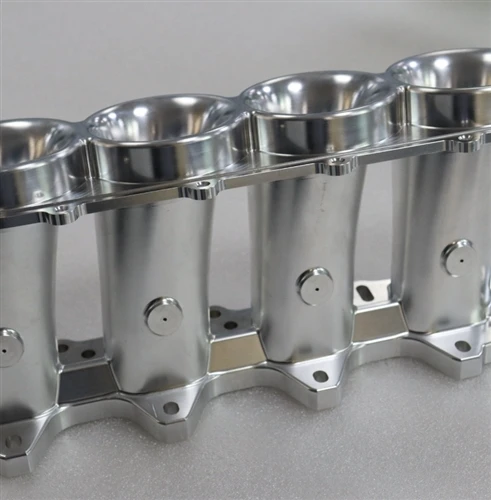
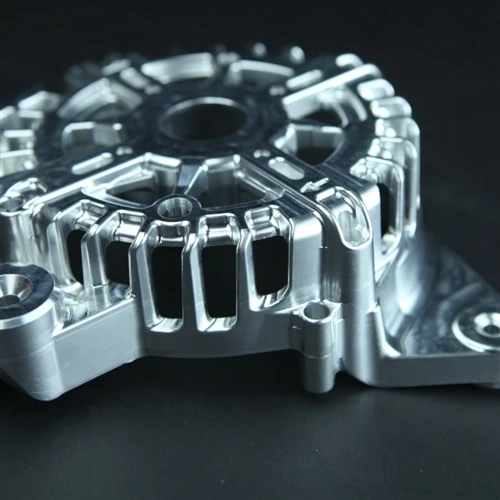
Some mechanical components contain holes, pockets, angled surfaces and mounting features on several sides. Machining these features on a conventional 3-axis machine may require multiple setups.
With 5-axis machining, the cutting tool can approach the workpiece from different directions, helping reduce repositioning and maintain the relationship between critical features.
Typical examples include robot joint housings, actuator components, structural links, flanges and other precision mechanical parts.
2. Complex Curved Parts
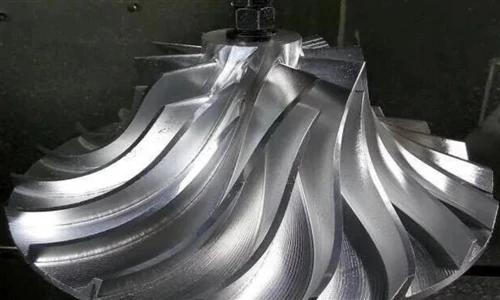
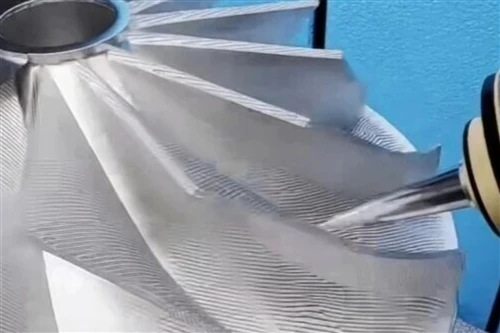
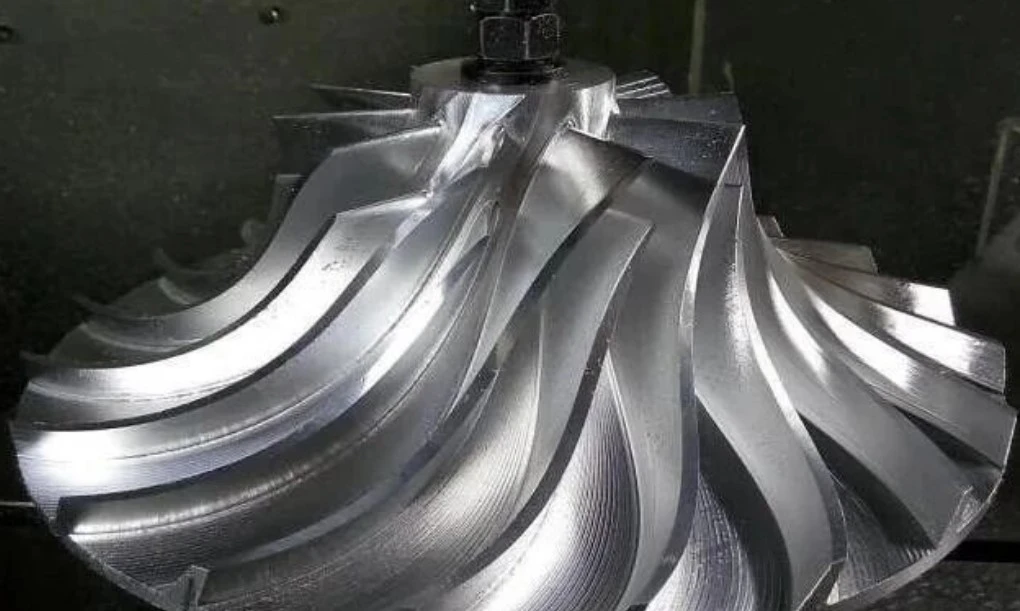
Freeform surfaces are one of the typical applications for 5-axis CNC machining.
Components such as impellers, blades, curved housings and other 3D-profiled parts can be difficult to machine efficiently when tool access is limited. A 5-axis machine can continuously adjust tool orientation while following the surface, providing greater flexibility during roughing and finishing.
This is particularly useful for aerospace, robotics, automotive and industrial equipment components.
3. Irregular or Difficult-to-Fixture Parts
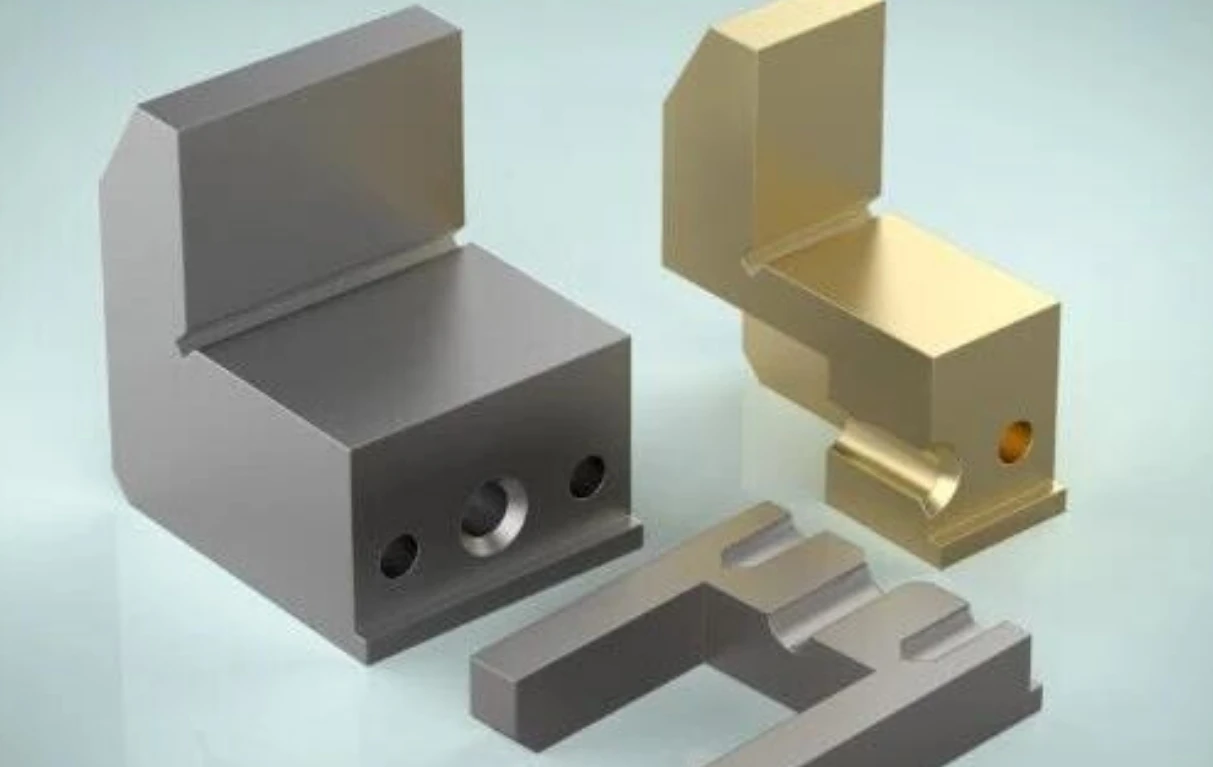
Some parts have an unusual shape and limited flat surfaces for workholding. Repeatedly removing and repositioning such a workpiece can make the machining process more complicated.
A suitable 5-axis machining strategy can provide access to several areas while keeping the component securely positioned. Workholding still needs to be carefully planned according to the part geometry and cutting forces.
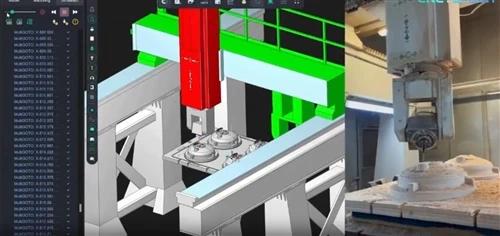
4. Complex Molds and Tooling
5-axis CNC machining is also used for molds and tooling with deep cavities, curved surfaces and complex details.
Applications may include foam molds, plastic injection molds, die-casting molds and forming tools. Better tool access can help reduce the need for long cutting tools and multiple setups, particularly when machining large or complicated mold surfaces.
When Should You Choose 5-Axis CNC?
The number of axes should be selected according to the actual part rather than simply choosing the most advanced machine.
Factors such as part geometry, tolerance requirements, tool access, material, workholding and production volume all influence the machining strategy.
Jingcheng provides 3-axis and 5-axis CNC machining for custom components in aluminum, stainless steel, titanium and engineering plastics. We work from customer-supplied CAD files and technical drawings and can review the design for manufacturability before production.
For complex robot parts, aerospace components, medical parts, molds and other precision components, 5-axis machining can provide greater flexibility where multiple machining orientations are required.
Send us your CAD file or drawing for a manufacturing review.