CNC Machining for Automotive Components
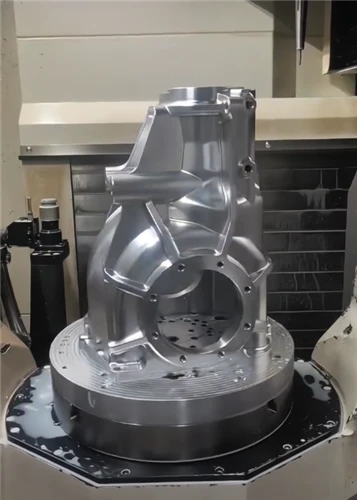
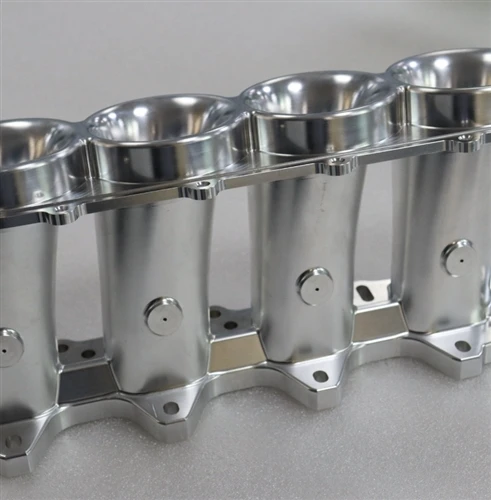
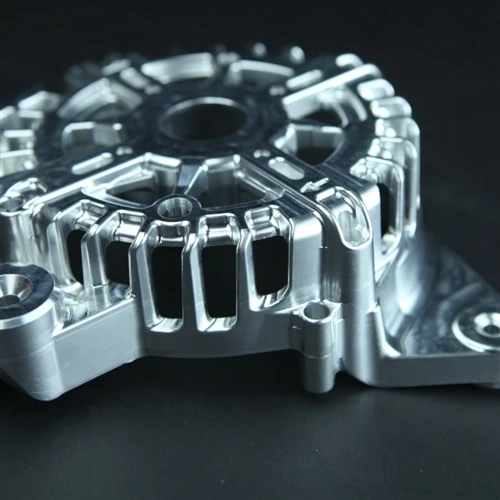
Automotive parts are often exposed to vibration, mechanical loads, temperature changes and repeated operation. CNC machining is commonly used for housings, brackets, shafts, connectors, valve components and other precision mechanical parts.
Aluminum is frequently selected when weight reduction is important, while stainless steel and engineering plastics may be used for applications requiring different mechanical or environmental properties.
For prototype and low-volume automotive projects, CNC machining also allows engineers to manufacture functional parts directly from CAD models without committing to dedicated production tooling.
CNC Machining for Medical Device Parts
Medical manufacturing requires careful attention to material, geometry, surface condition and dimensional accuracy.
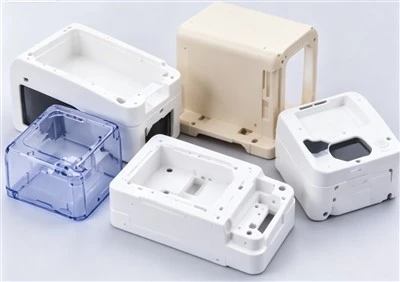
CNC machining can produce components such as medical device housings, surgical instrument components, positioning parts, fixtures and other precision mechanical structures.
Stainless steel, titanium and engineering plastics are among the materials that can be considered depending on the application. Features such as small holes, pockets, threads and mating surfaces need to be reviewed carefully during manufacturing.
For medical projects, the machining process should be based on the customer's drawings, material specifications and quality requirements rather than applying the same process to every part.
Aerospace and Drone CNC Machining
Aerospace and drone components often combine lightweight structures with complex geometry. Aluminum alloys such as 6061 and 7075 are widely used for many machined structural components, while titanium and stainless steel may be selected for applications requiring higher strength or specific environmental performance.
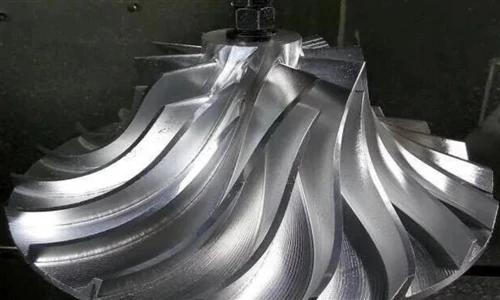
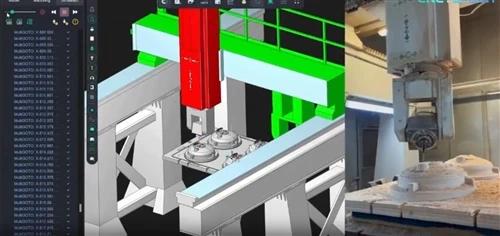
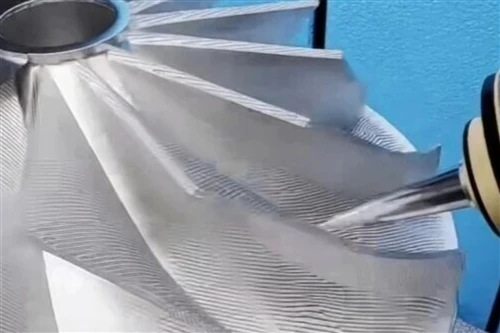
5-axis CNC machining can be useful for parts with angled surfaces, curved profiles, deep features or multiple machining directions. By reducing the number of setups, complex features can sometimes be machined more efficiently while maintaining the relationship between critical surfaces.
Typical applications include structural brackets, housings, mounting components, shafts, impeller-related parts and drone components.

CNC Machining for Robots and Automation Equipment
Robotics is another area where custom CNC machining is widely used.
Robot joints, arm links, motor housings, shafts, brackets, flanges and chassis components often contain multiple precision features that must work together during assembly.
For humanoid and industrial robots, weight, rigidity, bearing fits and mounting accuracy can all affect the final assembly. Aluminum is often selected for lightweight structural components, while stainless steel and other materials may be used where greater strength or wear resistance is required.
Jingcheng provides 3-axis and 5-axis CNC machining for custom robot components, supporting prototype and low-volume manufacturing based on customer CAD files and technical drawings.

CNC Machining for Industrial and Automation Parts
Automation equipment frequently contains many custom mechanical components that are difficult to source as standard products.
Examples include:
- Machine brackets and mounting plates
- Sensor housings
- Shafts and bushings
- Fixtures and tooling components
- Linear-motion components
- Equipment covers and housings
- Custom mechanical connectors
For these projects, manufacturability is often just as important as dimensional accuracy. Tool access, material selection, internal radii, wall thickness and machining setups should be considered before production.
A DFM review can identify potential manufacturing problems early and help reduce unnecessary machining cost or redesign work.
What Makes Industry-Specific CNC Machining Different?
The same CNC machine can manufacture parts for different industries, but the manufacturing approach should not be identical.
Several factors need to be considered:
- Material: Aluminum, stainless steel, titanium and engineering plastics have different cutting characteristics and performance requirements.
- Geometry: Complex surfaces, thin walls, deep cavities and small features may require different tools, fixtures or machining strategies.
- Tolerance: Critical dimensions should be identified according to their actual function instead of applying unnecessarily tight tolerances to the entire part.
- Surface finish: Functional mating surfaces may require different finishing requirements from non-critical external surfaces.
- Inspection: Measurement methods should correspond to the dimensions and tolerances specified on the drawing.
- Production volume: Prototype parts, one-off components and repeated low-volume production may require different process planning.
From CAD File to Finished CNC Part
A reliable CNC manufacturing process starts before the machine begins cutting.
After receiving a 3D CAD model and 2D drawing, the manufacturer can review the material, tolerances, machining features, surface finish and production requirements. The machining process can then be planned around the actual geometry.
At Jingcheng, our focus is precision CNC manufacturing rather than complete product design. Customers can provide their own drawings or CAD files, and our engineering team can review manufacturability and provide DFM feedback where needed.
We support 3-axis and 5-axis CNC machining for aluminum, stainless steel, titanium and engineering plastics, with applications including robotics, medical devices, aerospace, drones, automation and custom mechanical equipment.

Choosing a CNC Machining Partner for Your Industry
An experienced CNC supplier should understand more than machining itself. The supplier should be able to communicate clearly about materials, tolerances, production methods, inspection and delivery requirements.
Whether you are developing a new prototype or need a small batch of custom precision components, choosing a machining process according to the actual application can help avoid unnecessary cost and production problems.
If you have a CAD file, 2D drawing or existing part, send it to Jingcheng for a manufacturing review. We can evaluate the material, machining method and production requirements before moving forward with your custom CNC parts.