1. Robot and Automation Parts
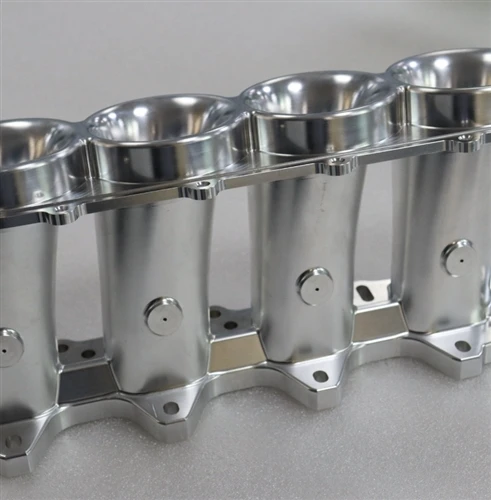
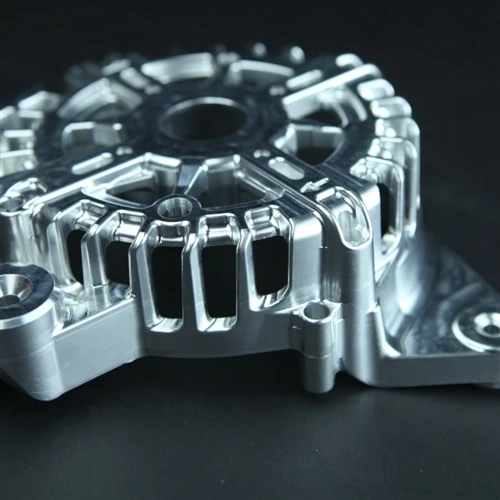
CNC machining is widely used for mechanical components in robotics and automation equipment.
- Typical parts include:
- Robot joint housings
- Arm links and brackets
- Motor housings
- Shafts and bushings
- Flanges
- End-effector and gripper components
- Robot chassis parts
- Mounting plates and structural components
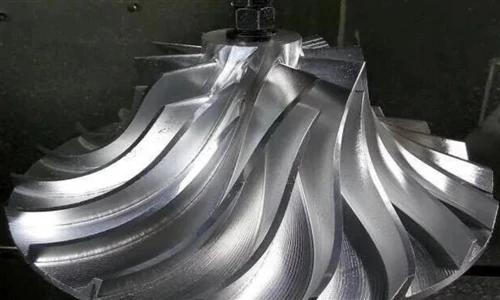
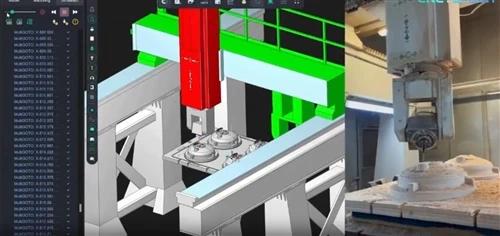
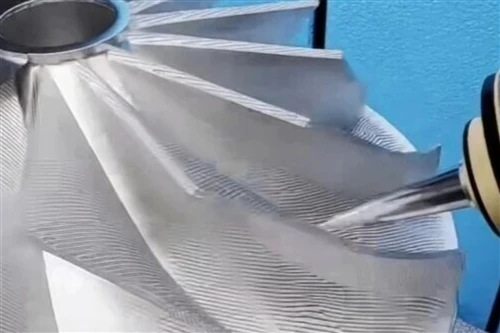
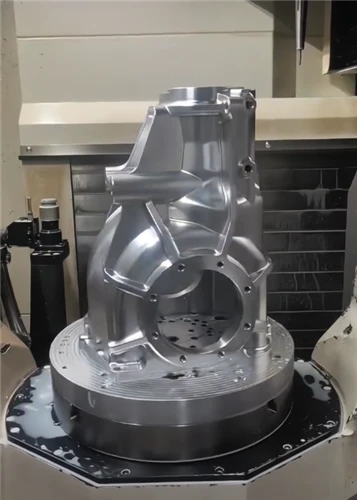
For complex robot components, 5-axis CNC machining can help machine features on multiple surfaces while reducing the need for repeated setups.
2. Aerospace and Drone Components
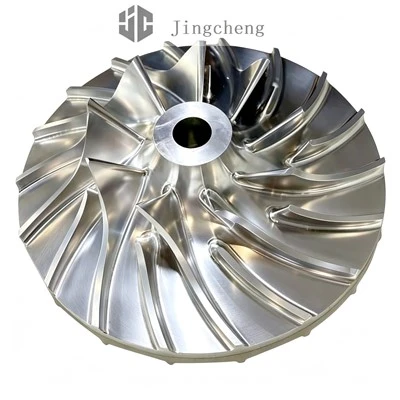
CNC machining is suitable for aerospace and drone parts where lightweight structures and accurate machining are important.
Common examples include aluminum brackets, structural connectors, housings, mounting components, shafts and other custom mechanical parts.
Aluminum alloys such as 6061 and 7075 are often selected when a good strength-to-weight ratio is required. Titanium and stainless steel can also be machined when the application requires different mechanical or environmental properties.
3. Medical Device Components
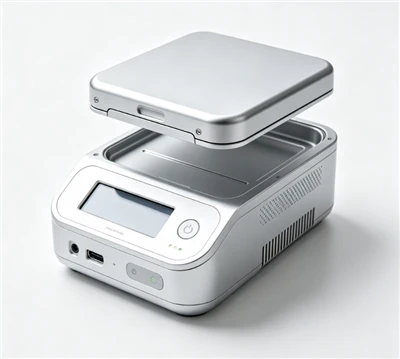
Medical equipment often contains small, detailed mechanical parts that require consistent dimensions and good surface quality.
CNC machining can be used to manufacture:
- Medical equipment housings
- Instrument components
- Surgical tool components
- Positioning and support parts
- Small stainless steel parts
- Prototype components for medical devices
Material selection, drawing requirements, surface finish and inspection requirements should be confirmed before production, especially for parts used in regulated medical applications.

4. Automotive and Mechanical Parts
CNC machining can produce many custom components used in vehicles and mechanical equipment.
Examples include:
- Brackets
- Hubs
- Shafts
- Bushings
- Flanges
- Covers and housings
- Mounting components
- Custom transmission and mechanical parts
CNC turning is useful for round components, while CNC milling is commonly used for blocks, plates, housings and parts with pockets or multiple machining features.
5. Industrial Equipment and Automation Components
Many machines require custom parts that are not available as standard components. CNC machining allows these parts to be manufactured directly from engineering drawings or 3D CAD models.
Typical products include machine brackets, fixtures, mounting plates, guide components, housings, connectors and other precision mechanical parts.
This makes CNC machining particularly useful for equipment development, replacement parts and low-volume manufacturing.

6. Consumer Electronics and Product Housings
CNC machining can also be used to make functional and cosmetic components for electronic and consumer products.
Examples include aluminum housings, heat sinks, panels, knobs, frames, camera components and prototype enclosures.
For these parts, the machining process may be combined with surface finishing such as anodizing, polishing or other treatments depending on the required appearance and application.
7. Prototypes and Custom One-Off Parts
One of the major advantages of CNC machining is its flexibility. A customer does not always need to order thousands of pieces.
CNC machining can be used for:
- Functional prototypes
- Engineering samples
- Assembly validation parts
- Custom replacement parts
- Research and development components
- Low-volume production
A part can be manufactured directly from a 3D CAD model and technical drawing without creating a dedicated production mold, making CNC a practical option for many development projects.
What Materials Can CNC Machines Process?
CNC machining is compatible with many engineering materials. Common choices include:
- Aluminum: 6061, 7075 and other aluminum alloys
- Stainless steel: 304, 316, 420, 440A and other grades depending on the application
- Titanium: including titanium alloys used for demanding mechanical applications
- Engineering plastics: POM and other machinable plastics
The appropriate material depends on strength, weight, corrosion resistance, wear resistance, temperature and other application requirements.
Can Your Part Be CNC Machined?
Not every design should be manufactured in exactly the same way. Part geometry, wall thickness, hole depth, internal radii, tolerances and tool access all affect the machining process.
At Jingcheng, we provide 3-axis and 5-axis CNC machining for custom precision parts. Our capabilities cover robot components, medical device parts, aerospace and drone components, automation parts, housings, brackets, shafts and other custom mechanical components.
If you already have a 3D CAD model or 2D drawing, send it to us for a manufacturing review. We can evaluate the machining process, material, critical features and DFM considerations before production.