Why 5-Axis CNC Is Suitable for Foam Molds
Complex foam molds often have large curved surfaces that need to be machined smoothly and consistently. With 3-axis machining, the workpiece may need to be repositioned several times to reach different areas. Each additional setup increases machining time and creates another opportunity for alignment variation.
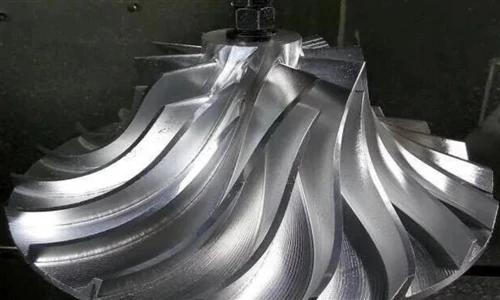
A 5-axis CNC machine can change the cutting tool orientation while machining. This allows the cutter to approach curved and angled surfaces from more suitable directions, reducing the need for repeated setups.
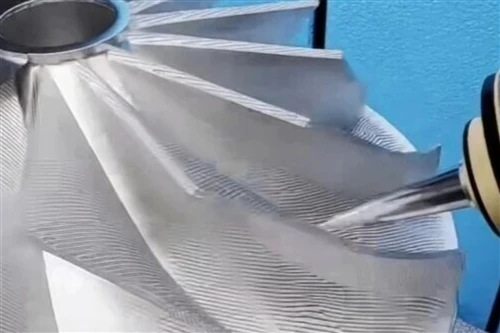
Better Surface Quality on Complex Curves
Tool orientation is particularly important when machining foam mold surfaces. Keeping the cutting tool at an appropriate angle can improve cutting stability and help produce a more consistent surface.
For molds used to create visible product surfaces, reducing machining marks can also decrease the amount of manual finishing required after CNC machining.
Tool Access and Deep Cavities
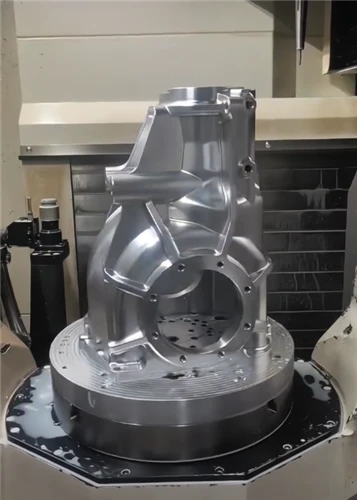
Some foam molds include narrow areas, deep cavities and difficult-to-reach features. Conventional machining may require long tools or multiple setups, which can increase vibration and affect surface quality.
5-axis machining provides additional flexibility for tool access. Engineers can optimize the machining direction according to the mold geometry, cutting tool and workholding method.
From CAD Model to Finished Mold
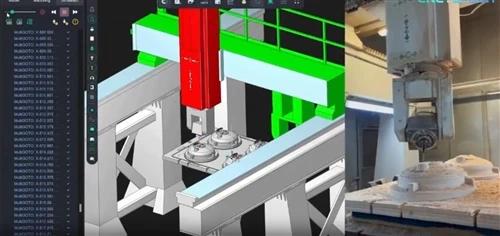
A typical project starts with a 3D CAD model. Before machining, the geometry is reviewed to determine suitable machining orientations, tool access, workholding and finishing requirements.
CAM programming is then used to generate toolpaths for roughing, semi-finishing and finishing operations. After machining, the mold can be inspected and further finished according to the application requirements.
5-Axis CNC Machining at Jingcheng
Jingcheng provides 3-axis and 5-axis CNC machining for complex custom components, prototypes and low-volume production. Our team can work from customer-supplied CAD models and technical drawings and provide manufacturing feedback before machining.
For complex foam molds and other curved components, the machining strategy is selected according to the geometry, material, surface requirements and production volume.
Send us your 3D CAD file to discuss your foam mold machining requirements.