Common Types of 3D Printing Materials
3D printing materials can generally be divided into several categories, including polymers, engineering plastics, composite materials, metals, and other specialized materials.
For prototype and functional part production, polymer-based materials are widely used because they offer a combination of processing flexibility, lightweight construction, and relatively fast production.
Common options may include:
PLA
ABS
Nylon
PC
PETG
TPU
PEEK
Carbon fiber reinforced materials
The appropriate material depends on the required mechanical and environmental performance of the part.
Engineering Plastics for Functional Parts
Engineering plastics can be selected when a printed component needs better mechanical or thermal performance than standard prototyping materials.
For example, Nylon can provide a useful balance of strength and toughness, while PC is often considered for applications requiring higher impact resistance.
For demanding applications, materials such as PEEK can offer high temperature resistance, chemical resistance, and mechanical performance. Material selection should always be based on the actual application and printing process.
Carbon Fiber Reinforced 3D Printing
Carbon fiber reinforced materials are increasingly used when a printed component needs greater stiffness while maintaining relatively low weight.
Carbon fiber can be combined with polymer materials to improve rigidity and dimensional stability in suitable applications.
These materials may be considered for components used in robotics, automation, drones, automotive development, and other lightweight engineering applications.
However, carbon fiber reinforced materials can behave differently during printing and post-processing, so the printing parameters and part design need to be considered carefully.
3D Printing for Aerospace and Robotics
The ability to manufacture complex geometries and lightweight structures makes 3D printing useful during the development of aerospace, drone, and robotic products.
Typical applications can include:
Lightweight brackets
Covers and housings
Cable management components
Fixtures
Airflow-related prototypes
Robot components
Functional prototypes
Complex custom parts
For these applications, engineers need to consider more than simply reducing weight. Strength, temperature, vibration, chemical exposure, dimensional stability, and the intended service environment should also be evaluated.
How to Choose a 3D Printing Material?
Before selecting a material, consider the following factors:
Required strength and stiffness
Operating temperature
Chemical exposure
Impact resistance
Flexibility
Weight requirements
Surface appearance
Dimensional requirements
Prototype or functional application
A material that works well for an appearance prototype may not be suitable for a functional component. Similarly, a material designed for high-temperature applications may not be necessary for a simple visual model.
3D Printing and CNC Machining
3D printing and CNC machining can serve different purposes during product development.
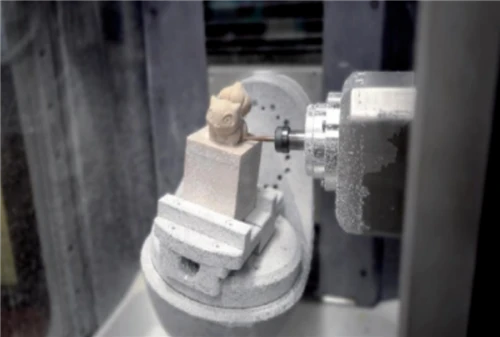
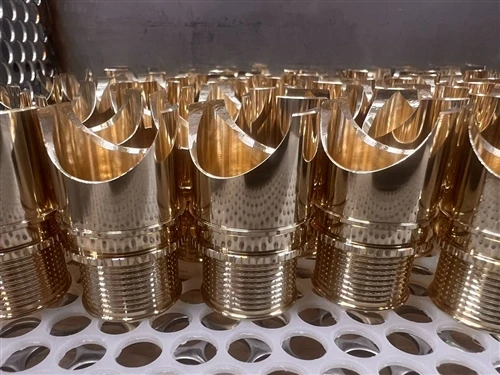
3D printing is particularly useful for rapid prototypes, complex geometries, design verification, and quick iterations. CNC machining can be selected when a project requires machined metal or engineering plastic parts, tighter dimensional control, or specific surface finishes.
In some projects, both processes can be used at different development stages.
3D Printing Services at Jingcheng
Jingcheng provides 3D printing and CNC machining services for prototypes and low-volume manufacturing.
Our team can review your CAD model and consider the required material, geometry, tolerance, application, and production quantity when selecting a suitable manufacturing method.
If you are developing a new product and are unsure whether 3D printing, CNC machining, or a combination of both is appropriate, send us your 3D CAD file or technical drawing for review.