


What Is a Chamfer?
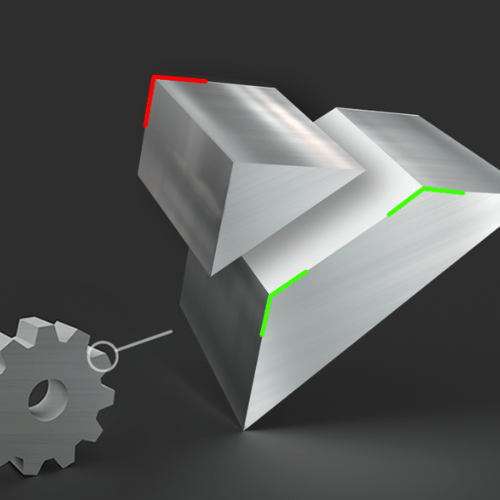
A chamfer is a small angled surface created by removing the sharp edge of a part. It is usually made at 45°, although other angles can also be specified.
Chamfers are commonly used to:
Remove sharp edges and improve safety
Make assembly easier
Reduce the risk of edge damage
Improve the appearance of machined parts
Prepare edges for fasteners or other components
For example, a drawing may specify a 1 × 45° chamfer, meaning a 1 mm edge is removed at a 45° angle.
What Is a Bevel?
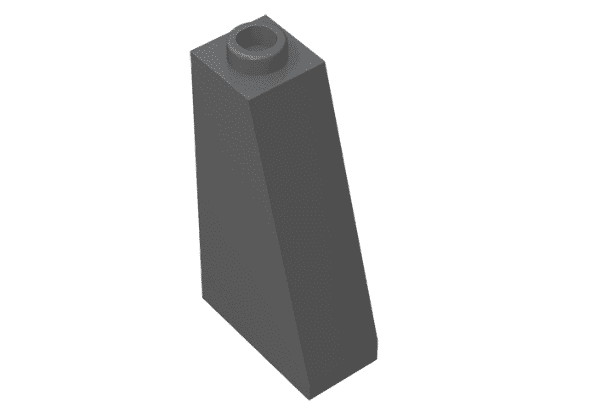
A bevel is an angled surface or edge that is usually created to achieve a specific functional purpose. Unlike a small chamfer, a bevel can be much larger and may extend across a significant portion of a part.
Bevels are often used for:
Welding preparation
Creating angled mating surfaces
Reducing material weight
Providing clearance between components
Creating specific functional or structural angles
For example, a metal plate may have a 30° bevel along one side to prepare the edge for welding.
Bevel vs. Chamfer in CNC Machining
| Feature | Chamfer | Bevel |
|---|---|---|
| Typical purpose | Edge breaking and assembly | Function, fit, or welding |
| Size | Usually small | Can be larger |
| Common angle | 45° | Various angles |
| Location | Usually along sharp edges | May cover a larger surface |
| CNC machining | Very common | Common for specific designs |
In CNC machining, the correct interpretation should always follow the technical drawing and design requirements. If an edge angle, width, or tolerance is important, specifying it clearly helps avoid misunderstandings during production.
At Jingcheng, we can machine chamfers and angled bevels on prototypes and low-volume CNC parts according to your drawings and 3D models. For complex angled features, our 3-axis and 5-axis CNC machining capabilities can provide additional flexibility.


