The robotics industry is developing rapidly, and the competitive advantage of a robotics company may not always come from the robot hardware itself.
As robotics hardware becomes increasingly standardized and accessible, companies are looking for other ways to build long-term advantages. One important factor is data.
A recent discussion with Felipe Chavez Cortes, CEO of Robot.com, highlighted an interesting approach to building a competitive moat in robotics. Rather than manufacturing its own robot chassis or developing a foundation model, Robot.com focuses on customer deployments, operational data, and the software infrastructure that connects different methods of robot control.
This approach allows robots to enter real-world environments before they achieve full autonomy. Operations can be handled through AI models, programmed logic, or human teleoperation when necessary.
For robotics companies, real-world deployment can generate valuable data that helps improve robot performance and autonomy over time. The faster a company can deploy robots, collect operational data, and improve its system, the faster its competitive advantage can potentially grow.
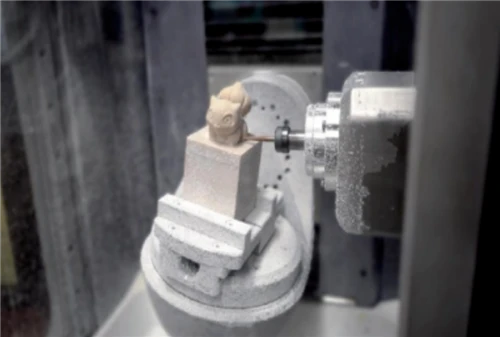
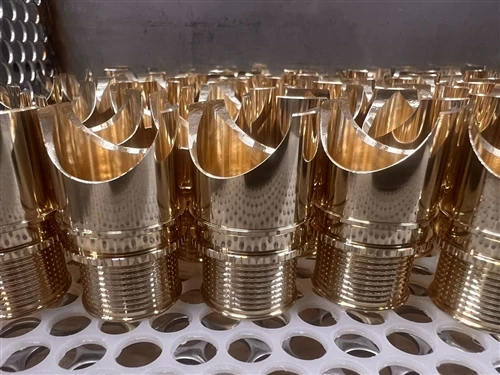
At the same time, reliable robot hardware and precision robot components remain essential to successful deployment. CNC-machined robot arms, joints, brackets, housings, shafts, and structural components provide the mechanical foundation for robotic systems.
As robotics continues to mature, the strongest competitive advantage may come from the combination of robot hardware, software, real-world data, and deployment experience.
For robot developers, choosing reliable manufacturing partners for custom robot parts can also help accelerate prototyping and production.