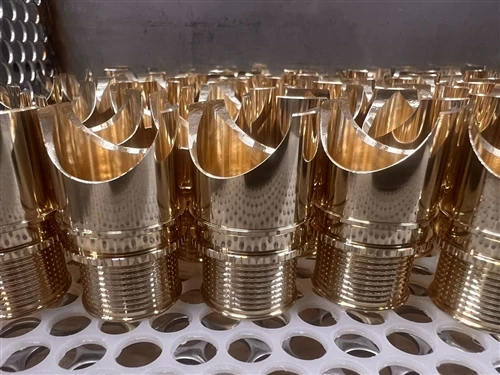
Precision Machining for Complex Medical Parts
Medical components can have curved surfaces, small features, deep cavities and tight dimensional requirements. These designs can be challenging to manufacture with conventional machining methods.
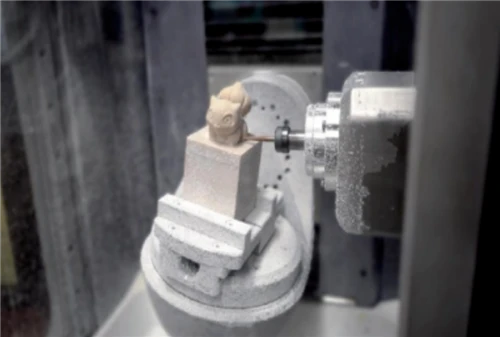
Jingcheng Precision uses 3-axis and 5-axis CNC machining according to the geometry and requirements of each component.
5-axis machining can be useful for parts with multiple angled surfaces and complex three-dimensional features. By accessing several sides of a component with fewer setups, it can help maintain the positional relationship between different features and reduce unnecessary machining operations.
The company has experience machining stainless steel, titanium and other engineering materials for customized medical-related components.
Material Selection Matters
Different medical components require different material properties.
Titanium alloys can be considered when low weight, strength and corrosion resistance are important. Stainless steel is widely used for various precision components because of its mechanical properties and corrosion resistance. Engineering plastics such as PEEK may also be suitable for applications requiring a combination of low weight, chemical resistance and specific mechanical properties.
Jingcheng can review the customer's material specification and drawing before production to help identify potential manufacturing issues.
Quality Control from Material to Finished Part
For precision medical components, quality control should start before machining.
Depending on customer requirements, the manufacturing process can include drawing review, material verification, in-process inspection and final dimensional inspection. Jingcheng has measurement equipment and inspection processes for checking critical dimensions, tolerances and other specified requirements.
For projects requiring additional documentation, inspection requirements can be discussed before production so that the quality expectations are clear from the beginning.
More Than Just CNC Machining
One of the common challenges for overseas medical companies is deciding how a component should actually be manufactured.
CNC machining may be suitable for prototypes and low-volume parts, while MIM, forging, casting or other processes may become more appropriate depending on geometry, material and production quantity.
Jingcheng Precision also has experience with titanium MIM, allowing customers to consider different manufacturing routes instead of automatically choosing CNC machining for every part.
If you already have a drawing or 3D CAD model but are not sure whether CNC machining, titanium MIM or another process is suitable, you can send the design to our team for review.
We can evaluate the geometry, material, tolerances and expected quantity, then discuss a suitable manufacturing approach with you before quotation.
Your Medical Manufacturing Partner in China
From a single customized component to low-volume production, Jingcheng Precision focuses on practical manufacturing solutions rather than simply machining the drawing as provided.
Have a medical component that needs to be manufactured? Send us your drawing or 3D CAD file and let our engineering team review the project.