Breaking New Ground in Transducer Technology
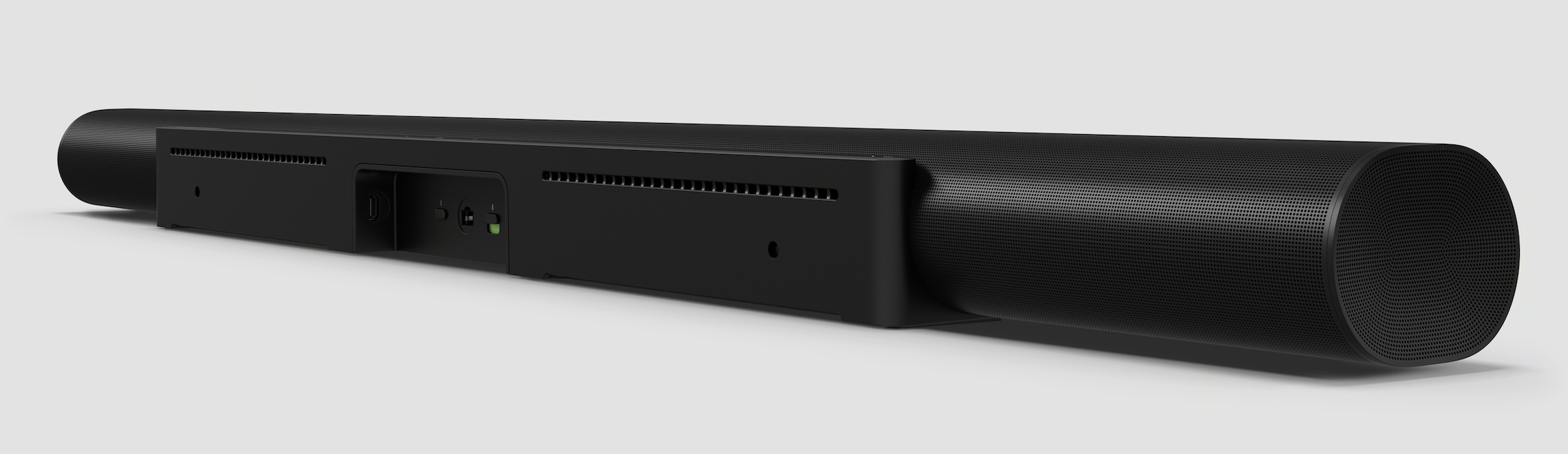
Sonos, the renowned leader in home audio innovation, has redefined sound with their latest product, Arc Ultra-the first consumer device to incorporate the groundbreaking Sound Motion™ technology. The achievement means a monumental leap in audio performance, delivering twice the bass of its predecessor while creating a slimmer, more refined design.
Accelerated Prototyping with High-Fidelity Results
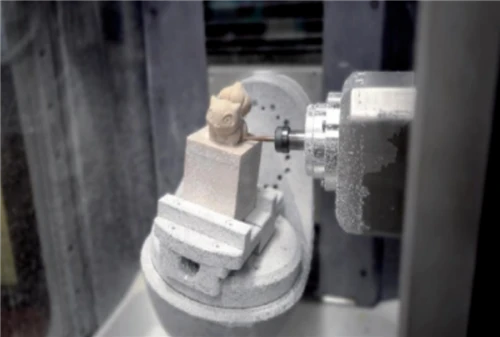
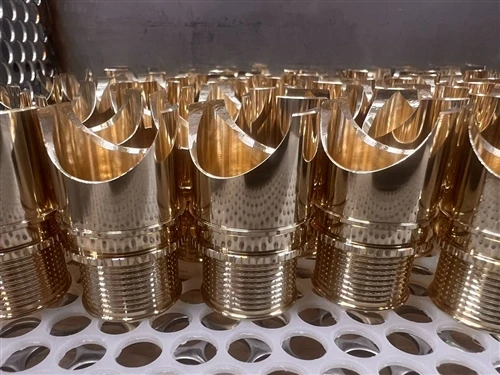
The challenge for Sonos was clear: incorporate a unique transducer suspension system and reduce the product's overall size while enhancing sound quality. Leveraging Protolabs' expertise across 3D printing, CNC machining, and Injection Molding, Sonos developed and tested numerous high-fidelity prototypes.
"Jingcheng gave us early prototypes that we could configure and test in real-world conditions. This allowed us to move from idea to execution rapidly and confidently," said Lars Wouterse, Senior Hardware Development Engineer at Sonos. "Their speed and reliability helped us push the boundaries of what's possible."
Jingcheng' DFM (Design for Manufacturability) analysis system enabled quick design iterations, aligning perfectly with Sonos' experiment boldly ethos, of testing radical architectures and designs to push the boundaries of sound. Initial designs were 3D printed using Multi Jet Fusion (MJF) for flexibility. Protolabs held an interactive training discussion at Sonos' facility to ensure their engineers got the full potential from the additive technologies available. As the project progressed, high-fidelity prototypes were produced via injection molding. This iterative process allowed Sonos to refine the intricate design of the spider-a key component of the Sound Motion transducer.
Pushing the Boundaries of Sound Engineering
The Arc Ultra project represents the most significant advancement in transducer technology in over a century. Sonos has set the stage for future iterations, driven by continuous innovation and rapid prototyping.
"Jingcheng' ability to deliver high-quality parts early in the process amplified Sonos' commitment to fast iteration, allowing them to develop a truly revolutionary product," said Shay Mason, Account Manager, Protolabs. "Working closely with the Sonos team has been a true pleasure, and being part of an innovative project that personally interests me has been an additional bonus. I have thoroughly enjoyed being part of this partnership and seeing how well the Protolabs offering has aligned with their team and project requirements - And how at times, the Sonos team pushed our manufacturing capabilities beyond their limits and had successful results."
|
|

|
|

|
|

Innovative Transducer Design: A Game-Changer
Traditional transducers use fabric material for the spider, but Sonos opted for a high-performance polymer, allowing for thinner, more compact designs. The result: a dedicated Sound Motion driver that replaces eight traditional woofers, delivering deeper bass without sacrificing clarity. Arc Ultra now features 14 transducers, compared to 11 in the previous Arc, including a more sophisticated three-way system with a dedicated Sound Motion™ woofer, midrange drivers and tweeters.
"The collaboration with Jingcheng helped us achieve an immersive sound experience without compromising on design or space," said Naphur van Apeldoorn. "Their rapid prototyping capability ensured we could test assembly and performance early, an invaluable asset in such a complex project."