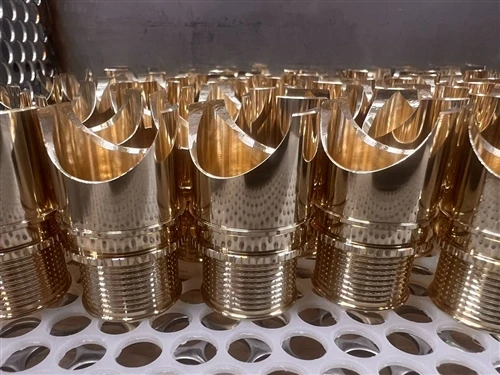
5-Axis CNC Machining Advances for Medical and Precision Parts
As medical devices and precision equipment become smaller and more complex, manufacturers are facing increasing demands for machining accuracy, repeatability, and flexible production.
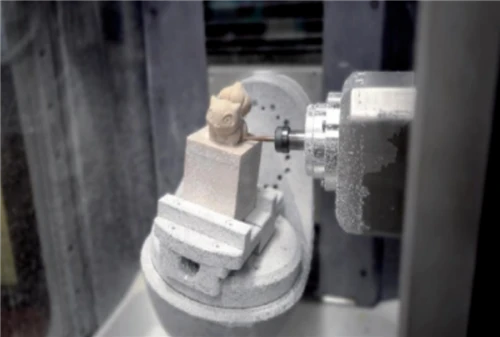
Recent developments in 5-axis machining technology are helping manufacturers produce complex components with fewer setups while maintaining tighter control over dimensional accuracy. This trend is particularly relevant to medical devices, optical components, robotics, and other precision applications.
Why 5-Axis Machining Matters for Medical Components
Medical components often contain angled surfaces, complex contours, small features, and multiple critical dimensions. Machining these features with several separate setups can increase positioning errors and production time.
5-axis CNC machining allows multiple surfaces and features to be accessed in a single setup. This can help reduce repositioning and improve the consistency between different features.
For medical components, this can be especially useful when dimensional accuracy and repeatable production are important.
Growing Demand for Complex Precision Parts
The development of surgical equipment, medical devices, robotics, and advanced industrial systems is creating demand for smaller and more complex components.
Typical CNC machined components may include:
Medical device housings
Surgical instrument components
Implant-related components
Precision brackets
Small mechanical housings
Robot joint components
Optical and automation components
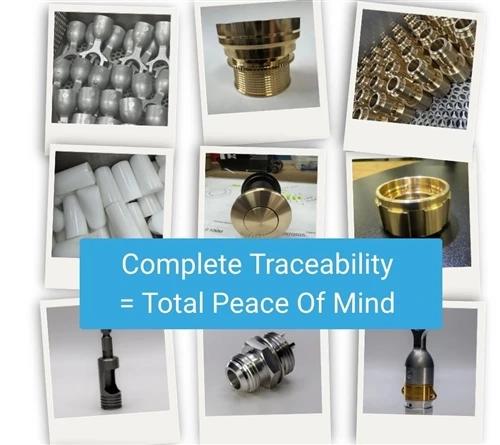
Many of these parts require careful control of dimensions, surface finish, material selection, and inspection.
From Prototype to Low-Volume Production
Medical and precision equipment manufacturers often need relatively small quantities during product development and validation.
Instead of moving directly into mass production, companies may require:
Prototype → Functional Testing → Design Validation → Pilot Batch → Low-Volume Production
Flexible CNC machining is well suited to this type of development cycle.
3-axis machining can handle many conventional components, while 5-axis machining provides additional flexibility for parts with complex geometries and multiple machining orientations.
Materials Also Matter
Medical and precision components can require different materials depending on their application.
Common choices include:
Aluminum
Stainless steel
Titanium
Engineering plastics
Stainless steel and titanium can be selected for applications requiring strength, corrosion resistance, or demanding operating conditions. Aluminum is widely used where lightweight construction is important.
The appropriate machining process should be selected together with the material, geometry, tolerance, quantity, and application requirements.
Precision Requires More Than a CNC Machine
Achieving consistent results depends on the entire manufacturing process.
A typical precision machining workflow includes:
Drawing Review → Process Planning → CNC Machining → Deburring & Finishing → Dimensional Inspection → Final QC
Tool selection, workholding, machining parameters, setup strategy, and inspection all contribute to the final quality of a component.
For complex parts, reducing the number of setups can also help improve consistency between critical features.
Jingcheng Precision for Medical and Precision CNC Parts
Jingcheng Precision provides 3-axis and 5-axis CNC machining for prototypes and low-volume production.
Our machining capabilities cover aluminum, stainless steel, titanium, and engineering plastics, with additional processes including milling, drilling, grinding, and wire cutting.
We have experience supporting medical applications, including artificial heart stent components and other precision components used in implantable medical devices.
For customers developing new medical, robotic, or precision products, our team can review 2D drawings, 3D CAD models, or STEP files and evaluate the appropriate machining process.
Looking Ahead
As medical devices and precision equipment continue to evolve, manufacturing partners will need to provide more than basic CNC capacity.
Flexible machining, 5-axis technology, process engineering, and reliable inspection will become increasingly important for producing complex components in small and medium quantities.
For companies developing new precision products, selecting the right manufacturing process early can help reduce unnecessary setups, control production costs, and improve part consistency.
Need precision CNC machined parts for a medical device, robotics project, or new product? Send your drawings or STEP files to Jingcheng Precision for a machining review and quotation.