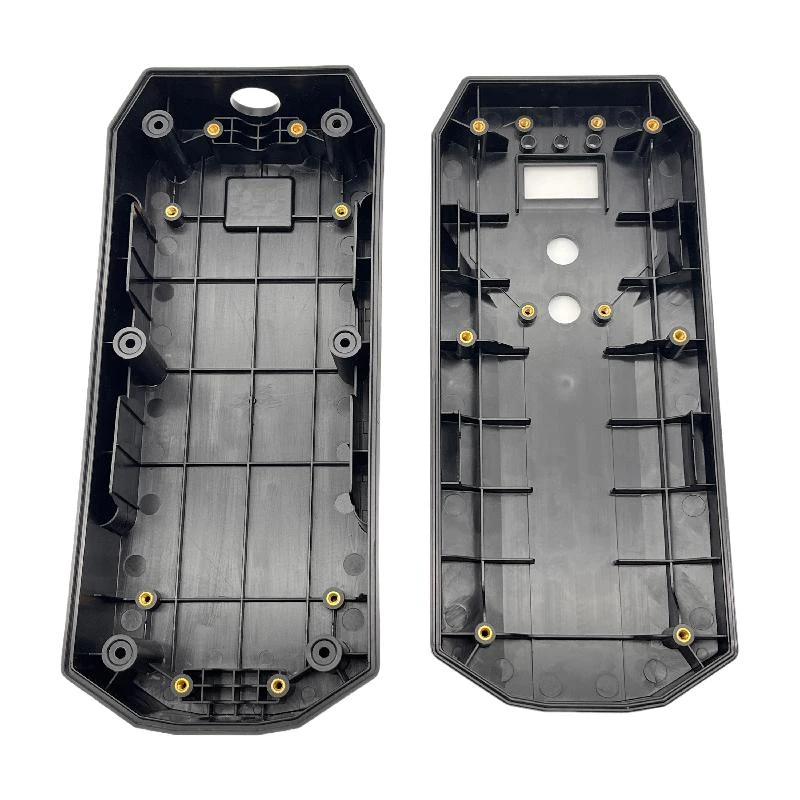
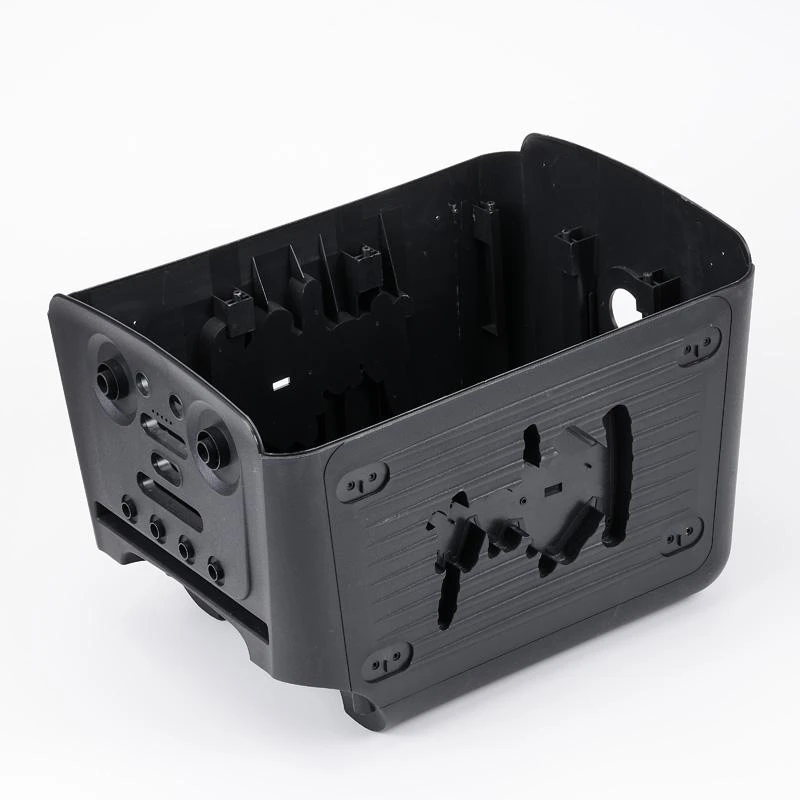
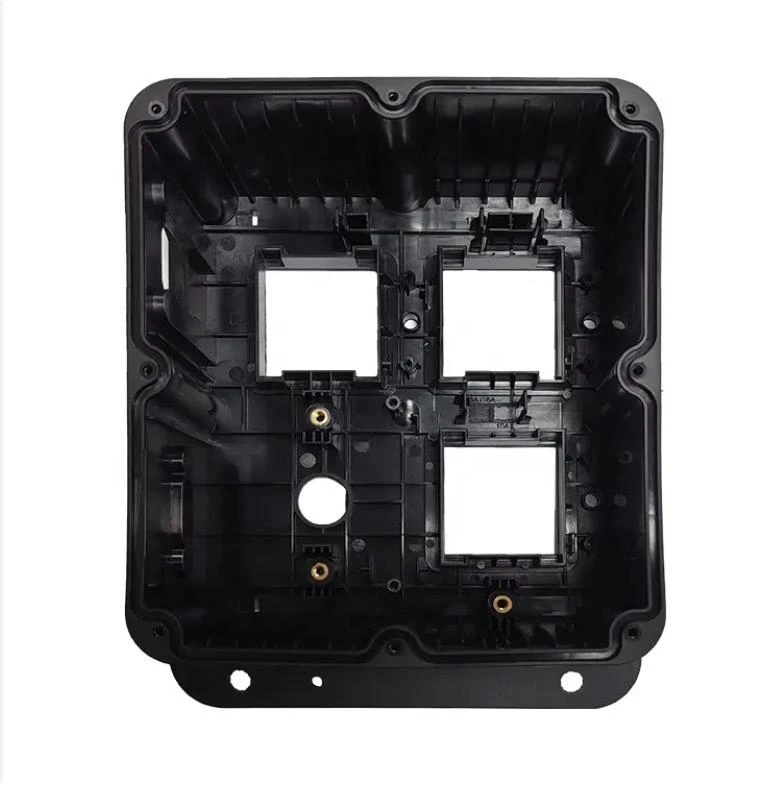
Shenzhen Jingcheng Dingyi Forming Technology Co., Ltd. is one of the leading manufacturers and suppliers of injection molded enclosures in China, specialized in providing high quality customized products. If you're going to buy bulk cheap injection molded enclosures, welcome to get quotation from our factory. Quality products and low price are available.
Built Around the Electronics Inside
A good enclosure starts with the internal components.
The housing may need to accommodate a PCB, battery, connector, display, switch, cable, sensor, or other components while maintaining the required clearances and mounting positions.
Common enclosure features include:
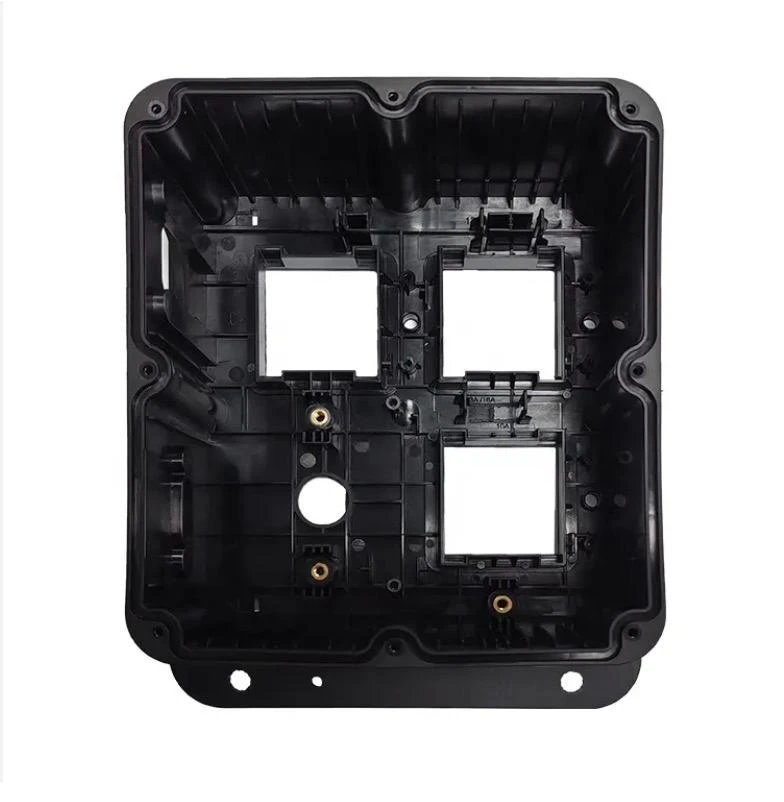
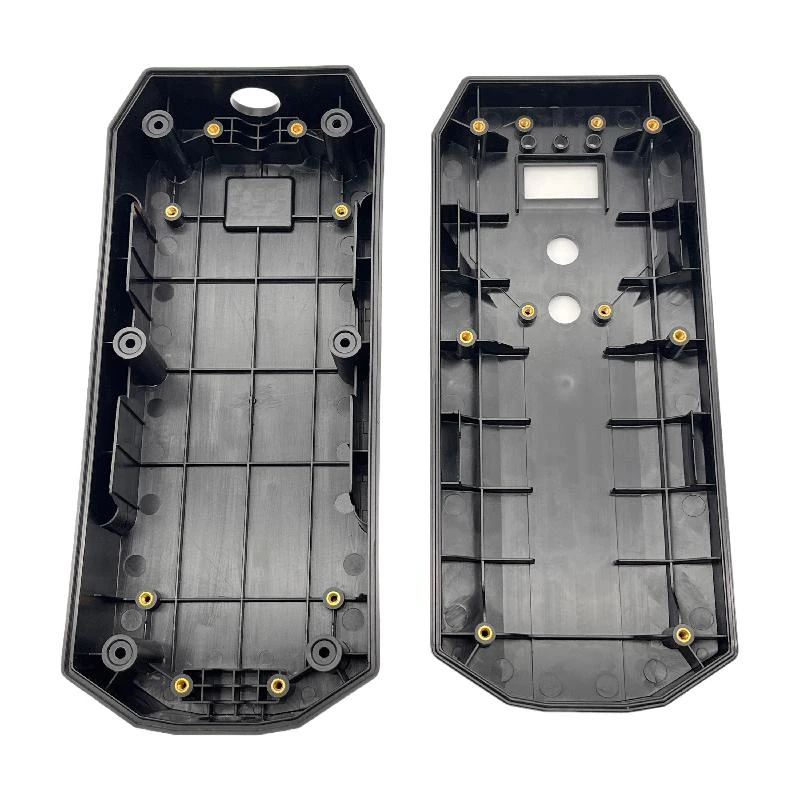
- PCB mounting bosses
- Screw posts and threaded inserts
- Snap-fit connections
- Cable entry points
- Connector openings
- Ventilation features
- Display and button cutouts
- Internal ribs and supports
- Locating pins
- Sealing grooves
- External mounting brackets
These features can be incorporated into the molded design instead of being added as separate components.
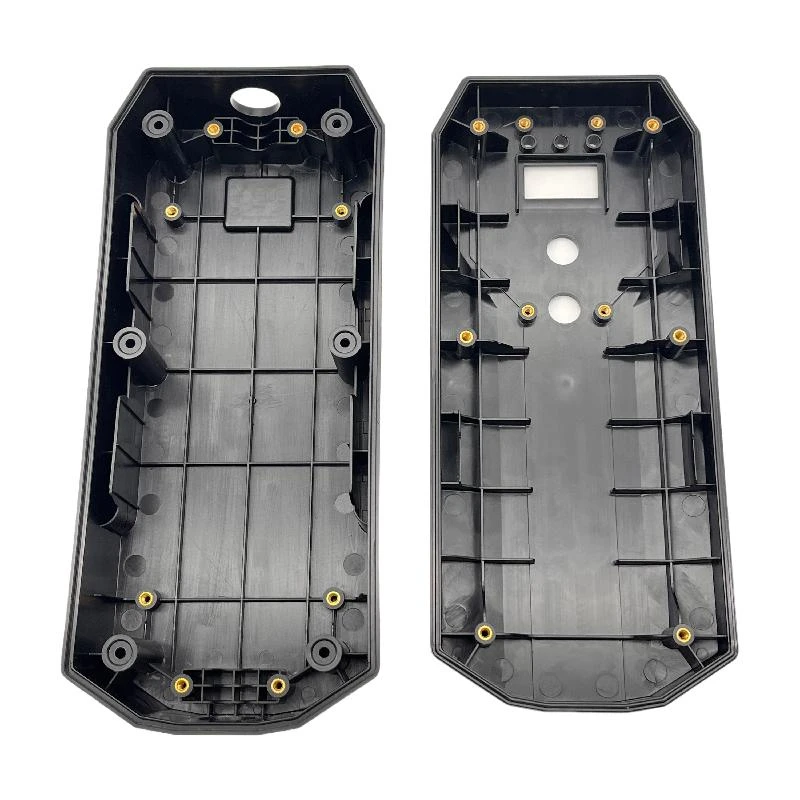
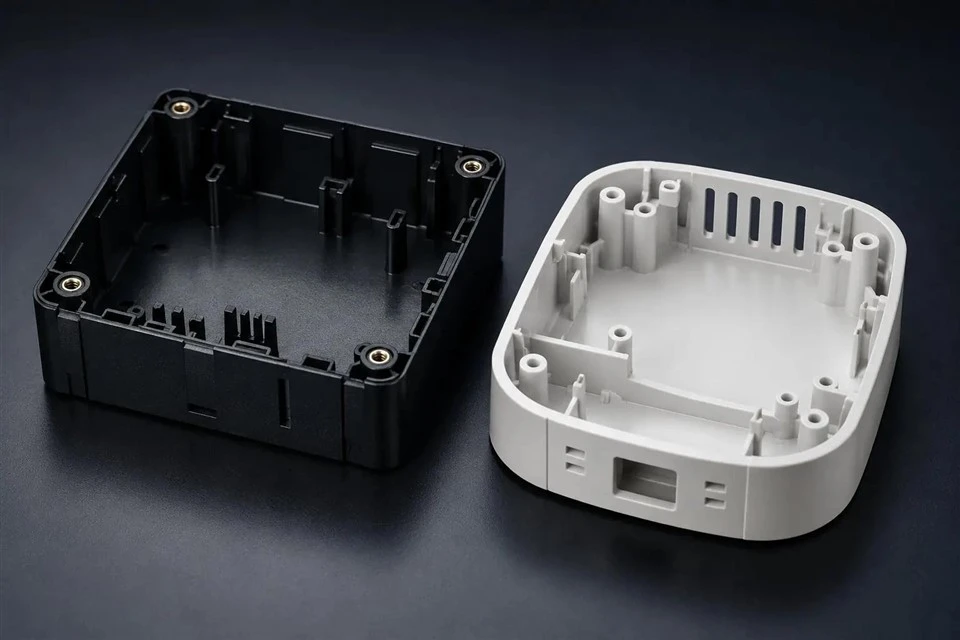
Two Halves, One Assembly
Many electronic enclosures consist of a top cover and bottom housing, although the exact structure depends on the product.
The two parts may be connected using:
Screws - convenient for products requiring repeated opening and maintenance.
Snap Fits - useful when fast tool-free assembly is preferred.
Ultrasonic Welding - suitable when a more permanent joint is required.
Heat Staking - commonly used for joining plastic components to internal parts.
Threaded Inserts - useful where repeated fastening or greater thread strength is required.
The connection method should be considered together with the enclosure geometry and expected service conditions.
Design Details That Affect the Mold
Plastic housings often contain many small structural features that can influence both tooling and molding results.
Wall Thickness
Large variations in wall thickness can contribute to sink marks, warpage, and uneven cooling. Keeping the structure reasonably consistent can improve molding stability.
Draft Angles
Draft allows the molded part to release from the mold without damaging the enclosure or its surface.
Ribs and Bosses
Ribs provide additional stiffness without simply making the entire wall thicker. Bosses can provide mounting locations for screws, inserts, or internal components.
Parting Line
The position of the mold parting line affects appearance, assembly, and tooling complexity. For visible housings, it is often important to place it where it has minimal impact on the finished product.
Gates and Ejection
Gate and ejector locations can influence surface appearance and dimensional stability. These details should be considered during mold design rather than after production begins.
Protection Beyond the Housing
The enclosure may need to protect sensitive electronics from more than physical impact.
Depending on the application, the design may need to address:
Dust
Moisture
Heat
Vibration
Chemical exposure
Electromagnetic interference
Accidental impact
Outdoor operating conditions
For sealed products, the enclosure design may incorporate gaskets, sealing grooves, overlapping joints, or other protective features.
The required protection level should be defined by the actual operating environment and product specification.
Choosing the Right Plastic
Material selection depends on what the enclosure needs to withstand.
For example, an enclosure used around heat-generating electronics may require better thermal resistance, while a handheld device may place greater emphasis on impact resistance and surface appearance.
Factors to consider include:
Impact resistance · Heat resistance · Chemical resistance · Flame resistance · Electrical insulation · UV resistance · Dimensional stability · Surface appearance
Common engineering plastics can include ABS, PC, PC/ABS, PA, PBT, and other application-specific materials.
When Appearance Matters
Electronic housings are often part of the product that the end user sees and touches.
Depending on the design, the molded enclosure can be produced with different surface requirements, such as:
Smooth surfaces
Textured finishes
Gloss or matte appearance
Molded-in logos or markings
Custom colors
Post-molding printing or finishing
For appearance-critical parts, the required surface finish should be specified before mold manufacturing.
From CAD File to Finished Housing
A typical project does not begin with cutting steel immediately.
The design can first be reviewed for:
Component fit → Wall thickness → Draft → Ribs and bosses → Parting line → Gate location → Ejection → Assembly method
After the design is confirmed, the mold can be manufactured and trial parts produced for dimensional and functional evaluation.
This review is particularly useful when the enclosure contains many internal mounting features or needs to mate precisely with another housing component.
Typical Applications
Injection molded enclosures can be used for:
Industrial controllers
Protect control electronics, terminals, and communication components.
Sensors
Provide a compact housing around sensing and electronic elements.
IoT Devices
Combine PCB mounting, connectors, indicators, and battery compartments in one housing.
Consumer Electronics
Provide both structural protection and the external appearance of the finished product.
Automation Equipment
House controllers, interfaces, switches, and electronic modules in industrial environments.
Medical Equipment
Used for selected non-sterile device housings and electronic components according to project requirements.
Have an Enclosure to Manufacture?
Send us the 3D CAD model, 2D drawing, material requirement, and estimated quantity.
If the design is still being developed, we can also review the enclosure geometry and identify molding considerations before tooling.
Submit Your Enclosure Design for Review
Hot Tags: injection molded enclosures, China injection molded enclosures manufacturers