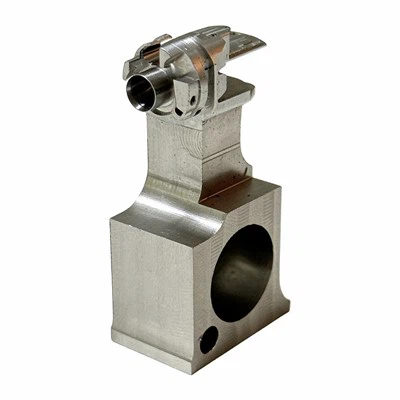
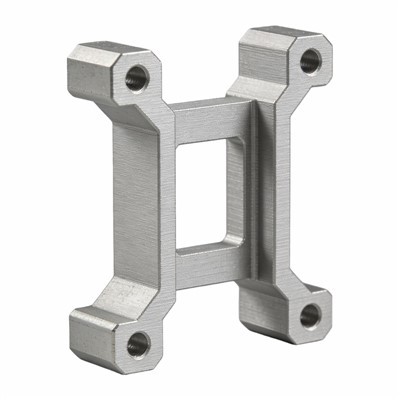
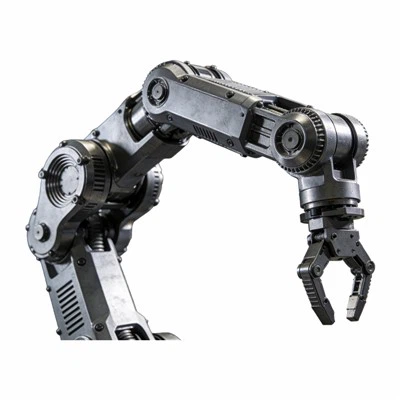
Yo, I'm a supplier of CNC Machining ABS Robot Parts. Today, I wanna chat about the impact of the tool's coating on CNC machining ABS robot parts. It's a topic that's super important in our line of work, and I've got some real - world insights to share.
First off, let's understand what tool coating is. Tool coating is like a protective shield for cutting tools used in CNC machining. It's applied on the surface of the tool to enhance its performance, durability, and overall efficiency. There are different types of coatings out there, such as titanium nitride (TiN), titanium carbon nitride (TiCN), and aluminum titanium nitride (AlTiN), each with its own set of properties.
1. Impact on Tool Life
When it comes to CNC machining ABS robot parts, tool life is a big deal. ABS is a thermoplastic polymer, and machining it can be a bit tricky. Without a proper tool coating, the cutting tools can wear out pretty quickly. The coating acts as a barrier between the tool and the ABS material.
For example, TiN - coated tools are known for their high hardness and low friction coefficient. This means that when the tool is in contact with the ABS during machining, there's less heat generated due to reduced friction. Less heat means less wear and tear on the tool. As a result, the tool can last much longer, which is a huge plus for us as suppliers. We don't have to replace tools as often, which saves both time and money.
Let me tell you, in our shop, we've seen a significant improvement in tool life since we started using coated tools for machining ABS robot parts. Before, we were constantly changing tools, which disrupted the production process. Now, with coated tools, we can run longer machining cycles without interruption, leading to higher productivity.
2. Surface Finish of ABS Robot Parts
The surface finish of ABS robot parts is crucial. These parts are often used in high - tech applications where smooth surfaces are necessary for proper functionality. The tool's coating plays a vital role in achieving a good surface finish.
Coated tools can cut through the ABS material more smoothly. Their low - friction properties prevent the material from sticking to the tool, which can cause rough spots on the part's surface. For instance, AlTiN - coated tools are great for achieving a high - quality surface finish. They can maintain a sharp cutting edge for a longer time, allowing for precise cuts and a smoother surface on the ABS robot parts.
In our experience, customers are really picky about the surface finish of the parts they order. A poor surface finish can lead to rejection, which is a headache for us. But by using coated tools, we've been able to meet the high - quality standards our customers expect. This has helped us build a good reputation in the market, and we've seen an increase in repeat orders.
3. Machining Speed and Efficiency
Another major impact of the tool's coating is on machining speed and efficiency. Coated tools can handle higher cutting speeds compared to uncoated ones. This is because the coating can withstand the heat generated during high - speed machining.
When machining ABS robot parts, we can increase the feed rate and cutting speed when using coated tools. This means we can produce more parts in less time. For example, with a TiCN - coated tool, we can push the machining parameters to the limit without worrying too much about tool damage.
In our production line, we've been able to reduce the machining time for each ABS robot part by a significant margin. This not only increases our production capacity but also allows us to offer more competitive prices to our customers. It's a win - win situation for both us and our clients.


4. Compatibility with ABS Material
The tool's coating needs to be compatible with the ABS material. Some coatings may react with the ABS, causing issues like discoloration or chemical changes in the material.
We've found that the best coatings for machining ABS are those that have a neutral chemical reaction with the material. For example, some specialized coatings are designed specifically for plastics and polymers like ABS. These coatings ensure that the integrity of the ABS material is maintained during machining.
We always test new coatings on a small batch of ABS parts before using them in large - scale production. This helps us avoid any potential problems and ensures that the final product meets the quality requirements.
Related Services
By the way, besides CNC machining ABS robot parts, we also offer other great services. If you're interested in metal machining, check out our Anodized Aluminum Machining Parts. We also have Carbon Fiber Machining for those looking for lightweight and strong parts. And for more general machining needs, our CNC Turning Milling Parts are top - notch. If you're in the automotive industry, we've got CNC Machining Plastic Auto Parts. Also, our 5 Axis CNC Service provides high - precision machining capabilities.
Conclusion
In conclusion, the tool's coating has a huge impact on CNC machining ABS robot parts. It affects tool life, surface finish, machining speed, and material compatibility. As a supplier, we've seen firsthand how the right coating can transform our production process and improve the quality of our products.
If you're in the market for CNC Machining ABS Robot Parts or any of our other services, don't hesitate to reach out. We're always ready to discuss your requirements and work together to create the best possible parts for your needs.
References
- Oxley, P. L. B. (2006). Metal cutting principles. Butterworth - Heinemann.
- Trent, E. M., & Wright, P. K. (2000). Metal cutting (4th ed.). Butterworth - Heinemann.