As a seasoned supplier of robot parts with years of industry experience, I've witnessed the remarkable evolution of robotics firsthand. The mechanical properties of robot parts are like the building blocks that determine a robot's functionality, durability, and overall success. In this blog, I'll delve into the key mechanical properties of various robot parts and explain why they matter.
Strength and Toughness
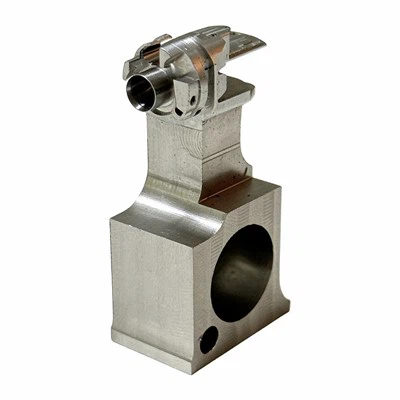
Strength and toughness are fundamental mechanical properties that ensure robot parts can withstand the forces and stresses they encounter during operation. For instance, a Stainless Steel Metal Robot Parts offers high strength, making it suitable for load - bearing components. Stainless steel is resistant to corrosion, which is crucial for robots operating in harsh environments. Its ability to maintain its integrity under heavy loads and in the face of chemical attacks is a testament to its excellent strength - to - weight ratio.
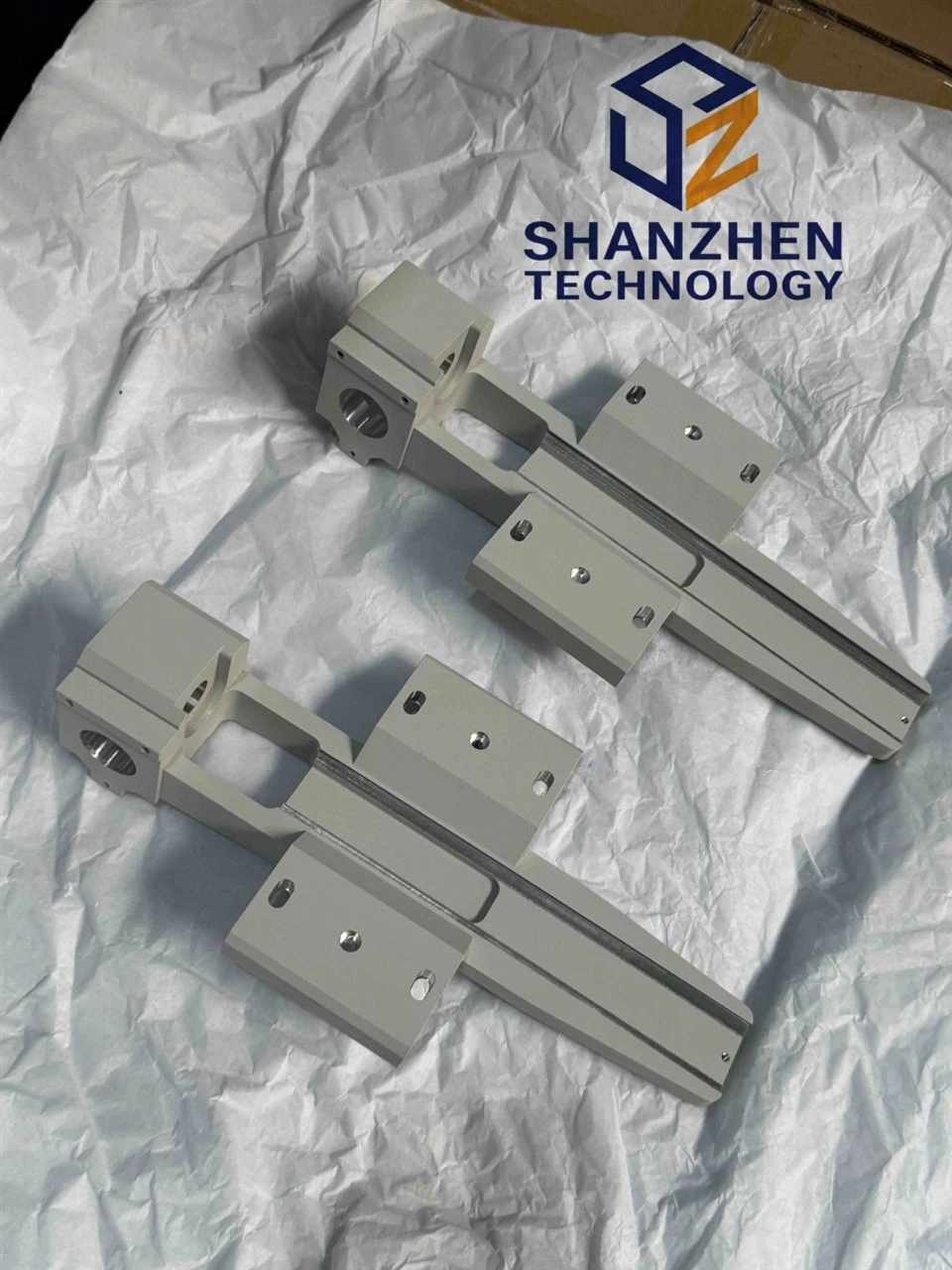
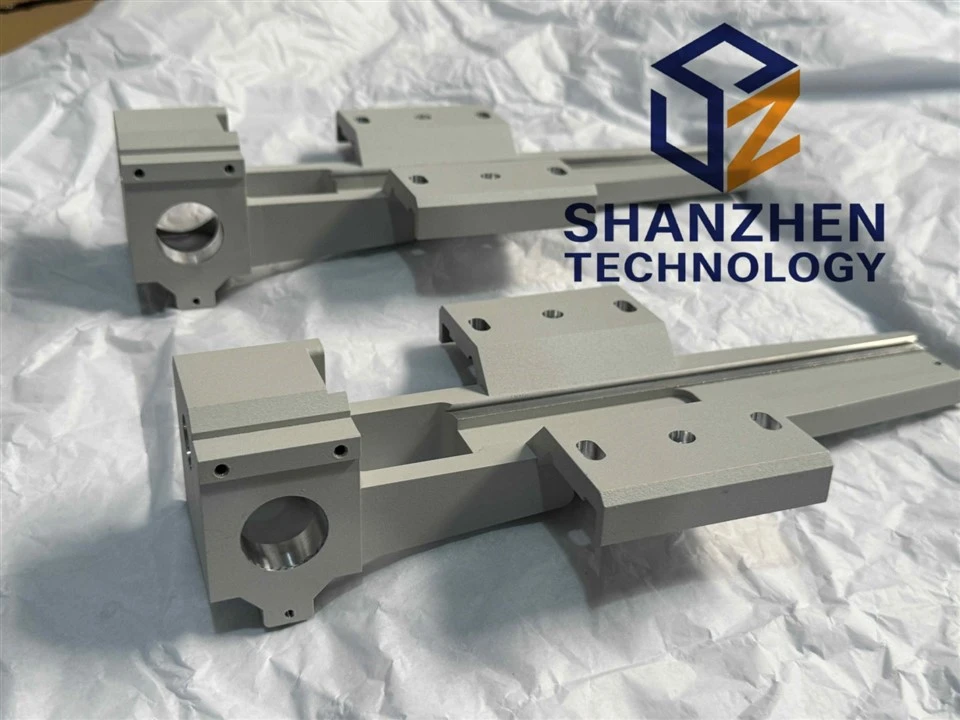
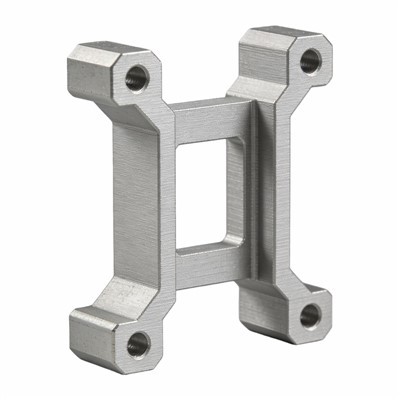
Toughness is equally important. A tough material can absorb energy when subjected to impact without fracturing. Consider the Robot Arm Bracket. This part needs to be tough enough to withstand sudden shocks, such as when the robot arm moves quickly or collides with an object. A brittle bracket would break easily, leading to costly repairs and downtime. By using materials with high toughness, we can ensure the reliability and longevity of the robot arm.
Hardness
Hardness is the resistance of a material to indentation, wear, and abrasion. In robot parts, hardness plays a vital role in maintaining the precision and accuracy of the robot's movements. For example, the gears in a robot's transmission system need to be hard to prevent wear over time. If the gears wear down, the robot's movements will become less precise, affecting its performance.
The Robot Arm Plastic Cover also benefits from a certain level of hardness. A harder plastic cover can protect the internal components of the robot arm from scratches and minor impacts. However, it's important to balance hardness with other properties such as flexibility, especially if the cover needs to conform to a specific shape.
Ductility
Ductility is the ability of a material to be deformed plastically under tensile stress without rupturing. In the context of robot parts, ductility is important for components that need to be shaped during manufacturing. For instance, the Aluminium Robot Chassis is often made from a ductile aluminium alloy. This allows the chassis to be formed into complex shapes through processes like extrusion and forging.
Ductility also plays a role in the robot's ability to adapt to different situations. If a part is ductile, it can deform slightly under abnormal loads without breaking. This can prevent catastrophic failures and allow the robot to continue operating in a limited capacity until repairs can be made.
Elasticity
Elasticity refers to a material's ability to return to its original shape after being deformed. Robot parts need to have good elasticity, especially those involved in the robot's movement. The Robot Shoulder Joint is a prime example. The joint needs to be elastic enough to allow for smooth movement while also providing enough resistance to maintain the position of the robot arm.
Elastic materials can also absorb and dissipate energy, which is beneficial for reducing vibrations and noise in the robot. This not only improves the robot's performance but also enhances its user experience.
Fatigue Resistance
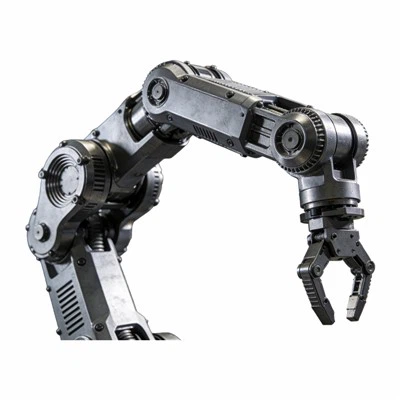
Robots often perform repetitive tasks, which means their parts are subjected to cyclic loading. Fatigue resistance is the ability of a material to withstand these cyclic loads without failing. For example, the joints and links in a robot's arm are constantly moving, causing stress to build up over time. A material with poor fatigue resistance will develop cracks and eventually fail, even if the stress levels are below its ultimate strength.
To ensure the long - term reliability of robot parts, we carefully select materials with high fatigue resistance. This involves conducting extensive testing to simulate the actual operating conditions of the robot and determine the fatigue life of the parts.
Wear Resistance
Wear is a common issue in robot parts, especially in components that are in contact with other surfaces during operation. Wear resistance is the ability of a material to resist material loss due to friction. In a robot, parts such as bearings, gears, and slides need to have high wear resistance to maintain their performance over time.
We use various techniques to improve the wear resistance of robot parts. For example, we can apply special coatings or heat - treat the materials to increase their hardness and reduce friction. This not only extends the life of the parts but also reduces maintenance costs.
Importance of Material Selection Based on Mechanical Properties
Selecting the right materials for robot parts based on their mechanical properties is crucial for the overall success of a robot. Using a material with the wrong combination of properties can lead to premature failure, poor performance, and increased costs.
As a robot parts supplier, we have a deep understanding of the relationship between mechanical properties and material selection. We work closely with our customers to understand their specific requirements and recommend the most suitable materials and parts for their robots. Whether it's a high - strength stainless steel part for a heavy - duty industrial robot or a lightweight, ductile aluminium component for a mobile robot, we have the expertise to provide the right solutions.
Conclusion
The mechanical properties of robot parts are the foundation of a robot's functionality, durability, and performance. By carefully considering strength, toughness, hardness, ductility, elasticity, fatigue resistance, and wear resistance, we can ensure that the robot parts we supply meet the highest standards of quality.
If you're looking for high - quality robot parts with the right mechanical properties for your project, I invite you to reach out. Whether you're in the early stages of product development or need to replace existing parts, I'm here to assist you. Our team of experts can offer in - depth guidance on material selection, design optimization, and cost - effective solutions. Let's work together to ensure that your robots perform at their best.
References
- Callister, W. D., & Rethwisch, D. G. (2010). Materials Science and Engineering: An Introduction. Wiley.
- Dieter, G. E. (1986). Mechanical Metallurgy. McGraw - Hill.
- Ashby, M. F., & Jones, D. R. H. (2005). Engineering Materials 1: An Introduction to Properties, Applications and Design. Butterworth - Heinemann.