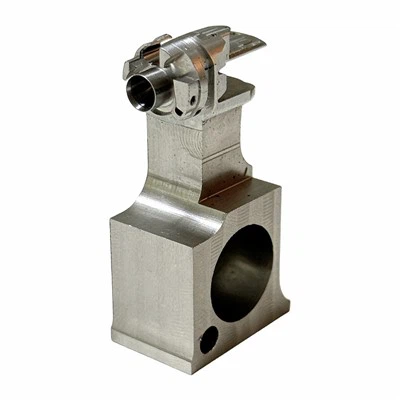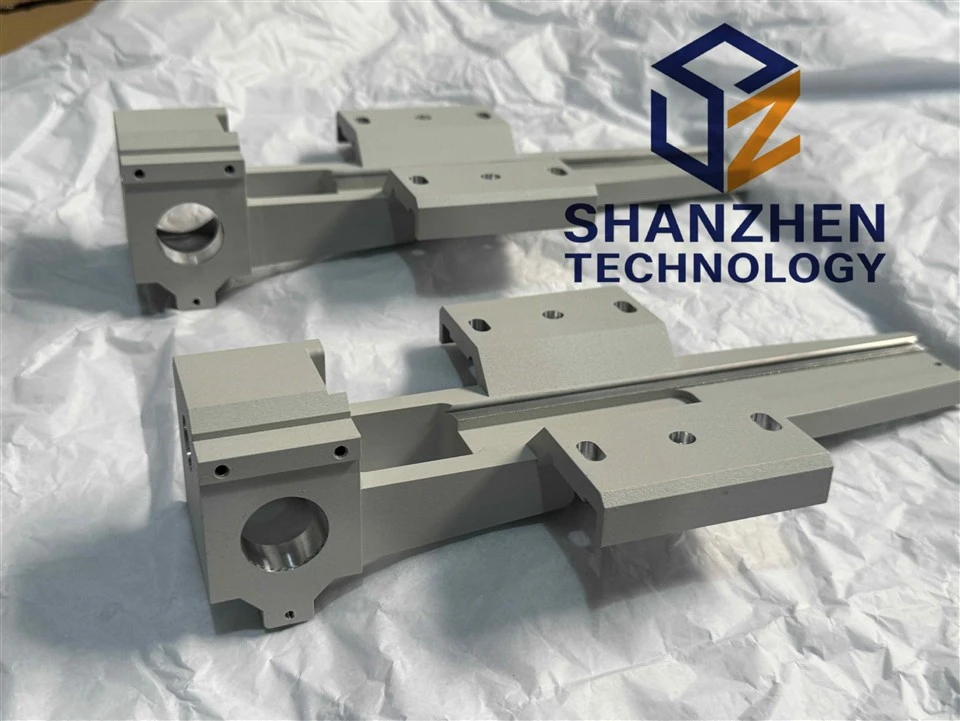
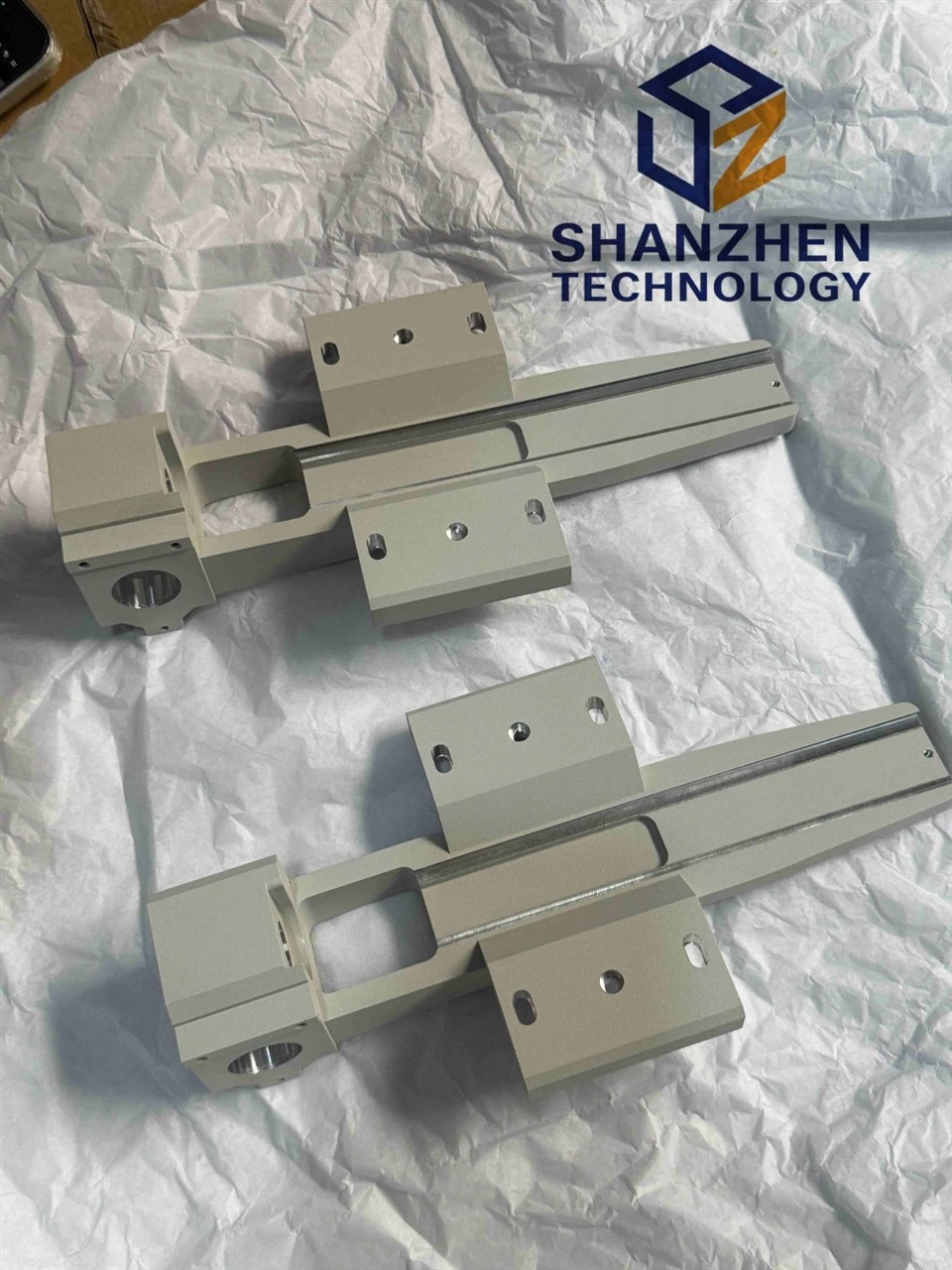
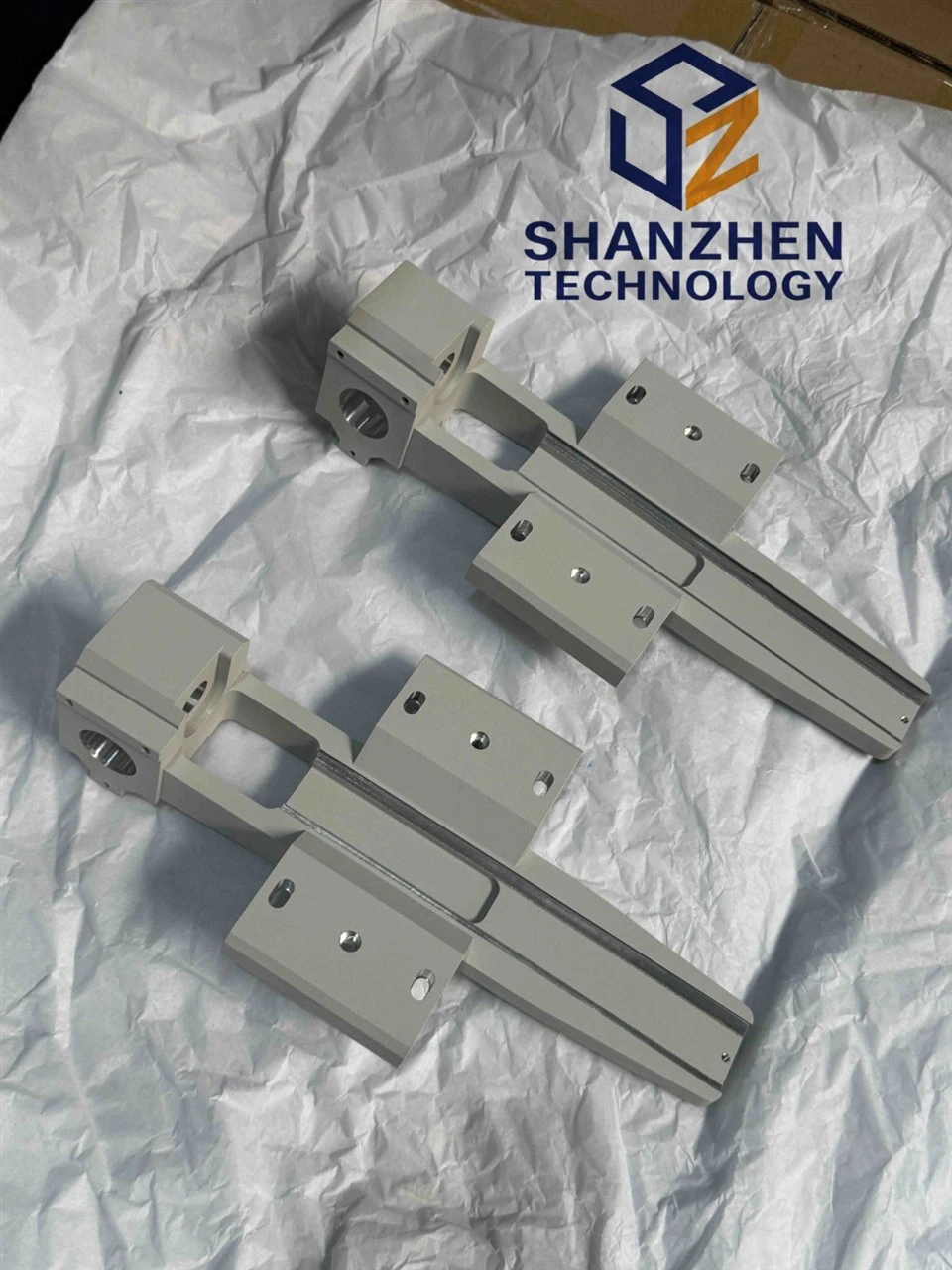
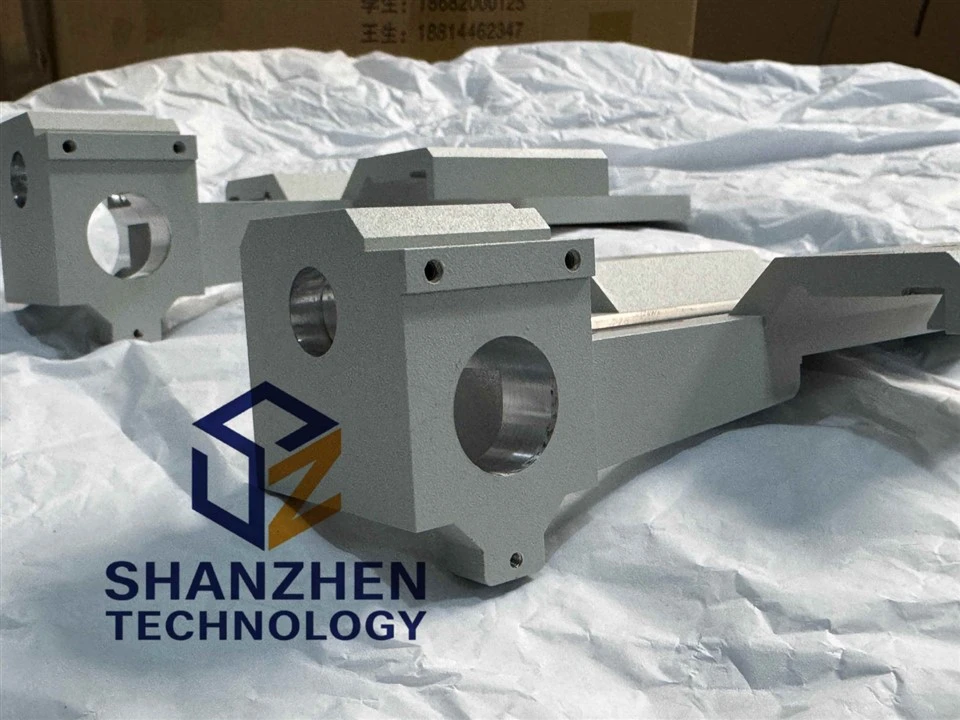
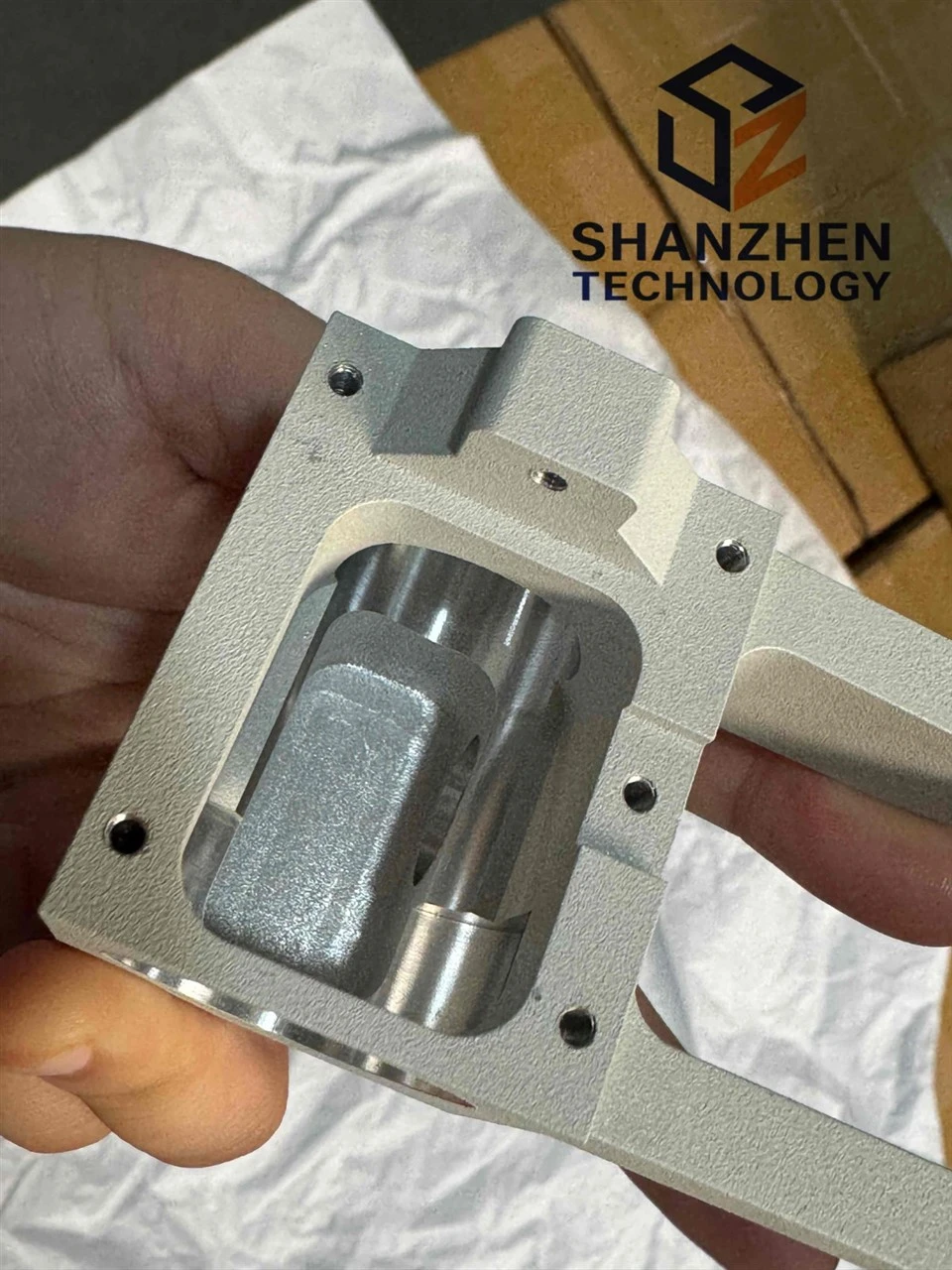
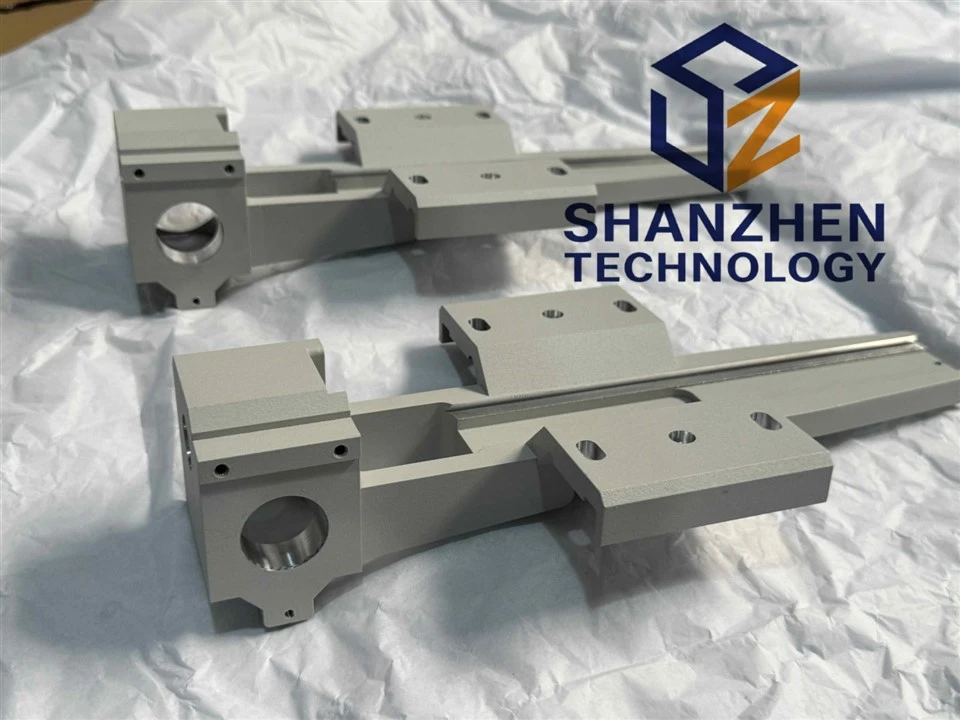
Shenzhen Jingcheng Dingyi Forming Technology Co., Ltd. is one of the leading manufacturers and suppliers of robot arm bracket in China, specialized in providing high quality customized products. If you're going to buy bulk cheap robot arm bracket, welcome to get quotation from our factory. Quality products and low price are available.
Key Features
- Precision CNC machining for complex robotic structural components
- Multiple mounting holes for accurate assembly and positioning
- Machined pockets and recessed areas for weight reduction
- Rigid structural design for robotic arm applications
- Smooth machined surfaces and clean edges
- Custom dimensions, hole patterns, and interfaces available
- Suitable for prototype development and low-volume production
- Optional anodizing and other surface finishing processes

Designed for Robotic Arm Applications
Robot arm structures require both rigidity and dimensional accuracy to maintain stable movement and repeatable positioning. This CNC machined bracket can be used as a structural connection component between robotic arm links, actuators, motors, gearboxes, and other mechanical assemblies.
The machined openings and mounting interfaces can be customized to match different actuator and robot arm designs. By controlling critical dimensions and hole locations during CNC machining, we help ensure proper fit between mating components.

CNC Machining & Customization
At Shenzhen Jingcheng Dingyi Precision Manufacturing, we manufacture custom robot parts directly from customer drawings, STEP files, and 3D CAD models.
Our capabilities include:
- 3-axis and 5-axis CNC milling
- CNC turning
- Precision drilling and tapping
- Pocket and cavity machining
- Chamfering and deburring
- Prototype machining
- Small-batch and production machining
- Custom surface finishing
Typical materials include 6061 and 7075 aluminum, stainless steel, titanium, brass, and engineering plastics. Aluminum 6061 is suitable for lightweight structural applications, while 7075 aluminum can be selected when higher strength-to-weight performance is required.
Surface finishes such as anodizing, hard anodizing, passivation, polishing, and other custom finishes can be provided according to application requirements.
Quality Control
For robotic structural components, dimensional consistency is critical because even small deviations in mounting interfaces can affect assembly and robot movement.
We inspect critical dimensions, hole locations, mating surfaces, and overall geometry during production to ensure the finished parts meet the requirements of the supplied drawings.
Whether you need one prototype or a batch of custom robot arm brackets, our team can support the process from CNC machining and surface finishing to final inspection and delivery.
Need a custom Robot Arm Bracket? Send us your 2D drawing or 3D CAD file for a machining quotation.

FAQ
Q: 1. What materials can be used for CNC machined robot arm brackets?
A: Common materials include 6061-T6 and 7075-T6 aluminum, stainless steel, titanium, and other engineering metals. Aluminum is often preferred for robot arm structures because it offers a good balance of strength, weight, machinability, and cost.
Q: 2. What CNC machining tolerances can you achieve for robot arm brackets?
A: Our CNC machining process can achieve tight dimensional tolerances according to the part design and functional requirements. For critical mounting holes, bearing seats, and mating surfaces, tighter tolerances can be controlled based on the engineering drawing.
Q: 3. Can you machine complex cavities and stepped structures?
A: Yes. 3-axis and 5-axis CNC machining can be used to produce complex pockets, stepped surfaces, mounting holes, curved profiles, and other features commonly found in robotic arm structural components.
Q: 4. Can you manufacture robot arm brackets according to our drawings?
A: Yes. We manufacture parts according to 2D engineering drawings, 3D CAD models, or customer specifications. Our engineers can also review the design before production and provide feedback on manufacturability when necessary.
Q: 5. What surface finishes are available for robot arm brackets?
A: Depending on the material and application, available finishes include anodizing, hard anodizing, polishing, bead blasting, brushing, passivation, and other custom finishes. Anodizing is commonly selected for aluminum robot components to improve surface protection and appearance.
Q: 6. How do you ensure the mounting holes and mating surfaces are accurate?
A: Critical features such as mounting holes, threaded holes, bearing seats, and mating surfaces are controlled according to the drawing requirements. Inspection can include dimensional measurement and other quality-control procedures before shipment.
Q: 7. Can you produce both prototypes and mass-production quantities?
A: Yes. We support CNC prototypes, low-volume production, and repeat production. This allows robotic companies to start with a small prototype batch and scale production after design validation.
Q: 8. Can you help optimize the design for CNC machining?
A: Yes. Our engineers can review factors such as wall thickness, pocket depth, tool access, hole design, corner radii, and machining orientation to help reduce machining difficulty and production cost while maintaining the required function.
Q: 9. Are robot arm brackets suitable for lightweight robotic systems?
A: Yes. For weight-sensitive applications, materials such as 6061-T6 or 7075-T6 aluminum can provide a useful combination of low weight and structural strength. The final material should be selected according to the robot's load, motion, stiffness, and operating conditions.
Q: 10. What information do you need to quote a robot arm bracket?
A: To provide an accurate quotation, please send us the 3D CAD file or 2D drawing, material, quantity, required surface finish, tolerance requirements, and expected delivery schedule. We can then review the design and provide a manufacturing quotation.
Q: 11. Can you manufacture other CNC parts for robotic arms?
A: Yes. In addition to robot arm brackets, we manufacture various robot structural and motion-related components, including arm links, joint housings, actuator housings, motor mounts, brackets, flanges, and other precision CNC machined parts.
Q: 12. Why choose CNC machining for robot arm structural components?
A: CNC machining provides excellent control over dimensional accuracy, hole positioning, surface quality, and complex geometries, making it suitable for robotic components that require precise assembly and reliable mechanical performance.
Hot Tags: robot arm bracket, China robot arm bracket manufacturers