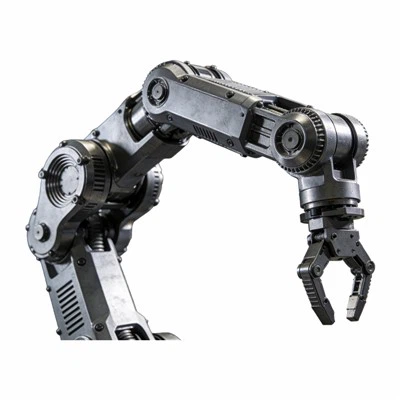
As a supplier of CNC Machining ABS Robot Parts, I've witnessed firsthand the growing demand for high - quality robot components in various industries. One aspect that often goes under the radar but is of significant importance is the acoustic properties of these parts. In this blog, we'll delve into the acoustic characteristics of CNC machined ABS robot parts, exploring how they impact the performance and functionality of robots.
Understanding ABS and Its Machining
ABS, or Acrylonitrile Butadiene Styrene, is a popular thermoplastic polymer known for its excellent mechanical properties, including high impact resistance, toughness, and good dimensional stability. These qualities make it an ideal material for manufacturing robot parts. CNC (Computer Numerical Control) machining is a subtractive manufacturing process that uses computer - controlled tools to remove material from a workpiece to create the desired shape. This process allows for high precision and repeatability, ensuring that each ABS robot part meets the exact specifications.
Acoustic Properties of ABS
The acoustic properties of a material are determined by how it interacts with sound waves. In the context of ABS robot parts, these properties can have a significant impact on the overall performance of the robot.
Sound Absorption
One of the key acoustic properties of ABS is its ability to absorb sound. Sound absorption is measured by the absorption coefficient, which ranges from 0 (perfect reflection) to 1 (perfect absorption). ABS has a relatively moderate absorption coefficient, which means it can absorb a certain amount of sound energy. This is beneficial in robotic applications where noise reduction is important. For example, in a factory environment, robots that produce less noise are less likely to cause distractions or hearing damage to workers.
Sound Transmission
Sound transmission refers to the ability of a material to allow sound waves to pass through it. ABS has a relatively low sound transmission rate, which means it can act as a barrier to sound. This is useful in robots where internal components may generate noise. By using ABS parts, the noise can be contained within the robot, reducing the overall noise level in the surrounding environment.
Resonance
Resonance occurs when an object vibrates at its natural frequency. In the case of ABS robot parts, resonance can lead to unwanted vibrations and noise. However, through proper design and machining, the natural frequency of the ABS parts can be adjusted to avoid resonance. For example, by changing the shape and thickness of the parts, the natural frequency can be shifted away from the frequencies commonly encountered in the robot's operation.
Factors Affecting the Acoustic Properties of CNC Machined ABS Robot Parts
Several factors can influence the acoustic properties of CNC machined ABS robot parts.
Machining Quality
The quality of the CNC machining process can have a significant impact on the acoustic properties of the parts. A well - machined part with smooth surfaces and precise dimensions is more likely to have consistent acoustic properties. Rough surfaces or uneven dimensions can cause sound waves to scatter, leading to increased noise and reduced sound absorption.
Part Design
The design of the ABS robot parts also plays a crucial role in their acoustic properties. For example, parts with complex shapes or internal cavities can trap sound waves, increasing sound absorption. On the other hand, parts with thin walls may be more prone to vibration and resonance, which can increase noise.
Material Properties
The properties of the ABS material itself, such as its density and elasticity, can affect its acoustic properties. Different grades of ABS may have different acoustic characteristics. For example, a higher - density ABS may have better sound - blocking properties, while a more elastic ABS may be better at absorbing vibrations.
Applications of Acoustic Properties in Robot Design
The acoustic properties of CNC machined ABS robot parts have several applications in robot design.
Noise Reduction in Industrial Robots
In industrial settings, robots often operate in close proximity to human workers. Excessive noise can be a safety hazard and a source of discomfort. By using ABS parts with good sound - absorption and sound - blocking properties, the noise level of industrial robots can be significantly reduced. This not only improves the working environment but also helps to comply with noise regulations.
Precision in Service Robots
Service robots, such as those used in healthcare or hospitality, need to operate quietly to avoid disturbing people. The acoustic properties of ABS parts can help these robots to operate more silently, providing a better user experience. For example, a robotic nurse assistant can move around a hospital ward without causing unnecessary noise, allowing patients to rest.


Communication in Social Robots
Social robots are designed to interact with humans. Good acoustic properties in their parts can help to improve the quality of voice communication. By reducing background noise and improving sound transmission, social robots can better understand and respond to human speech.
Comparison with Other Materials
When considering the acoustic properties of CNC machined ABS robot parts, it's useful to compare them with other materials commonly used in robot manufacturing.
Anodized Aluminum Machining Parts
Anodized Aluminum Machining Parts are known for their high strength and durability. However, aluminum has a relatively high sound - transmission rate compared to ABS. This means that aluminum parts may allow more noise to pass through, making them less suitable for applications where noise reduction is a priority.
Aluminum Precision Frame Parts
Aluminum Precision Frame Parts are often used in robot frames due to their light weight and high precision. While aluminum is a good conductor of sound, ABS can provide better sound - absorption and sound - blocking capabilities. In some cases, a combination of aluminum and ABS parts may be used to take advantage of the strengths of both materials.
How Our CNC Machined ABS Robot Parts Stand Out
As a supplier of CNC machined ABS robot parts, we take pride in the quality of our products. Our parts are machined to the highest standards, ensuring consistent acoustic properties. We use advanced CNC machining techniques to create parts with smooth surfaces and precise dimensions, which helps to minimize sound scattering and resonance.
We also offer a range of customization options. Whether you need parts with specific acoustic properties or a unique design, we can work with you to meet your requirements. Our team of experts has extensive experience in the field of robot part manufacturing and can provide valuable advice on the best materials and designs for your application.
Contact Us for Your Robot Part Needs
If you're in the market for high - quality CNC machined ABS robot parts, we'd love to hear from you. Our acoustic properties - optimized parts can help you create quieter, more efficient robots. Whether you're an industrial robot manufacturer, a service robot developer, or a social robot researcher, we have the expertise and resources to meet your needs. Contact us today to start a discussion about your project and explore how our products can enhance your robot's performance.
References
- "Engineering Materials: Properties and Selection" by George E. Dieter
- "Acoustics: An Introduction" by David C. Harris
- "CNC Machining Handbook" by Peter H. Thornton