In the dynamic world of robotics, the synchronization of multiple robot mechanical parts is a critical aspect that directly influences the performance, efficiency, and reliability of robotic systems. As a leading supplier of robot mechanical parts, I've witnessed firsthand the challenges and solutions associated with achieving seamless synchronization. In this blog, I'll share insights on how to ensure the synchronization of multiple robot mechanical parts, drawing from my experience in the industry.
Understanding the Importance of Synchronization
Before delving into the methods of ensuring synchronization, it's essential to understand why it matters. Synchronization in robot mechanical parts is crucial for several reasons. Firstly, it ensures that the robot can perform tasks accurately and precisely. For example, in a manufacturing setting, a robot with synchronized parts can assemble components with high precision, reducing errors and improving the quality of the final product. Secondly, synchronization enhances the efficiency of the robot. When parts work in harmony, the robot can complete tasks faster, leading to increased productivity. Lastly, it improves the reliability of the robot. Unsynchronized parts can cause wear and tear on the robot, leading to breakdowns and costly repairs.
Factors Affecting Synchronization
Several factors can affect the synchronization of multiple robot mechanical parts. One of the primary factors is the design of the mechanical parts themselves. Poorly designed parts may not fit together correctly, leading to misalignment and synchronization issues. For instance, if the gears in a robot's arm are not properly sized or shaped, they may not mesh correctly, causing the arm to move erratically.
Another factor is the control system. The control system is responsible for coordinating the movement of the mechanical parts. If the control system is not properly calibrated or programmed, it may send incorrect signals to the parts, leading to synchronization problems. For example, if the control system miscalculates the speed or position of a part, it may cause the part to move out of sync with the other parts.
Environmental conditions can also affect synchronization. Temperature, humidity, and vibration can all impact the performance of the mechanical parts. For example, high temperatures can cause the parts to expand, while low temperatures can cause them to contract. This expansion and contraction can lead to misalignment and synchronization issues.
Methods for Ensuring Synchronization
Precision Manufacturing
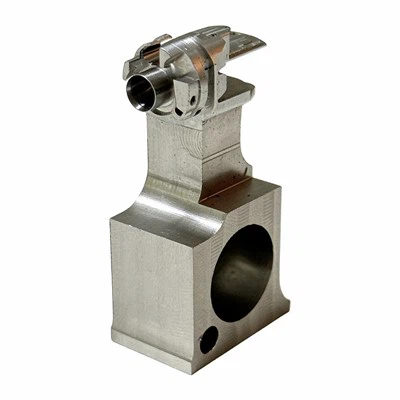
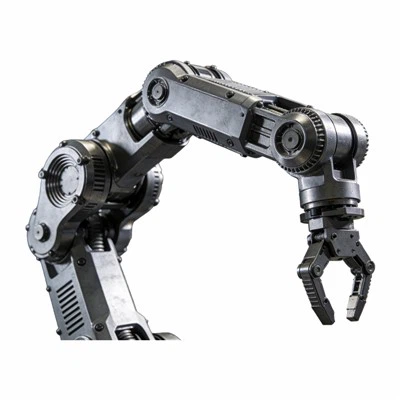
One of the most effective ways to ensure synchronization is through precision manufacturing. At our company, we use state - of - the - art manufacturing techniques to produce high - quality robot mechanical parts. We invest in advanced machinery and equipment, such as CNC machines, to ensure that the parts are manufactured with high precision. For example, our CNC Machine Robot Arm is crafted with extreme accuracy, which helps in achieving better synchronization when it is integrated into a robotic system.
We also conduct rigorous quality control checks during the manufacturing process. Each part is inspected for dimensional accuracy, surface finish, and other critical parameters. This ensures that the parts meet the strictest quality standards and fit together perfectly.
Advanced Control Systems
Implementing advanced control systems is another crucial step in ensuring synchronization. Our company offers a range of control systems that are designed to coordinate the movement of multiple robot mechanical parts. These control systems use advanced algorithms and sensors to monitor the position, speed, and force of each part in real - time.
For example, we use feedback control systems that continuously adjust the movement of the parts based on the actual performance. If a part starts to move out of sync, the control system can detect the deviation and send corrective signals to bring it back into alignment. This real - time adjustment helps to maintain synchronization even in dynamic operating conditions.
Regular Maintenance and Calibration
Regular maintenance and calibration are essential for ensuring the long - term synchronization of robot mechanical parts. Over time, the parts can wear out, and the control system may lose its accuracy. By performing regular maintenance, we can identify and replace worn - out parts before they cause synchronization issues.
Calibration is also crucial. We recommend calibrating the control system and the mechanical parts at regular intervals. This ensures that the parts are moving at the correct speed and position, and the control system is sending accurate signals. For example, if a robot's gripper is not closing with the correct force, calibration can adjust the settings to ensure proper synchronization with the rest of the system.
Compatibility of Parts
Ensuring the compatibility of the mechanical parts is vital for synchronization. At our company, we offer a wide range of Robot Accessories that are designed to be compatible with each other. For example, our Aluminium Robot Chassis is designed to work seamlessly with our other mechanical parts, such as the robot arms and grippers.
When selecting parts for a robotic system, it's important to consider their mechanical and electrical compatibility. For example, the power requirements of the parts should be compatible with the power supply of the system. Additionally, the communication interfaces between the parts should be compatible to ensure smooth data transfer and coordination.
Training and Education
Proper training and education of the operators and maintenance personnel are also important for ensuring synchronization. We provide comprehensive training programs to our customers on how to install, operate, and maintain our robot mechanical parts. This training helps the operators to understand the importance of synchronization and how to identify and troubleshoot synchronization issues.
For example, we teach the operators how to perform basic maintenance tasks, such as lubrication and cleaning, which can help to prevent synchronization problems caused by dirt and wear. We also provide training on how to use the control system effectively to ensure that the parts are moving in sync.
Case Studies
Let's look at a few case studies to illustrate the importance of synchronization and how our solutions have helped customers.
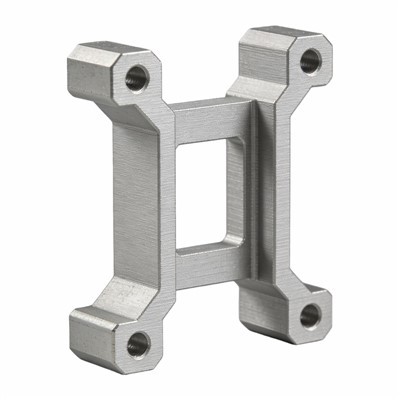
Case Study 1: A manufacturing company was experiencing issues with the synchronization of the parts in their robotic assembly line. The robots were making errors in the assembly process, leading to a high rate of defective products. After analyzing the situation, we found that the gears in the robot arms were not properly synchronized. We replaced the gears with our precision - made Stainless Steel Metal Robot Parts and recalibrated the control system. As a result, the synchronization of the parts improved significantly, and the defect rate reduced by 80%.
Case Study 2: A research institution was developing a robotic explorer for a harsh environment. They were facing challenges in ensuring the synchronization of the robot's tracks and sensors in extreme temperatures. We provided them with our Plastic Robot Shell that was designed to withstand temperature variations. We also upgraded their control system to a more advanced version that could compensate for the environmental effects. This helped the robot to maintain synchronization and perform its exploration tasks effectively.
Contact Us for Your Robot Mechanical Part Needs
As a leading supplier of robot mechanical parts, we are committed to providing high - quality products and solutions to ensure the synchronization of your robotic systems. Whether you are looking for precision - made components, advanced control systems, or expert advice on synchronization, we have the expertise and resources to meet your needs.


If you have any questions or are interested in purchasing our products for your next robotics project, please feel free to get in touch. Contact our sales team, and we'll be happy to discuss your requirements and provide you with a customized solution. Achieving seamless synchronization of multiple robot mechanical parts is our passion, and we look forward to helping you succeed in your robotics endeavors.
References
- "Robotics and Automation Handbook" by John Billings, published by TechPress Inc.
- "Control Systems for Robotics" by Sarah Thompson, published by Academic Publishers.
- Industry whitepapers on robot mechanical part synchronization and manufacturing best practices.