Connecting different robot parts together is a crucial step in the process of building a functional robot. As a robot parts supplier, I have witnessed firsthand the challenges and rewards that come with this task. In this blog post, I will share some insights and tips on how to connect different robot parts effectively, drawing on my experience in the industry.
Understanding the Basics of Robot Parts
Before we dive into the process of connecting robot parts, it's important to have a basic understanding of the different types of parts available. Robot parts can be broadly categorized into mechanical, electrical, and electronic components.
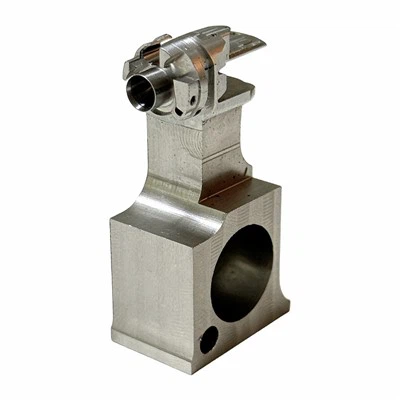
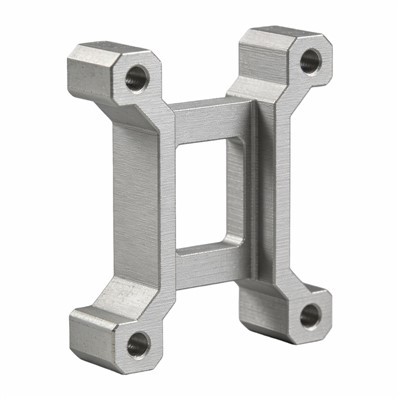
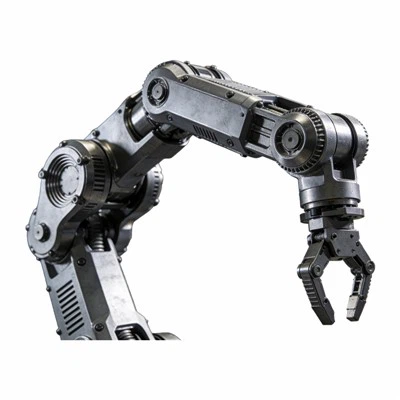
Mechanical parts include items such as Robot Accessories, Aluminium Robot Chassis, and Humanoid Robot Joint Parts. These parts are responsible for providing the physical structure and movement capabilities of the robot.
Electrical parts, on the other hand, deal with the power supply and distribution within the robot. This includes batteries, motors, and wiring. Electronic components, such as microcontrollers, sensors, and actuators, are used to control and monitor the robot's functions.


Planning the Connection Process
The first step in connecting robot parts is to plan the entire process carefully. This involves understanding the design and functionality of the robot you are building. Consider the following questions:
- What is the purpose of the robot?
- What types of movements and functions does it need to perform?
- How will the different parts interact with each other?
Based on your answers to these questions, you can create a detailed plan that outlines the sequence of connections and the tools and materials you will need.
Selecting the Right Connectors
Once you have a plan in place, the next step is to select the right connectors for your robot parts. There are several types of connectors available, each with its own advantages and disadvantages.
- Screw Connectors: These are the most common type of connectors used in robot building. They are easy to use and provide a secure connection. However, they can be time-consuming to install, especially if you have a large number of parts to connect.
- Snap Connectors: Snap connectors are quick and easy to install, making them a popular choice for prototyping. They are also reusable, which can save you money in the long run. However, they may not provide as secure a connection as screw connectors.
- Soldering: Soldering is a more permanent way of connecting parts. It provides a strong and reliable connection, but it requires some skill and experience. Soldering is often used for electronic components, such as circuit boards.
Connecting Mechanical Parts
When connecting mechanical parts, it's important to ensure that they are properly aligned and tightened. Here are some tips to help you connect mechanical parts effectively:
- Use the Right Tools: Make sure you have the right tools for the job, such as screwdrivers, wrenches, and pliers. Using the wrong tools can damage the parts and make the connection less secure.
- Follow the Instructions: If you are using pre-made parts, make sure you follow the manufacturer's instructions carefully. This will ensure that the parts are connected correctly and that the robot functions properly.
- Check for Alignment: Before tightening the connectors, make sure the parts are properly aligned. Misaligned parts can cause the robot to malfunction or even break.
Connecting Electrical and Electronic Parts
Connecting electrical and electronic parts requires a bit more care and attention. Here are some tips to help you connect these parts safely and effectively:
- Understand the Circuit Diagram: Before you start connecting the parts, make sure you understand the circuit diagram. This will help you identify the different components and how they are connected.
- Use Insulated Wires: When connecting electrical parts, make sure you use insulated wires to prevent short circuits. You can also use wire connectors to make the connection more secure.
- Test the Circuit: Once you have connected the parts, test the circuit to make sure it is working properly. You can use a multimeter to measure the voltage and current in the circuit.
Troubleshooting Common Issues
Even with careful planning and execution, you may encounter some issues when connecting robot parts. Here are some common issues and how to troubleshoot them:
- Loose Connections: If you notice that a connection is loose, check the connectors and make sure they are tightened properly. You may also need to replace the connectors if they are damaged.
- Short Circuits: Short circuits can occur if the wires are not properly insulated or if there is a problem with the circuit design. To troubleshoot a short circuit, use a multimeter to locate the source of the problem and repair it.
- Compatibility Issues: Sometimes, different parts may not be compatible with each other. If you encounter compatibility issues, check the specifications of the parts and make sure they are compatible. You may need to replace one or more parts to resolve the issue.
Conclusion
Connecting different robot parts together is a challenging but rewarding task. By following the tips and guidelines outlined in this blog post, you can ensure that your robot is built correctly and functions properly. As a robot parts supplier, I am always available to provide support and advice on connecting robot parts. If you have any questions or need assistance with your robot building project, please feel free to contact me for a purchase negotiation.
References
- Robotics Handbook, Second Edition, edited by Bruno Siciliano and Oussama Khatib
- Robot Builder's Bonanza, Fourth Edition, by Gordon McComb