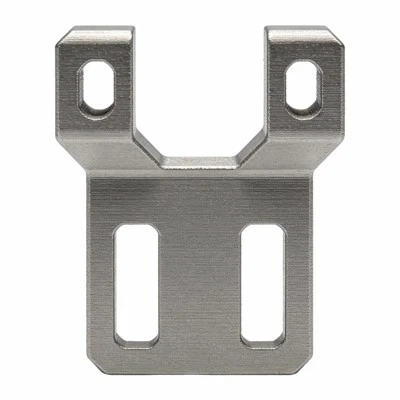
Powder coating is a widely used surface finishing technique in the sheet metal industry, offering numerous benefits such as enhanced durability, corrosion resistance, and aesthetic appeal. As a leading Sheet Metal Powder Coating supplier, we are often asked about the impact of powder coating on the magnetic properties of sheet metal. In this blog post, we will explore this topic in detail, discussing the factors that influence the magnetic behavior of powder-coated sheet metal and the implications for various applications.
Understanding Magnetic Properties of Sheet Metal
Before delving into the impact of powder coating, it is essential to understand the basic magnetic properties of sheet metal. Sheet metal can be broadly classified into two categories based on its magnetic behavior: ferromagnetic and non-ferromagnetic materials. Ferromagnetic materials, such as iron, nickel, and cobalt, exhibit strong magnetic properties and can be magnetized easily. Non-ferromagnetic materials, on the other hand, do not possess significant magnetic properties and are not attracted to magnets.
The magnetic properties of sheet metal are determined by several factors, including the composition of the material, its crystal structure, and the presence of impurities. For example, the addition of certain alloying elements can enhance the magnetic properties of ferromagnetic materials, while the presence of non-magnetic impurities can reduce their magnetic strength.
Impact of Powder Coating on Magnetic Properties
Powder coating is a dry finishing process that involves applying a fine powder to the surface of the sheet metal and then curing it under heat to form a hard, protective coating. The powder coating process itself does not directly affect the magnetic properties of the sheet metal. However, the composition of the powder coating material and the curing process can have an indirect impact on the magnetic behavior of the coated sheet metal.
Coating Material Composition
The composition of the powder coating material can influence the magnetic properties of the coated sheet metal. Some powder coating materials contain magnetic particles or additives that can enhance the magnetic properties of the coated surface. For example, certain types of epoxy powder coatings may contain iron oxide particles, which can increase the magnetic strength of the coated sheet metal.
On the other hand, non-magnetic powder coating materials, such as acrylic or polyester coatings, do not have a significant impact on the magnetic properties of the sheet metal. These coatings are primarily used for their aesthetic and protective properties, rather than for their magnetic characteristics.
Curing Process
The curing process is an important step in the powder coating process, as it determines the final properties of the coating. During the curing process, the powder coating material is heated to a specific temperature for a certain period of time, causing it to melt and flow onto the surface of the sheet metal. The curing process can also affect the magnetic properties of the coated sheet metal.
If the curing temperature is too high or the curing time is too long, it can cause the magnetic properties of the sheet metal to change. For example, excessive heat can cause the magnetic domains in the sheet metal to become disordered, resulting in a decrease in magnetic strength. On the other hand, if the curing temperature is too low or the curing time is too short, the powder coating may not fully cure, resulting in a weak and porous coating that can be easily damaged.


Implications for Various Applications
The impact of powder coating on the magnetic properties of sheet metal has important implications for various applications. In some applications, such as magnetic sensors and actuators, the magnetic properties of the sheet metal are critical for the proper functioning of the device. In these cases, it is important to choose a powder coating material and curing process that do not significantly affect the magnetic properties of the sheet metal.
In other applications, such as decorative or protective coatings, the magnetic properties of the sheet metal may not be as important. In these cases, the choice of powder coating material and curing process can be based on other factors, such as the desired aesthetic appearance, durability, and corrosion resistance.
Case Studies
To illustrate the impact of powder coating on the magnetic properties of sheet metal, let's consider a few case studies.
Case Study 1: Magnetic Sensor Application
In a magnetic sensor application, a sheet metal component is used to detect the presence of a magnetic field. The magnetic properties of the sheet metal are critical for the proper functioning of the sensor. In this case, the sheet metal is powder-coated with a non-magnetic acrylic coating to protect it from corrosion and improve its aesthetic appearance. The powder coating process does not significantly affect the magnetic properties of the sheet metal, and the sensor continues to function properly.
Case Study 2: Decorative Coating Application
In a decorative coating application, a sheet metal panel is powder-coated with a magnetic epoxy coating to create a unique and eye-catching finish. The magnetic epoxy coating contains iron oxide particles, which enhance the magnetic properties of the coated panel. The panel can be used in a variety of applications, such as magnetic displays and signage, where the magnetic properties of the panel are used to hold objects in place.
Conclusion
In conclusion, the impact of powder coating on the magnetic properties of sheet metal depends on several factors, including the composition of the powder coating material and the curing process. While powder coating itself does not directly affect the magnetic properties of the sheet metal, the choice of coating material and curing process can have an indirect impact on the magnetic behavior of the coated sheet metal.
As a Sheet Metal Powder Coating supplier, we understand the importance of providing high-quality powder coating services that meet the specific needs of our customers. Whether you are looking for a decorative coating or a protective coating, we can help you choose the right powder coating material and curing process to ensure that your sheet metal components have the desired magnetic properties.
If you are interested in learning more about our Sheet Metal Powder Coating services or have any questions about the impact of powder coating on the magnetic properties of sheet metal, please contact us to discuss your requirements. We look forward to working with you to provide the best possible solutions for your sheet metal finishing needs.
References
- "Powder Coating Technology," by Paul F. Brunelle.
- "Magnetic Materials and Their Applications," by E. C. Stoner and E. P. Wohlfarth.
- "Surface Finishing of Metals," by J. A. Dini.