As a sheet metal cutting supplier, I've encountered various issues during the sheet metal cutting process, and one of the most common problems is uneven cutting. Uneven cutting not only affects the quality of the final product but also leads to increased waste and production costs. In this blog, I'll explore the reasons for uneven cutting in sheet metal and share some insights on how to address these issues.
1. Material-Related Factors
- Material Hardness Variation
- Sheet metal materials can have inconsistent hardness across the sheet. For example, in some steel sheets, the edges might be harder than the center due to the manufacturing process. When cutting, the cutting tool will experience different levels of resistance. A harder area will cause the cutting speed to slow down, while a softer area will allow for faster cutting. This difference in cutting speed results in uneven cuts.
- To mitigate this issue, it's important to conduct material testing before cutting. By understanding the hardness distribution of the sheet metal, we can adjust the cutting parameters accordingly. For instance, we can increase the cutting pressure or speed in the harder areas to ensure a more uniform cut.
- Material Thickness Variation
- Even a slight variation in sheet metal thickness can lead to uneven cutting. If the thickness of the sheet varies along its length or width, the cutting tool will have to penetrate different amounts of material. This can cause the cutting depth to vary, resulting in an uneven cut.
- To deal with this problem, we can use thickness measurement tools to accurately measure the thickness of the sheet metal at multiple points. Based on the measurement results, we can adjust the cutting depth setting of the cutting machine to ensure a consistent cut across the entire sheet.
2. Cutting Tool-Related Factors
- Tool Wear
- Over time, cutting tools will wear out. A worn - out tool has a dull edge, which makes it difficult to cut through the sheet metal smoothly. As the tool wears, it may start to tear the metal instead of making a clean cut, leading to uneven edges.
- Regular tool inspection and replacement are crucial. We should set up a maintenance schedule to check the condition of the cutting tools. When signs of wear are detected, such as a decrease in cutting quality or an increase in cutting force, the tool should be replaced immediately.
- Tool Alignment
- Proper tool alignment is essential for even cutting. If the cutting tool is not aligned correctly with the sheet metal, it will cut at an angle, resulting in uneven cuts. This can happen due to improper installation of the tool or mechanical issues in the cutting machine.
- To ensure correct tool alignment, we need to follow the manufacturer's installation instructions carefully. Regularly check the alignment of the tool using alignment tools and make adjustments as needed.
3. Machine-Related Factors
- Machine Vibration
- Excessive machine vibration during the cutting process can cause uneven cuts. Vibration can be caused by various factors, such as unbalanced components in the cutting machine, loose parts, or improper machine setup. When the machine vibrates, the cutting tool moves erratically, leading to inconsistent cuts.
- To reduce machine vibration, we should perform regular maintenance on the cutting machine. Check for loose parts and tighten them if necessary. Also, ensure that the machine is properly balanced. If the vibration persists, we may need to consult a professional technician to diagnose and fix the problem.
- Feed Rate and Cutting Speed
- Incorrect feed rate and cutting speed settings can also result in uneven cutting. If the feed rate is too high, the cutting tool may not be able to remove the material properly, leading to rough and uneven cuts. On the other hand, if the cutting speed is too low, the heat generated during cutting can cause the material to deform, also resulting in uneven cuts.
- We need to optimize the feed rate and cutting speed based on the type of sheet metal material, thickness, and the cutting tool being used. This often requires some trial - and - error to find the optimal settings for each specific job.
4. Environmental Factors
- Temperature and Humidity
- Temperature and humidity can affect the properties of sheet metal and the performance of the cutting machine. High temperatures can cause the sheet metal to expand, while low temperatures can make it more brittle. Humidity can also lead to corrosion on the cutting tool, affecting its cutting ability.
- To minimize the impact of environmental factors, we should maintain a stable environment in the cutting workshop. Use air - conditioning and dehumidifiers to control the temperature and humidity levels.
Solutions and Best Practices
- Quality Control
- Implement a strict quality control system. Inspect the cut sheet metal at various stages of the production process. Use measuring tools such as calipers and micrometers to check the dimensions and the quality of the cut edges. By detecting and correcting issues early, we can prevent the production of defective products.
- Operator Training
- Provide comprehensive training to operators. They should be familiar with the operation of the cutting machine, the properties of different sheet metal materials, and the correct cutting parameters. Well - trained operators are more likely to produce high - quality cuts.
Related Products and Links
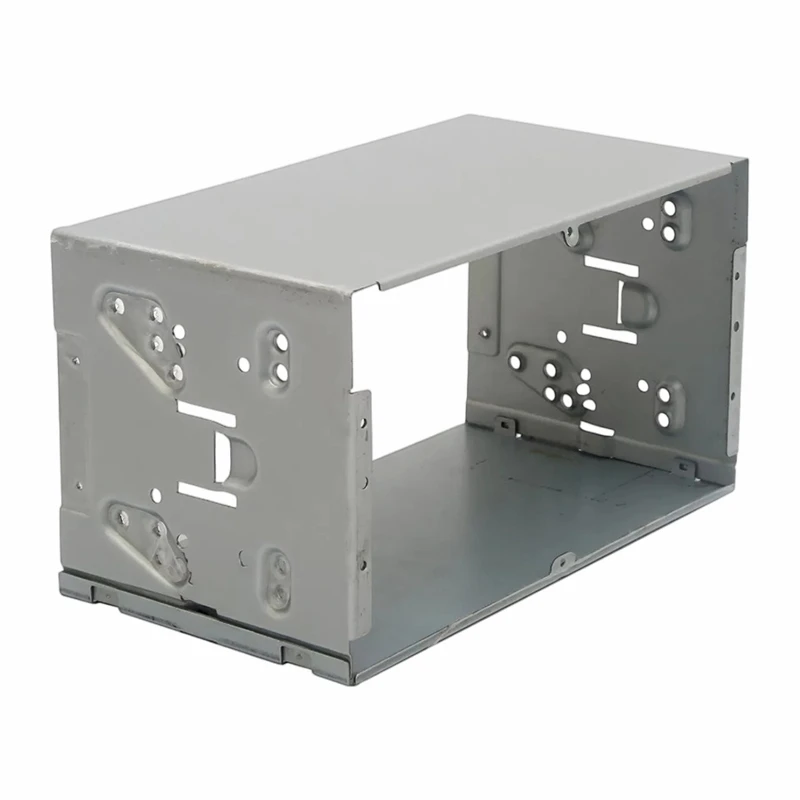
If you're interested in sheet metal products, you can check out our Sheet Metal Bending Stainless Steel for Case, Computer Case Sheet Metal, and Sheet Metal Stamping Bending.

Conclusion
Uneven cutting in sheet metal can be caused by a variety of factors, including material, cutting tool, machine, and environmental factors. By understanding these factors and implementing appropriate solutions, we can improve the quality of sheet metal cutting. If you're looking for high - quality sheet metal cutting services, feel free to contact us for procurement and further discussion. We're committed to providing you with the best products and services.
References
- "Sheet Metal Fabrication Handbook" by John Doe
- "Cutting Technology in Sheet Metal Processing" by Jane Smith