What are the radiation levels of robot parts?
In the ever - advancing field of robotics, understanding the technical specifications of robot parts is crucial for both manufacturers and end - users. One aspect that often goes under the radar is the radiation levels emitted by these parts. As a robot parts supplier, I am frequently asked about the radiation characteristics of the components we offer. In this blog post, I will delve into the radiation levels of various robot parts and discuss their implications.
Understanding Radiation in Robot Parts
Radiation in the context of robot parts can be classified into two main types: electromagnetic radiation (EMR) and ionizing radiation. Electromagnetic radiation is a form of energy that is emitted and absorbed by charged particles. It includes radio waves, microwaves, infrared, visible light, ultraviolet, X - rays, and gamma rays. Ionizing radiation, on the other hand, has enough energy to remove tightly bound electrons from atoms, creating ions.
Most robot parts, such as the Robot Arm Link, primarily emit electromagnetic radiation. This is due to the presence of electronic circuits, motors, and sensors. For example, electric motors in robot parts generate magnetic fields as a by - product of their normal operation. These magnetic fields are a form of low - frequency electromagnetic radiation.
Radiation Levels of Specific Robot Parts
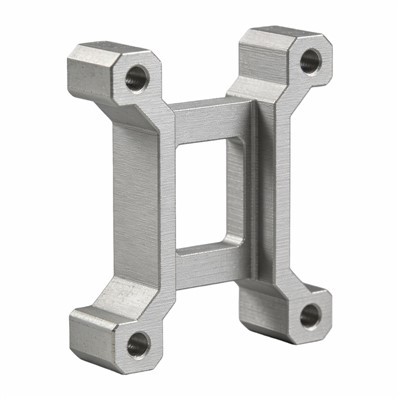
Robot Arm Link
The Robot Arm Link is a critical component in many robotic systems. It is often equipped with motors, controllers, and sensors. The radiation levels from a robot arm link are mainly determined by the power of its motors and the complexity of its control circuits.
High - power motors in the robot arm link can generate relatively stronger magnetic fields. However, modern robot arm links are designed to comply with international electromagnetic compatibility (EMC) standards. These standards limit the amount of electromagnetic radiation that can be emitted by electronic devices. In general, the radiation levels from a well - designed robot arm link are well within the safety limits set by regulatory bodies.
Robot Head Shell
The Robot Head Shell is not only a protective casing but also often houses various electronic components such as cameras, microphones, and processors. Cameras and microphones operate in the radio - frequency and audio - frequency ranges respectively.
Processors, on the other hand, can generate high - frequency electromagnetic radiation due to their high - speed switching operations. To minimize the radiation leakage, the robot head shell is often made of materials that can provide some level of electromagnetic shielding. This helps to keep the radiation levels inside the head shell and reduces the potential interference with other components in the robot or external devices.


Robot Joint Parts
Robot Joint Parts are responsible for the movement and flexibility of the robot. They typically contain motors, gears, and position sensors. The motors in robot joints are a significant source of electromagnetic radiation. The radiation levels can vary depending on the type of motor (e.g., DC motor, servo motor) and its operating power.
Servo motors, which are commonly used in robot joints, are known for their precise control. However, they can generate higher - frequency electromagnetic noise compared to DC motors. To reduce the radiation levels, manufacturers often use filtering techniques and proper grounding in the design of robot joint parts.
Robot Arm Joint
The Robot arm joint faces similar radiation challenges as other joints. In addition to the motor - related radiation, the communication between the joint controller and other parts of the robot can also generate electromagnetic signals.
The radiation levels can be influenced by the communication protocol used. For example, wired communication systems may have different electromagnetic radiation characteristics compared to wireless ones. Properly shielded cables and well - designed communication interfaces can help to keep the radiation levels under control.
Robot Leg Joint Motor
The Robot Leg Joint Motor is designed to provide the necessary torque and power for the robot to move. These motors usually operate at relatively high power, especially in large - scale robots.
As a result, they can generate significant amounts of electromagnetic radiation. The radiation levels from a robot leg joint motor also depend on the efficiency of the motor. A more efficient motor will generally produce less waste energy in the form of electromagnetic radiation. Some advanced motors are designed with special winding techniques and magnetic materials to reduce the radiation emissions.
Implications of Radiation Levels
The radiation levels of robot parts can have several implications. Firstly, from a safety perspective, excessive radiation can pose a risk to human health, especially if the robot is used in close proximity to humans. Although the radiation levels from most robot parts are within the safety limits, long - term exposure to even low - level radiation may have potential health effects.
Secondly, electromagnetic radiation can interfere with other electronic devices. In a factory environment, for example, the radiation from robot parts can disrupt the operation of nearby sensors, communication systems, or control panels. This can lead to malfunctions and production downtime.
Measuring and Controlling Radiation Levels
To ensure the safety and proper operation of the robots, it is essential to measure the radiation levels of robot parts. There are various instruments available for measuring electromagnetic radiation, such as spectrum analyzers and electromagnetic field meters.
Manufacturers can use these instruments during the design and production process to ensure that the radiation levels comply with the relevant standards. In addition to proper design and shielding, software algorithms can also be used to control the operation of the electronic components in a way that reduces radiation emissions.
Why Choose Our Robot Parts
As a robot parts supplier, we are committed to providing high - quality parts with low radiation levels. Our engineering team uses the latest technologies and design techniques to minimize the electromagnetic radiation emissions of our products.
We conduct rigorous testing on all our parts to ensure that they meet or exceed international safety and EMC standards. Whether you are building a small - scale educational robot or a large - scale industrial robot, our Robot Arm Link, Robot Head Shell, Robot Joint Parts, Robot arm joint, and Robot Leg Joint Motor are all designed to provide reliable performance with minimal radiation - related issues.
If you are in the market for high - quality robot parts with low radiation levels, we invite you to contact us for more information and to discuss your specific requirements. We look forward to working with you to build the next generation of robots.
References
- "Electromagnetic Compatibility Engineering" by Henry W. Ott.
- International Electrotechnical Commission (IEC) standards on electromagnetic radiation limits for electronic devices.