


Recycled plastic has emerged as a game - changer in various industries, and the field of 3D printing plastic parts is no exception. As a supplier of 3D Printing Plastic Parts, I have witnessed firsthand the numerous benefits that using recycled plastic in 3D printing brings. Not only does it align with the growing global trend towards sustainability, but it also offers practical advantages for businesses and consumers alike.
Environmental Benefits
One of the most significant advantages of using recycled plastic for 3D printing plastic parts is the positive impact on the environment. The plastic waste problem is a global crisis, with millions of tons of plastic ending up in landfills and oceans every year. By incorporating recycled plastic into 3D printing processes, we can divert a substantial amount of this waste from traditional disposal methods.
Recycling plastic reduces the need for virgin plastic production, which is an energy - intensive process. The extraction and refinement of petroleum, a primary raw material for plastic, consume large amounts of fossil fuels and contribute to greenhouse gas emissions. In contrast, recycling plastic requires significantly less energy. For example, recycling polyethylene terephthalate (PET) plastic can save up to 70% of the energy needed to produce new PET from scratch (EPA, 2023).

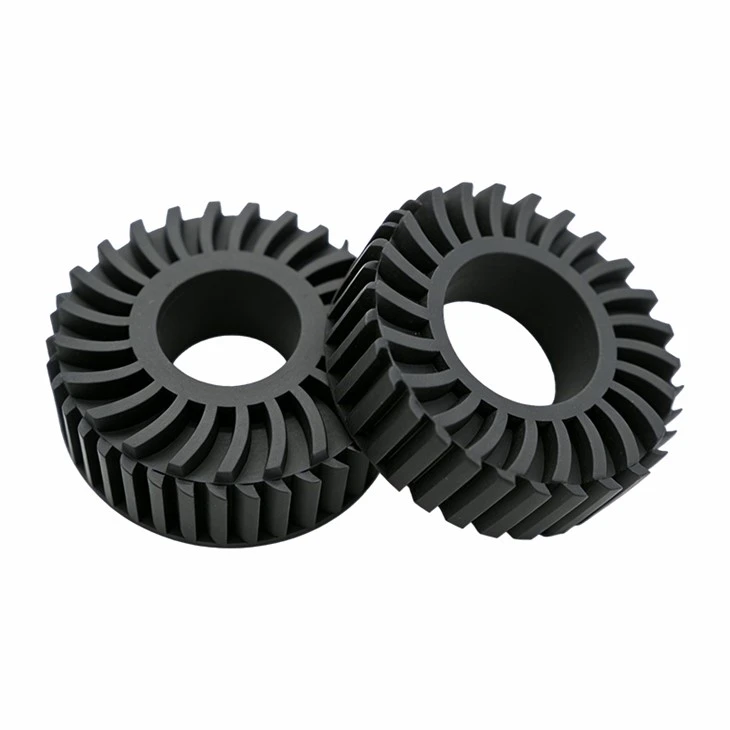
Furthermore, using recycled plastic in 3D printing helps to conserve natural resources. As the demand for plastic products continues to rise, the finite supply of petroleum is under increasing pressure. By reusing existing plastic materials, we can alleviate this pressure and ensure a more sustainable future for resource consumption.
Another environmental benefit is the reduction in plastic pollution. Plastic waste can take hundreds of years to decompose, and it often ends up in sensitive ecosystems, harming wildlife and marine life. When we use recycled plastic for 3D printing, we play our part in preventing plastic from entering these ecosystems and causing long - term damage.
Cost - effectiveness
From a business perspective, using recycled plastic for 3D printing plastic parts can be highly cost - effective. Recycled plastic is generally less expensive than virgin plastic. The lower cost of raw materials directly translates into cost savings for 3D printing operations. This cost advantage allows businesses to offer more competitive pricing for their 3D - printed plastic parts, which can be a significant selling point in a crowded market.
In addition to the lower material cost, the use of recycled plastic can also lead to savings in waste management. Instead of paying for the disposal of plastic waste, companies can repurpose it into valuable 3D - printed products. This not only reduces waste management expenses but also turns a potential liability into an asset.
Moreover, as the demand for sustainable products increases, businesses that use recycled plastic in their 3D printing processes can attract more customers. Consumers are becoming more environmentally conscious and are willing to pay a premium for products that are made from recycled materials. By offering 3D - printed plastic parts made from recycled plastic, companies can tap into this growing market segment and potentially increase their revenue.
Quality and Versatility
Contrary to some misconceptions, recycled plastic can offer comparable quality to virgin plastic in 3D printing applications. Advances in recycling technology have made it possible to produce high - quality recycled plastic filaments that are suitable for a wide range of 3D printing processes.
Recycled plastic can be used to create Nylon SLS 3D Printing Parts, Resin 3D Printing Parts, and many other types of plastic components. The mechanical properties of recycled plastic, such as strength, flexibility, and durability, can be tailored to meet specific requirements. For example, in some cases, recycled plastic can be reinforced with additives to enhance its strength, making it suitable for applications that require high - performance parts.
The versatility of recycled plastic in 3D printing also extends to its color and finish options. Recycled plastic filaments are available in a wide range of colors, allowing for the creation of aesthetically pleasing 3D - printed parts. Additionally, the surface finish of 3D - printed parts made from recycled plastic can be adjusted to meet different design needs, whether it's a smooth, glossy finish or a more textured look.
Innovation and Customization
The use of recycled plastic in 3D printing opens up new possibilities for innovation and customization. Since 3D printing allows for the creation of complex geometries and unique designs, businesses can use recycled plastic to develop novel products that are not possible with traditional manufacturing methods.
For instance, in the medical field, SLA 3D Printing for Medical Parts using recycled plastic can lead to the production of customized medical devices. These devices can be tailored to fit the specific needs of patients, improving treatment outcomes. In the automotive industry, recycled plastic can be used to create lightweight and customized parts, which can enhance fuel efficiency and performance.
Furthermore, the ability to recycle plastic on - site and use it for 3D printing enables rapid prototyping and product development. Companies can quickly test new designs and make adjustments as needed, reducing the time and cost associated with traditional prototyping methods.
Regulatory and Market Trends
The use of recycled plastic in 3D printing is also in line with regulatory and market trends. Governments around the world are implementing stricter regulations on plastic waste management and promoting the use of recycled materials. By using recycled plastic in 3D printing, businesses can ensure compliance with these regulations and avoid potential fines or penalties.
In the market, there is a growing demand for sustainable products. Consumers are increasingly looking for products that have a lower environmental impact, and businesses that can offer 3D - printed plastic parts made from recycled plastic are well - positioned to meet this demand. This trend is not limited to consumer products; industries such as aerospace, defense, and electronics are also showing interest in sustainable manufacturing practices, including the use of recycled plastic in 3D printing.
Conclusion
In conclusion, the benefits of using recycled plastic for 3D printing plastic parts are numerous. From environmental protection and cost - effectiveness to quality, versatility, innovation, and alignment with regulatory and market trends, recycled plastic offers a compelling solution for the 3D printing industry.
As a supplier of 3D Printing Plastic Parts, we are committed to promoting the use of recycled plastic and providing high - quality 3D - printed products. If you are interested in exploring the possibilities of using recycled plastic in your 3D printing projects or have any questions about our products and services, we encourage you to contact us for a procurement discussion. We look forward to working with you to create sustainable and innovative 3D - printed plastic parts.
References
- EPA. (2023). Benefits of Recycling. United States Environmental Protection Agency.


