Training operators to use a CNC Machine Robot Arm is a crucial process that requires a well - structured approach. As a supplier of CNC Machine Robot Arm, I understand the importance of ensuring that operators are well - versed in the operation of these advanced machines. In this blog, I will share some effective strategies for training operators to use a CNC Machine Robot Arm.
Understanding the Basics
Before diving into the training process, it is essential to ensure that operators have a solid understanding of the basic concepts related to CNC Machine Robot Arms. This includes knowledge of robotics, automation, and the specific functions of the CNC machine. A good starting point is to provide operators with comprehensive documentation about the robot arm, including its technical specifications, safety guidelines, and operating procedures.
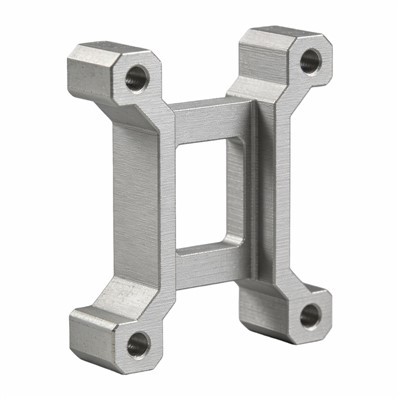
The documentation should cover topics such as the robot's kinematics, which describes how the robot moves in space. Operators need to understand concepts like degrees of freedom, which determine the range of motion of the robot arm. They should also be familiar with the different types of joints in the robot arm, such as revolute joints and prismatic joints. For more information on Humanoid Robot Joint Parts, which are relevant to understanding the structure of the robot arm, operators can refer to the provided link.
Theoretical Training
Theoretical training is an important part of the operator training process. This involves classroom - style sessions where operators learn about the principles behind the CNC Machine Robot Arm. Topics covered in theoretical training may include programming languages used for robot control, such as G - code and M - code. These codes are used to instruct the robot arm on how to perform specific tasks, such as moving to a certain position, rotating an object, or performing a machining operation.


In addition to programming, operators should also learn about the safety features of the CNC Machine Robot Arm. This includes understanding emergency stop buttons, safety interlocks, and protective barriers. Safety training is of utmost importance as it helps prevent accidents and injuries in the workplace. Operators should be aware of the potential hazards associated with operating the robot arm, such as pinch points, moving parts, and electrical hazards.
Hands - on Training
Hands - on training is where operators get to apply the knowledge they have learned in the theoretical sessions. This involves working directly with the CNC Machine Robot Arm under the supervision of an experienced trainer. The hands - on training should start with simple tasks and gradually progress to more complex operations.
For example, operators can start by learning how to move the robot arm to different positions using the control panel. They can then practice basic tasks such as picking up and placing objects. As they gain more confidence, they can move on to more advanced tasks, such as programming the robot arm to perform a specific machining operation.
During the hands - on training, it is important to provide operators with immediate feedback. This helps them correct any mistakes they may make and improve their skills. The trainer should also encourage operators to ask questions and explore different ways of using the robot arm.
Simulation Training
Simulation training is a valuable tool for training operators to use a CNC Machine Robot Arm. Simulation software allows operators to practice operating the robot arm in a virtual environment without the risk of damaging the actual machine. This is especially useful for training operators on complex tasks or for testing new programs before implementing them on the real robot arm.
Simulation training can also be used to teach operators about different scenarios and how to respond to them. For example, operators can practice dealing with errors or malfunctions in the simulation environment. This helps them develop problem - solving skills and prepares them for real - world situations.
Continuous Learning and Improvement
Training operators to use a CNC Machine Robot Arm is not a one - time event. It is an ongoing process that requires continuous learning and improvement. As technology advances and new features are added to the robot arm, operators need to be updated on the latest developments.
Regular refresher courses can be provided to operators to reinforce their knowledge and skills. These courses can cover new programming techniques, safety procedures, and best practices. Operators can also be encouraged to participate in industry events and training workshops to stay up - to - date with the latest trends in CNC Machine Robot Arm technology.
Importance of Training for Business
Proper training of operators is not only beneficial for the operators themselves but also for the business. Well - trained operators are more efficient and productive, which can lead to increased output and reduced costs. They are also less likely to make mistakes, which can help prevent accidents and damage to the equipment.
In addition, training operators to use a CNC Machine Robot Arm can enhance the company's reputation. Customers are more likely to trust a company that has well - trained operators and can provide high - quality products and services.
Contact for Purchase and Collaboration
If you are interested in purchasing a CNC Machine Robot Arm or need more information about our training programs, we encourage you to reach out to us. Our team of experts is ready to assist you with your needs and answer any questions you may have. Whether you are a small business looking to automate your production process or a large corporation in need of advanced robotic solutions, we can provide you with the right products and support. You can also explore our range of Robot Accessories to enhance the functionality of your CNC Machine Robot Arm.
References
- Robotics Handbook, Second Edition. Springer.
- CNC Programming Handbook. Industrial Press Inc.
- Safety Standards for Industrial Robots. International Organization for Standardization (ISO).