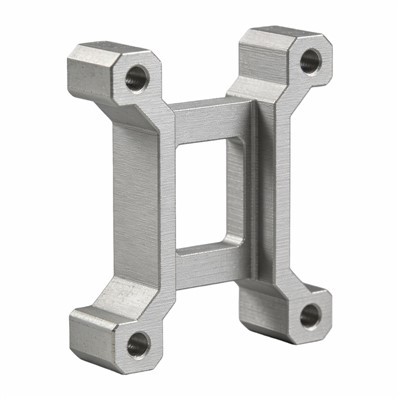
Resin 3D printing has emerged as a revolutionary technology in the manufacturing industry, offering high precision and intricate details in creating parts. As a supplier of resin 3D printing parts, one of the most common questions we encounter is whether these parts can be used in high - temperature environments. In this blog, we will delve into the science behind resin 3D printing, the properties of resin materials, and the viability of using resin 3D printed parts in high - temperature settings.
Understanding Resin 3D Printing
Resin 3D printing, also known as stereolithography (SLA), is a process that uses a liquid resin which is cured by a light source, typically a laser or UV light. The light selectively solidifies the resin layer by layer to create a three - dimensional object. This technology is known for its ability to produce parts with high resolution and smooth surface finishes, making it ideal for applications such as jewelry, dental models, and SLA 3D Printing for Medical Parts.
Properties of Resin Materials
Resin materials used in 3D printing come in a variety of types, each with its own set of properties. Some common types of resins include standard resins, flexible resins, and high - temperature resins.
- Standard Resins: These are the most commonly used resins in 3D printing. They offer good mechanical properties and are suitable for a wide range of applications. However, they have relatively low heat resistance, typically with a heat deflection temperature (HDT) in the range of 50 - 70°C. This means that they can start to deform or lose their shape when exposed to temperatures above this range.
- Flexible Resins: As the name suggests, these resins are flexible and can be bent or stretched without breaking. They are often used in applications where flexibility is required, such as gaskets or soft - touch components. Similar to standard resins, they also have limited heat resistance.
- High - Temperature Resins: These are specially formulated resins designed to withstand higher temperatures. They can have HDTs ranging from 100 - 250°C or even higher, depending on the specific resin. High - temperature resins are often used in applications where the parts will be exposed to elevated temperatures, such as automotive engine components or industrial machinery parts.
Factors Affecting the Use of Resin 3D Printed Parts in High - Temperature Environments
When considering using resin 3D printed parts in high - temperature environments, several factors need to be taken into account:
1. Heat Resistance of the Resin
As mentioned earlier, the heat resistance of the resin is a crucial factor. If the temperature of the environment exceeds the HDT of the resin, the part may deform, lose its strength, or even melt. Therefore, it is essential to choose a resin with a high enough HDT for the intended application.
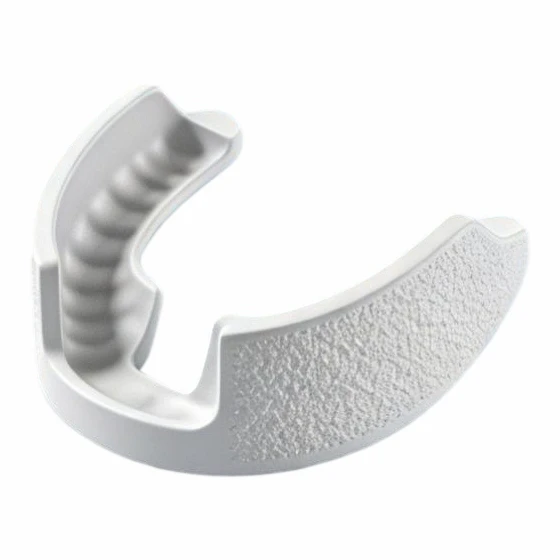
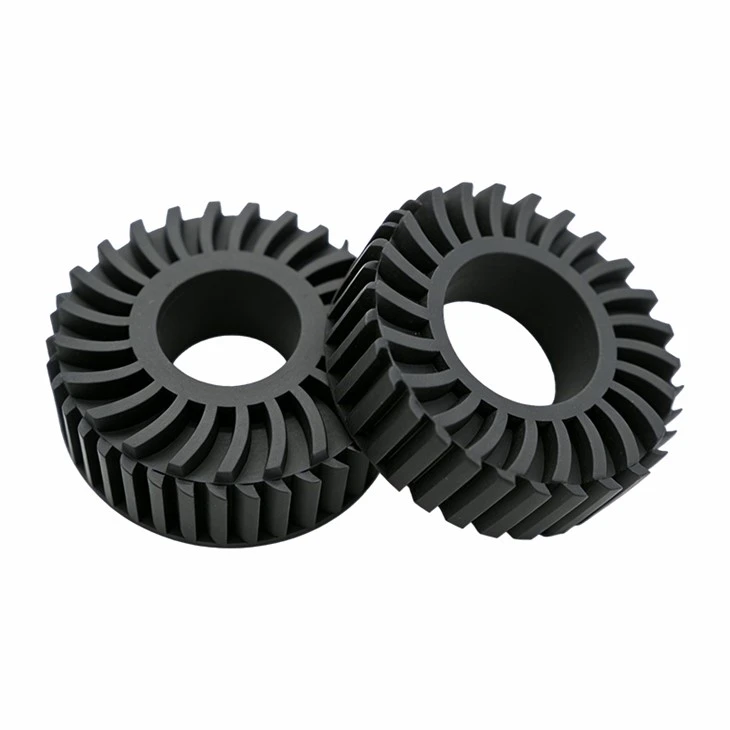
2. Duration of Exposure
The length of time the part is exposed to high temperatures also matters. A part may be able to withstand a short - term exposure to high temperatures without significant damage, but prolonged exposure can cause more severe degradation. For example, a resin part may be able to tolerate a brief burst of high - temperature steam during a sterilization process, but continuous exposure to high - temperature conditions in an industrial oven may lead to long - term damage.
3. Chemical Stability
In high - temperature environments, the resin may also be exposed to various chemicals. Some resins may react with these chemicals, leading to corrosion or other forms of degradation. It is important to ensure that the resin is chemically stable in the specific high - temperature environment.
4. Design and Geometry of the Part
The design and geometry of the part can also affect its performance in high - temperature environments. Parts with thin walls or complex geometries may be more prone to warping or cracking due to thermal stress. Additionally, parts with large surface areas may be more exposed to heat and may require more robust heat - resistant materials.
Applications of Resin 3D Printed Parts in High - Temperature Environments
Despite the challenges, there are some applications where resin 3D printed parts can be used in high - temperature environments:
1. Prototyping
Resin 3D printing is often used for prototyping in industries such as automotive and aerospace. In the early stages of product development, prototypes may need to be tested under high - temperature conditions to evaluate their performance. High - temperature resins can be used to create prototypes that can withstand these tests, allowing engineers to make design improvements before mass production.
2. Tooling
Resin 3D printed parts can also be used as tooling in high - temperature processes. For example, in injection molding, resin 3D printed molds can be used for low - volume production. These molds can be designed to withstand the high temperatures and pressures involved in the injection molding process.
3. Customized Components
In some cases, resin 3D printing can be used to create customized components for high - temperature applications. For example, in the medical field, customized surgical instruments or implants may need to be sterilized at high temperatures. High - temperature resins can be used to create these components, ensuring that they can withstand the sterilization process without losing their shape or functionality.
Comparison with Other 3D Printing Materials
When considering high - temperature applications, it is also important to compare resin 3D printing with other 3D printing materials.
- ABS Plastic: ABS is a popular thermoplastic used in 3D printing. It has a relatively high heat resistance, with an HDT of around 80 - 100°C. 3D Printing Service ABS Plastic Rapid Prototype can be a good option for applications where moderate heat resistance is required. However, ABS may not be suitable for extremely high - temperature environments.
- Nylon SLS: Nylon SLS (Selective Laser Sintering) is another 3D printing technology that uses nylon powder to create parts. Nylon has good heat resistance and mechanical properties, making it suitable for high - temperature applications. Nylon SLS 3D Printing Parts can be used in applications such as automotive engine components or industrial machinery parts.
Conclusion
In conclusion, resin 3D printed parts can be used in high - temperature environments, but it depends on several factors such as the type of resin, the duration of exposure, and the specific application. High - temperature resins offer a viable solution for applications where parts need to withstand elevated temperatures. However, it is important to carefully consider the requirements of the application and choose the appropriate resin and printing process.
As a supplier of resin 3D printing parts, we have the expertise and experience to help you select the right resin and design the optimal part for your high - temperature application. If you are interested in learning more about our resin 3D printing services or have a specific project in mind, we encourage you to contact us for a consultation. Our team of experts will be happy to assist you in finding the best solution for your needs.
References
- Gibson, I., Rosen, D. W., & Stucker, B. (2010). Additive Manufacturing Technologies: Rapid Prototyping to Direct Digital Manufacturing. Springer Science & Business Media.
- Wohlers, T., & Gornet, M. (2017). Wohlers Report 2017: 3D Printing and Additive Manufacturing State of the Industry. Wohlers Associates.
- ASTM International. (2015). Standard Terminology for Additive Manufacturing Technologies. ASTM F2792 - 12a.