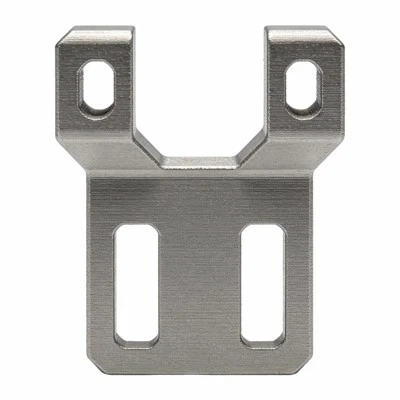
Hey there! As a supplier of Robot Accessories, I've seen firsthand how crucial it is to evaluate the quality of these components. Whether you're a hobbyist building your first robot or a professional in the robotics industry, getting high - quality accessories can make or break your project. So, let's dive into how you can evaluate the quality of robot accessories.
Material Quality
The first thing you need to look at is the material used in the robot accessories. Different materials have different properties, and the right material can significantly impact the performance and durability of your robot.
For instance, if you're looking at a Robot Accessories, the material of the parts can vary. Metals like steel and aluminum are popular choices. Steel is known for its high strength and durability. It can withstand heavy loads and is resistant to wear and tear. On the other hand, aluminum is lightweight, which is great for robots that need to be mobile. It also has good corrosion resistance.
When evaluating the material, you can check for things like surface finish. A smooth surface finish usually indicates better manufacturing quality. You can also look for any signs of impurities or defects in the material. For example, if you're looking at an Aluminium Robot Chassis, check for any cracks, dents, or uneven surfaces.
Precision and Tolerance
Precision is another key factor in evaluating the quality of robot accessories. Robots often require very precise movements, and the accessories need to be manufactured to tight tolerances.
Let's take a CNC Machine Robot Arm as an example. The joints of the robot arm need to be very precise to ensure accurate movements. If the parts are not manufactured to the correct tolerances, the robot arm may not move smoothly or accurately.
You can evaluate precision by looking at the specifications provided by the manufacturer. They should state the tolerance levels for each part. You can also test the parts yourself if possible. For example, you can measure the dimensions of the parts using a caliper and compare them to the stated specifications.
Compatibility
Robot accessories need to be compatible with your existing robot or the robot you're planning to build. Compatibility includes both mechanical and electrical compatibility.
Mechanical compatibility means that the parts can be easily assembled with the rest of the robot. For example, if you're adding a new sensor to your robot, it should fit into the designated mounting points. Electrical compatibility is also crucial. The accessories should be able to communicate with the robot's control system without any issues.
When evaluating compatibility, make sure to check the specifications of both the accessory and your robot. You can also consult the manufacturer or look for user reviews to see if others have had success using the accessory with a similar robot.
Durability and Reliability
Durability and reliability are essential for robot accessories. Robots often operate in harsh environments, and the accessories need to be able to withstand these conditions.
You can evaluate durability by looking at the construction of the accessory. For example, if it's a plastic part, check the thickness and quality of the plastic. A thicker and more rigid plastic is usually more durable. You can also look at the design of the part. Does it have any weak points or areas that are likely to break under stress?
Reliability can be evaluated by looking at the reputation of the manufacturer. Do they have a history of producing high - quality, reliable products? You can also look for user reviews to see if others have had any issues with the accessory.
Performance
The performance of the robot accessory is what really matters in the end. You need to make sure that the accessory can perform its intended function effectively.
For example, if you're looking at a motor for your robot, you need to consider factors like torque, speed, and power consumption. A high - torque motor is better for applications that require a lot of force, while a high - speed motor is better for applications that require fast movements.
You can evaluate performance by looking at the specifications provided by the manufacturer. You can also test the accessory yourself if possible. For example, you can run the motor at different speeds and loads to see how it performs.
Cost - effectiveness
While quality is important, you also need to consider the cost - effectiveness of the robot accessory. You don't want to overspend on accessories that are more expensive than necessary.
When evaluating cost - effectiveness, you need to compare the price of the accessory with its quality and performance. You can also look at the long - term costs. For example, a more expensive accessory may be more durable and require less maintenance, which can save you money in the long run.


After - sales Service
Good after - sales service is also an important factor in evaluating the quality of robot accessories. If you have any issues with the accessory, you want to be able to get support from the manufacturer.
Look for a manufacturer that offers a warranty on their products. This shows that they have confidence in the quality of their accessories. You can also check if they have a customer support team that can help you with any questions or problems you may have.
Conclusion
Evaluating the quality of robot accessories is a multi - faceted process. You need to consider factors like material quality, precision, compatibility, durability, reliability, performance, cost - effectiveness, and after - sales service. By taking the time to evaluate these factors, you can ensure that you're getting high - quality accessories for your robot.
If you're in the market for top - notch robot accessories, I'd love to talk to you. Whether you have questions about our products or are ready to place an order, don't hesitate to reach out. We're here to help you find the perfect accessories for your robot projects.
References
- General knowledge about robotics and manufacturing processes.
- Industry standards and best practices for evaluating the quality of mechanical and electrical components.