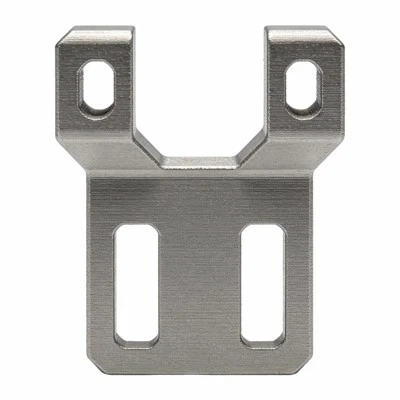
Hey there! As a supplier of Humanoid Robot Joint Parts, I've dealt with all sorts of issues related to these parts. In this blog, I'll share some tips on how to diagnose problems with humanoid robot joint parts.

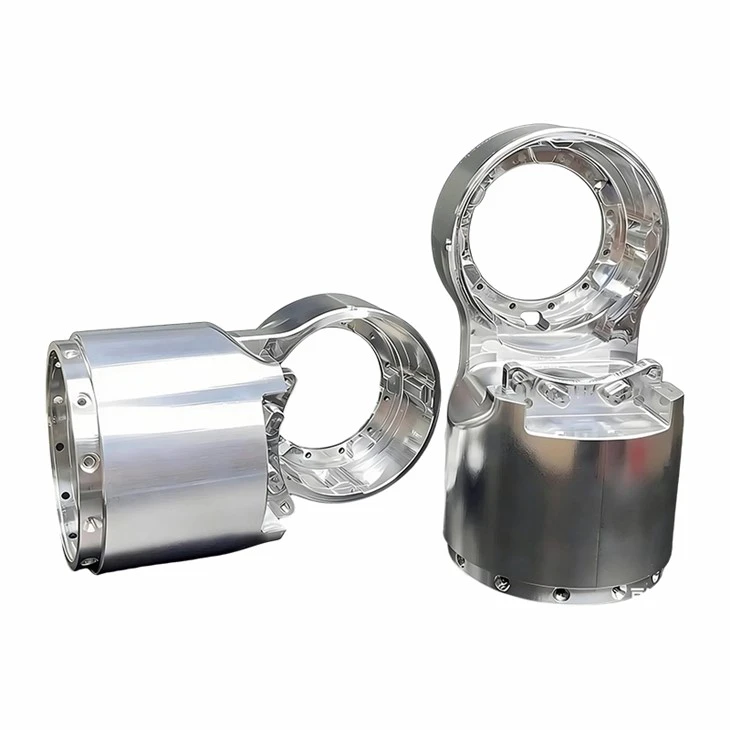
Understanding the Basics of Humanoid Robot Joint Parts
First off, let's talk a bit about what these parts are. Humanoid robot joints are like the joints in our own bodies. They allow the robot to move in different ways, such as bending, rotating, and extending. These joints are made up of various components, including motors, gears, bearings, and sensors. Each component plays a crucial role in the proper functioning of the joint.
Signs of Joint Problems
The first step in diagnosing problems is to know what signs to look for. Here are some common indicators that something might be wrong with a humanoid robot joint:
- Unusual Noises: If you hear grinding, clicking, or screeching noises coming from the joint, it could be a sign of a problem. For example, grinding noises might indicate that the gears are worn out or misaligned.
- Limited Range of Motion: If the joint doesn't move as freely as it should or has a reduced range of motion, there could be an issue. This could be due to a mechanical blockage, a problem with the motor, or a sensor malfunction.
- Vibrations: Excessive vibrations during movement can also signal a problem. Vibrations might be caused by loose components, unbalanced parts, or a damaged motor.
- Overheating: If the joint feels hot to the touch, it could be a sign that the motor is working too hard or there is a problem with the electrical system. Overheating can damage the components and lead to further issues if not addressed.
- Error Codes: Many modern humanoid robots are equipped with diagnostic systems that can display error codes. These codes can provide valuable information about what's going wrong with the joint. Make sure to refer to the robot's manual to understand what each error code means.
Step-by-Step Diagnostic Process
Visual Inspection
The first thing you should do is a visual inspection of the joint. Look for any obvious signs of damage, such as cracks, breaks, or loose parts. Check the wiring to make sure it's not frayed or disconnected. Also, look for any signs of debris or foreign objects that might be causing a blockage.
Check the Sensors
Sensors play a crucial role in the operation of humanoid robot joints. They provide feedback to the control system, allowing the robot to move accurately. If the sensors are not working properly, the joint might not function as expected. You can use a multimeter or other testing equipment to check the sensors' output. Compare the readings with the specifications provided by the manufacturer to see if the sensors are within the normal range.
Test the Motor
The motor is responsible for providing the power to move the joint. If the motor is not working correctly, the joint won't move. You can test the motor by applying a small voltage to it and seeing if it rotates. If the motor doesn't move or makes unusual noises, it might be damaged and need to be replaced. Also, check the motor's connections to make sure they are secure.
Examine the Gears and Bearings
Gears and bearings are essential for transferring the motor's power to the joint. If the gears are worn out or misaligned, or if the bearings are damaged, the joint might not work properly. You can visually inspect the gears for signs of wear, such as chipped teeth or excessive play. To check the bearings, try rotating the joint by hand. If you feel any rough spots or resistance, the bearings might be damaged.
Common Causes of Joint Problems
Now that we've gone through the diagnostic process, let's talk about some common causes of problems with humanoid robot joint parts.
- Wear and Tear: Over time, the components of the joint will naturally wear out. This is especially true if the robot is used frequently or in harsh environments. Regular maintenance and replacement of worn parts can help prevent this issue.
- Poor Installation: If the joint parts are not installed correctly, it can lead to problems. Make sure to follow the manufacturer's instructions carefully when installing or replacing joint parts.
- Overloading: If the joint is subjected to more weight or force than it's designed to handle, it can cause damage. Make sure to use the robot within its specified limits.
- Environmental Factors: Dust, dirt, moisture, and extreme temperatures can all affect the performance of the joint parts. Make sure to keep the robot clean and store it in a suitable environment.
Troubleshooting and Solutions
Once you've diagnosed the problem, it's time to find a solution. Here are some common troubleshooting steps and solutions:
- Replace Worn Parts: If you find that a particular component, such as a gear or a bearing, is worn out, you can replace it with a new one. As a Humanoid Robot Joint Parts supplier, we offer a wide range of high-quality replacement parts.
- Lubricate the Joint: Lubrication can help reduce friction and wear on the joint components. Make sure to use the appropriate lubricant recommended by the manufacturer.
- Adjust the Alignment: If the gears or other components are misaligned, you can try adjusting their position. This might require some technical skills, so make sure to follow the manufacturer's instructions carefully.
- Repair or Replace the Motor: If the motor is damaged, you might be able to repair it if the problem is minor. However, in most cases, it's easier and more cost-effective to replace the motor. We also offer a variety of motors suitable for humanoid robot joints.
- Check the Electrical System: If the problem is related to the electrical system, such as a faulty sensor or a wiring issue, you can check the connections and replace any damaged components.
Other Related Parts for Humanoid Robots
In addition to humanoid robot joint parts, we also offer other related robot parts. For example, our CNC Machine Robot Arm is designed for high-precision tasks. It's made of high-quality materials and provides excellent performance and reliability.
Our Stainless Steel Metal Robot Parts are durable and resistant to corrosion, making them suitable for use in various environments. And our Plastic Robot Shell offers a lightweight and protective solution for your robot.
We also have a wide range of Robot Accessories that can enhance the functionality of your humanoid robot. These include sensors, controllers, and connectors.
Wrapping Up and Encouraging Contact
Diagnosing problems with humanoid robot joint parts might seem challenging at first, but by following the steps outlined in this blog, you should be able to identify and solve most issues. If you're facing any problems or need more information about our Humanoid Robot Joint Parts or other products, feel free to contact us. We're here to help you keep your robots running smoothly and efficiently. Whether you're a hobbyist, a researcher, or a manufacturer, we have the parts and expertise to meet your needs. Let's start a conversation and see how we can work together!
References
- Robotics Handbook: A Comprehensive Guide to Robot Design, Operation, and Maintenance
- Journal of Robotics and Automation: Latest Research and Developments in Humanoid Robots