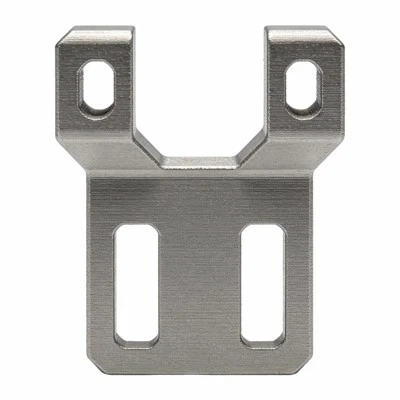
As a supplier of Aluminium Robot Chassis, I often get asked about how our products perform in various environments. One of the most common questions is about dusty environments. Dusty conditions can be a significant challenge for robots, affecting their functionality, longevity, and overall performance. In this blog, I'll delve into how an aluminium robot chassis copes in such environments, highlighting both its advantages and potential challenges.
Advantages of Aluminium Robot Chassis in Dusty Environments
1. Durability and Resistance to Corrosion
Aluminium is a highly durable metal. It forms a natural oxide layer on its surface when exposed to air, which acts as a protective barrier against corrosion. In dusty environments, dust particles can often carry moisture or corrosive substances. For instance, in industrial settings where cutting and grinding operations produce metal dust, the dust can be mixed with coolant or lubricant residues, which may be corrosive. The natural oxide layer on an aluminium robot chassis helps prevent rust and degradation that could be caused by these contaminants. This means that the chassis can maintain its structural integrity over a longer period, even when surrounded by dusty and potentially corrosive conditions.
2. Lightweight Design
Weight is a crucial factor in robot design. A lighter chassis allows the robot to move more efficiently, consume less power, and maneuver more easily. In dusty environments where robots may need to operate for extended periods or cover large areas, such as in large warehouses or agricultural fields, the lightweight nature of an aluminium chassis is a significant advantage. For example, in a warehouse where a robot is responsible for moving goods across long aisles, an aluminium chassis helps reduce the overall power consumption of the robot, allowing it to work for longer without frequent recharging.
3. Ease of Cleaning
Cleaning is an essential part of maintaining robots, especially in dusty environments. Aluminium surfaces are relatively smooth and easy to clean. Dust particles do not adhere strongly to the surface of an aluminium chassis, which makes it easier to remove them. Whether it's a simple wipe - down with a clean cloth or a more thorough cleaning using compressed air or a gentle cleaning agent, an aluminium robot chassis can be quickly restored to a clean state. This ease of cleaning helps prevent the build - up of dust, which can otherwise cause mechanical problems or interfere with the robot's sensors and electronics.
4. Heat Dissipation
Robots generate heat during operation, and efficient heat dissipation is crucial to prevent overheating, especially in dusty environments where ventilation may be limited. Aluminium is an excellent conductor of heat. It can quickly transfer the heat generated by the robot's internal components to the surrounding environment. In a dusty factory floor where there may be a lot of machinery and limited air circulation, an aluminium robot chassis helps keep the robot's internal temperature within a safe range. This reduces the risk of component failure due to overheating and ensures the long - term reliability of the robot.
Potential Challenges and Mitigations
1. Dust Infiltration into Joints and Moving Parts
One of the primary challenges in dusty environments is the infiltration of dust into the robot's joints and moving parts. Dust particles can act as abrasives, causing increased wear and tear on gears, bearings, and other mechanical components. To mitigate this issue, we at [supplier's company] design our aluminium robot chassis with sealed joints and protective covers. These seals prevent dust from entering the sensitive areas of the robot, ensuring smooth operation and reducing the need for frequent maintenance.
2. Impact on Sensors
Dust can also have a significant impact on the robot's sensors. For example, dust on cameras can blur the images, and dust on infrared or laser sensors can interfere with their readings. To address this problem, we incorporate sensor covers and cleaning mechanisms in our robot designs. These covers protect the sensors from direct exposure to dust, and the cleaning mechanisms can periodically remove any dust that may accumulate on the sensor surfaces. This ensures that the robot maintains accurate perception and control capabilities even in dusty environments.
3. Static Electricity
In dusty environments, static electricity can build up on the robot's chassis, attracting more dust particles. Aluminium is a conductor of electricity, which can help dissipate static charges. However, in some cases, additional anti - static measures may be required. We can apply anti - static coatings to the aluminium chassis, which further reduce the build - up of static electricity and minimize dust attraction.
Comparison with Other Materials
1. Comparison with CNC Machine Robot Arm
CNC machine robot arms are often made of a variety of materials, including steel and aluminium. Steel is heavier than aluminium and may be more prone to corrosion in dusty and moist environments. While steel may offer higher strength in some high - load applications, aluminium's corrosion resistance and lightweight nature make it a better choice for many dusty environments where weight and long - term durability are important factors.
2. Comparison with Stainless Steel Metal Robot Parts
Stainless steel is known for its corrosion resistance, but it is also heavier than aluminium. In dusty environments where the robot needs to be mobile and energy - efficient, an aluminium chassis provides a better option. Additionally, the cost of aluminium is generally lower than that of stainless steel, making it a more cost - effective choice for many applications.
3. Comparison with Plastic Robot Shell
Plastic robot shells are lightweight and can be molded into complex shapes. However, they are not as durable as aluminium in dusty environments. Plastic is more likely to scratch, and dust particles can get embedded in the scratches, which can be difficult to clean. Aluminium's smooth and hard surface is more resistant to scratches and easier to maintain in dusty conditions.
Applications in Dusty Environments
Our Aluminium Robot Chassis has found numerous applications in dusty environments. In the mining industry, robots with aluminium chassis are used for exploration and monitoring. These robots can withstand the high levels of dust and rock particles in mines while providing reliable operation. In construction sites, where dust is a common by - product of building activities, our aluminium - chassis robots can perform tasks such as material handling and site inspection.


Conclusion
In conclusion, an aluminium robot chassis offers several advantages when operating in dusty environments. Its durability, lightweight design, ease of cleaning, and heat dissipation properties make it a suitable choice for a wide range of applications. While there are some potential challenges, such as dust infiltration and impact on sensors, these can be effectively mitigated through proper design and additional protective measures.
If you are looking for a reliable Aluminium Robot Chassis for your robot application in a dusty environment, we would be delighted to assist you. Contact us to discuss your specific requirements and explore how our Aluminium Robot Chassis can meet your needs. You can also check out our Robot Accessories to enhance the performance of your robot.
References
- "Materials for Robotics: Properties and Applications", Robotics Research Journal, 2022.
- "Environmental Considerations in Robot Design", International Journal of Robotics Engineering, 2021.
- "Dust and Its Impact on Electronic and Mechanical Systems", Journal of Industrial and Environmental Studies, 2020.