Can stainless steel metal robot parts be used in military robots?
Hey there! I'm a supplier of Stainless Steel Metal Robot Parts, and I often get asked if these parts can be used in military robots. Well, let's dive right into this topic and explore the possibilities.


First off, let's talk about what makes stainless steel such a great material for robot parts. Stainless steel is known for its strength and durability. It can withstand high levels of stress, which is crucial in military applications where robots are often subjected to harsh environments and extreme conditions. Whether it's rough terrains, extreme temperatures, or high levels of moisture, stainless steel parts can hold up pretty well.
For example, in a combat zone, a military robot might have to move through mud, sand, and even water. Stainless steel parts won't rust or corrode easily like some other metals, ensuring that the robot stays in good working condition for longer periods. This reliability is a must - have in military operations, where robots are sometimes used for critical tasks like reconnaissance, bomb disposal, and even combat support.
Another advantage of stainless steel is its high strength - to - weight ratio. Military robots need to be mobile and agile, so having parts that are strong but not overly heavy is essential. Stainless steel provides that balance. It allows robots to carry heavier loads if needed or move more quickly without being bogged down by overly bulky parts.
There are different types of stainless steel, and some are better suited for military robot applications than others. For instance, martensitic stainless steels offer high strength and hardness, which can be great for parts like gears and shafts. These parts need to be able to handle a lot of wear and tear, and martensitic stainless steel can stand up to the challenge.
Now, let's look at some specific parts in military robots where stainless steel could be used. Take the Robot Accessories for example. Accessories like sensors, cameras, and communication devices often need to be protected from damage. Stainless steel enclosures can provide that protection, shielding these delicate components from physical impacts and environmental factors.
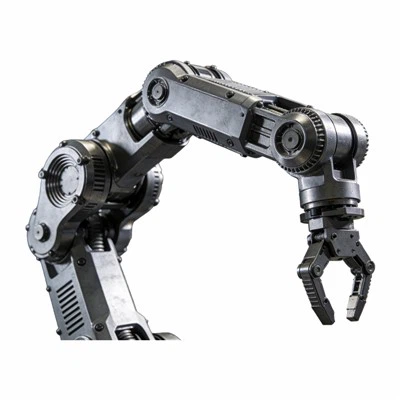
The CNC Machine Robot Arm is another area where stainless steel can shine. Arm components need to be strong and precise. Stainless steel can be machined to very tight tolerances, making it possible to create highly accurate parts. This precision is vital for military robots that might need to perform tasks like picking up and manipulating small objects, such as explosive devices during bomb disposal operations.
But it's not all sunshine and rainbows. There are some challenges when using stainless steel in military robots. One of the main issues is cost. Stainless steel is generally more expensive than other materials like aluminum or plastic. For large - scale military projects, cost can be a significant factor. The military has to balance performance requirements with budget constraints.
Another consideration is the weight in some cases. While stainless steel has a good strength - to - weight ratio, in some applications where every ounce matters, like in small, lightweight drones, the extra weight of stainless steel parts might be a drawback. In these situations, materials like Aluminium Robot Chassis or Plastic Robot Shell might be more suitable.
However, advancements in manufacturing techniques are helping to address some of these issues. For example, new machining processes are making it more cost - effective to produce stainless steel parts. Also, research is being done to develop lighter - weight stainless steel alloys without sacrificing too much strength.
In the military, the need for reliability and performance often outweighs cost concerns, especially for critical applications. Robots used in situations where human lives are at stake, such as in finding and neutralizing explosives, need to be as robust and dependable as possible. And that's where stainless steel metal robot parts really come into their own.
In conclusion, stainless steel metal robot parts definitely have a place in military robots. Their strength, durability, and precision make them suitable for a wide range of applications, from protecting sensitive accessories to forming the core components of heavy - duty robot arms. While there are some challenges like cost and weight, ongoing technological developments are making stainless steel an even more attractive option for the military.
If you're in the business of developing military robots or are just curious about our Stainless Steel Metal Robot Parts, don't hesitate to reach out. We'd love to chat with you about how our parts can meet your specific needs and contribute to the success of your projects.
References
- "Materials Science for Engineers" - A comprehensive book on materials properties and applications.
- Military robotics research papers from various defense - related institutions on the use of different materials in robot construction.