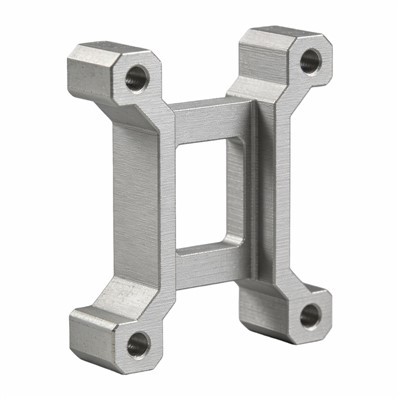
As a supplier of CNC machined plastic auto parts, one of the most frequently asked questions we encounter is whether these parts can be painted. The answer is a resounding yes, but there are several factors to consider to ensure a successful paint job. In this blog post, we'll explore the process of painting CNC machined plastic auto parts, the benefits, and some best practices to achieve a high-quality finish.
Understanding the Basics of Painting CNC Machined Plastic Auto Parts
Before delving into the painting process, it's essential to understand the nature of CNC machined plastic auto parts. These parts are typically made from various types of plastics, such as ABS, polycarbonate, and nylon, which have different surface properties and chemical compositions. These differences can affect how the paint adheres to the plastic and the overall durability of the finish.
Surface Preparation
The key to a successful paint job on CNC machined plastic auto parts lies in proper surface preparation. This step is crucial because it ensures that the paint adheres well to the plastic surface and provides a smooth, even finish. Here are the steps involved in surface preparation:
- Cleaning: The first step is to thoroughly clean the plastic parts to remove any dirt, grease, or contaminants. This can be done using a mild detergent and water, followed by a rinse with clean water and a dry with a lint-free cloth.
- Sanding: After cleaning, the plastic surface should be sanded to create a rough texture that allows the paint to adhere better. Use a fine-grit sandpaper (around 220 - 400 grit) and sand the surface evenly in a circular motion. Be careful not to sand too aggressively, as this can damage the plastic.
- Priming: Applying a primer is an important step in the painting process. A primer helps to improve the adhesion of the paint to the plastic surface and provides a uniform base for the topcoat. Choose a primer specifically designed for plastic surfaces and apply it according to the manufacturer's instructions.
Choosing the Right Paint
Selecting the right paint is crucial for achieving a high-quality finish on CNC machined plastic auto parts. There are several types of paints available, each with its own properties and characteristics. Here are some factors to consider when choosing a paint:
- Type of Plastic: Different types of plastics require different types of paint. For example, ABS plastic is best painted with acrylic or urethane paints, while polycarbonate plastic may require a specialized paint formulated for this material.
- Finish: Consider the desired finish of the painted parts. Do you want a glossy, semi-glossy, or matte finish? Different paints offer different finishes, so choose one that meets your aesthetic requirements.
- Durability: The paint should be durable enough to withstand the rigors of automotive use, including exposure to sunlight, heat, and chemicals. Look for paints that are specifically designed for automotive applications and offer good resistance to fading, chipping, and scratching.
Painting Process
Once the surface is prepared and the paint is selected, it's time to start the painting process. Here are the steps involved:
- Masking: Use masking tape and paper to protect any areas of the part that you don't want to paint, such as mounting holes or areas that will be in contact with other components.
- Applying the Paint: Apply the paint in thin, even coats using a spray gun or a brush. Start with a light coat and allow it to dry completely before applying additional coats. Follow the manufacturer's instructions for the recommended number of coats and drying times.
- Curing: After the final coat of paint is applied, allow the parts to cure according to the manufacturer's instructions. This may involve drying at room temperature or baking the parts in an oven at a specific temperature for a certain period of time.
Benefits of Painting CNC Machined Plastic Auto Parts
Painting CNC machined plastic auto parts offers several benefits, including:
- Aesthetics: Painting can enhance the appearance of the parts, giving them a more professional and finished look. This can be especially important for parts that are visible on the exterior of the vehicle.
- Protection: A painted finish can provide a protective barrier against scratches, chips, and UV damage, helping to extend the lifespan of the parts.
- Customization: Painting allows for customization of the parts, enabling you to match the color of the vehicle or create a unique look.
Best Practices for Painting CNC Machined Plastic Auto Parts
To ensure a successful paint job on CNC machined plastic auto parts, here are some best practices to follow:
- Work in a Clean Environment: Painting should be done in a clean, dust-free environment to prevent contaminants from getting on the painted surface.
- Use High-Quality Materials: Invest in high-quality paints, primers, and other painting supplies to ensure a durable and professional finish.
- Follow the Manufacturer's Instructions: Always follow the manufacturer's instructions for the paint, primer, and other painting supplies, including application techniques, drying times, and curing requirements.
- Test the Paint: Before painting the entire part, it's a good idea to test the paint on a small, inconspicuous area to ensure that it adheres well and provides the desired finish.
Conclusion
In conclusion, CNC machined plastic auto parts can be painted to enhance their appearance, protect them from damage, and allow for customization. By following the proper surface preparation, choosing the right paint, and following best practices, you can achieve a high-quality finish that will last for years. If you're interested in purchasing CNC machined plastic auto parts or have any questions about the painting process, please don't hesitate to [contact us for procurement and negotiation].


References
- Smith, J. (2020). "Painting Plastics: A Comprehensive Guide." Automotive Painting Magazine.
- Johnson, A. (2019). "Best Practices for Painting CNC Machined Parts." Manufacturing Today Journal.