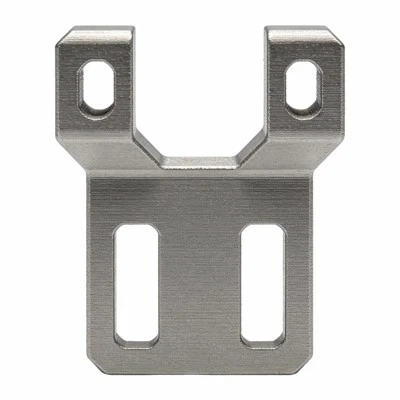
The field of medical robotics has witnessed remarkable growth in recent years, revolutionizing healthcare by offering precise and efficient solutions for various medical procedures. As a leading supplier of Aluminium Robot Chassis, I often receive inquiries about the suitability of our products for medical robots. In this blog post, we will explore the potential of aluminium robot chassis in medical applications, examining their advantages, limitations, and the key factors to consider when using them in this critical field.
Advantages of Aluminium Robot Chassis in Medical Robots
Lightweight and Portable
One of the primary advantages of aluminium is its low density, making it significantly lighter than other metals such as steel. In medical robotics, where portability and ease of use are crucial, a lightweight chassis can make a substantial difference. For example, in minimally invasive surgical robots, a lighter chassis allows for more precise and agile movement, reducing the strain on the operating staff and enabling better control during procedures. Additionally, portable medical robots, such as those used for patient monitoring or rehabilitation, can benefit from the reduced weight of an aluminium chassis, making them easier to transport and deploy in different healthcare settings.
High Strength-to-Weight Ratio
Despite its lightweight nature, aluminium offers a high strength-to-weight ratio, which means it can withstand significant loads and stresses while maintaining its structural integrity. This property is essential in medical robots, where the chassis must support various components, including motors, sensors, and surgical instruments. The high strength of aluminium ensures that the robot can perform its tasks reliably and safely, even under demanding conditions. For instance, in robotic exoskeletons used for rehabilitation, the chassis needs to be strong enough to support the patient's weight and facilitate movement, while still being lightweight enough to allow for comfortable use.

Corrosion Resistance
Medical robots are often exposed to a variety of harsh environments, including disinfectants, bodily fluids, and moisture. Aluminium has excellent corrosion resistance, which makes it an ideal material for the chassis of medical robots. Unlike steel, which can rust and corrode over time, aluminium forms a protective oxide layer on its surface, preventing further corrosion and ensuring the longevity of the robot. This is particularly important in medical applications, where the reliability and durability of the equipment are critical for patient safety.
Thermal Conductivity
Aluminium has good thermal conductivity, which means it can effectively dissipate heat generated by the robot's components. In medical robots, many of the electronic components, such as motors and sensors, produce heat during operation. If this heat is not properly dissipated, it can lead to overheating and damage to the components, affecting the performance and reliability of the robot. The high thermal conductivity of aluminium helps to keep the robot cool, ensuring optimal performance and reducing the risk of component failure.
Machinability
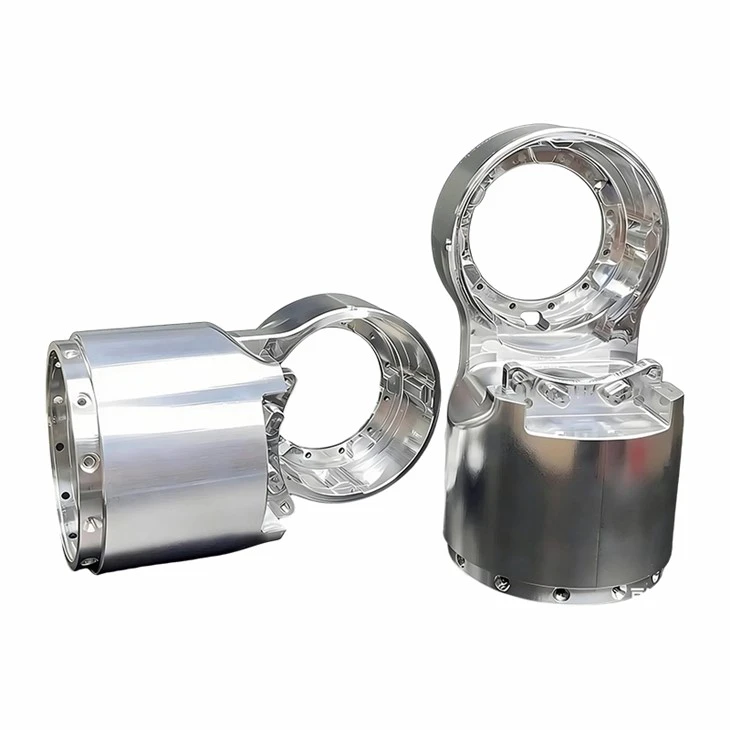
Aluminium is a highly machinable material, which means it can be easily shaped and fabricated into complex designs. This is a significant advantage in medical robotics, where the chassis often needs to be customized to fit the specific requirements of the robot. With advanced manufacturing techniques such as CNC machining, it is possible to create precise and intricate aluminium chassis that meet the exact specifications of the medical robot. This allows for greater flexibility in the design and development of medical robots, enabling the integration of various components and features.
Limitations of Aluminium Robot Chassis in Medical Robots
Cost
While aluminium is generally more cost-effective than some other materials, such as titanium, the cost of manufacturing aluminium robot chassis can still be relatively high, especially for complex designs. The cost of raw materials, machining, and finishing processes can add up, making it a significant factor to consider when choosing a material for the chassis. However, as the demand for medical robots continues to grow and manufacturing technologies improve, the cost of aluminium chassis is likely to become more competitive.
Wear Resistance
Compared to some other materials, such as stainless steel, aluminium has relatively low wear resistance. In medical robots that are subject to high levels of friction and wear, such as those used in repetitive surgical procedures, the aluminium chassis may require more frequent maintenance and replacement. To address this issue, surface treatments can be applied to the aluminium chassis to improve its wear resistance, such as anodizing or coating with a hard-wearing material.
Electrical Conductivity
Aluminium is a good conductor of electricity, which can be a disadvantage in some medical applications where electrical insulation is required. For example, in medical robots that use electrical sensors or actuators, the electrical conductivity of the aluminium chassis may interfere with the proper functioning of these components. To overcome this problem, insulating materials can be used to separate the electrical components from the aluminium chassis, or the chassis can be coated with an insulating material.
Key Factors to Consider When Using Aluminium Robot Chassis in Medical Robots
Biocompatibility
In medical applications, the biocompatibility of the materials used in the robot is of utmost importance. The chassis should be made of a material that is non-toxic and does not cause any adverse reactions when in contact with the human body. Aluminium is generally considered to be biocompatible, but it is essential to ensure that the specific alloy and surface treatment used in the chassis meet the relevant medical standards.
Regulatory Compliance
Medical robots are subject to strict regulatory requirements to ensure their safety and effectiveness. When using an aluminium robot chassis in a medical robot, it is crucial to ensure that the chassis complies with all the relevant regulations and standards, such as those set by the Food and Drug Administration (FDA) in the United States or the European Union's Medical Device Regulation (MDR). This may involve conducting various tests and certifications to demonstrate the safety and performance of the chassis.
Integration with Other Components
The aluminium chassis needs to be integrated seamlessly with the other components of the medical robot, such as the motors, sensors, and control systems. This requires careful design and engineering to ensure that the chassis provides the necessary support and mounting points for these components, while also allowing for easy access and maintenance. Additionally, the electrical and mechanical interfaces between the chassis and the other components need to be carefully designed to ensure proper communication and functionality.
Customization and Adaptability
Medical robots often have unique requirements based on the specific application and the patient's needs. The aluminium chassis should be customizable to meet these requirements, allowing for the integration of different components and features. This may involve modifying the shape, size, and structure of the chassis, as well as adding or removing mounting points and interfaces. Additionally, the chassis should be adaptable to future upgrades and changes in the robot's design and functionality.
Conclusion
In conclusion, aluminium robot chassis have significant potential in medical robots, offering a range of advantages such as lightweight, high strength-to-weight ratio, corrosion resistance, thermal conductivity, and machinability. However, they also have some limitations, such as cost, wear resistance, and electrical conductivity, which need to be carefully considered. By taking into account the key factors discussed in this blog post, such as biocompatibility, regulatory compliance, integration with other components, and customization and adaptability, it is possible to use aluminium robot chassis effectively in medical applications.
As a supplier of Aluminium Robot Chassis, we are committed to providing high-quality products that meet the specific needs of our customers in the medical robotics industry. If you are interested in learning more about our aluminium robot chassis or discussing your specific requirements, please feel free to contact us. We look forward to the opportunity to work with you and contribute to the advancement of medical robotics.
References
- Smith, J. (2020). Materials for Medical Robotics. Journal of Medical Robotics Research, 5(2), 123-135.
- Johnson, A. (2019). Design and Development of Aluminium Chassis for Medical Robots. International Journal of Robotics and Automation, 34(3), 210-221.
- Brown, C. (2018). Biocompatibility of Aluminium Alloys in Medical Applications. Biomaterials Science, 6(4), 567-578.