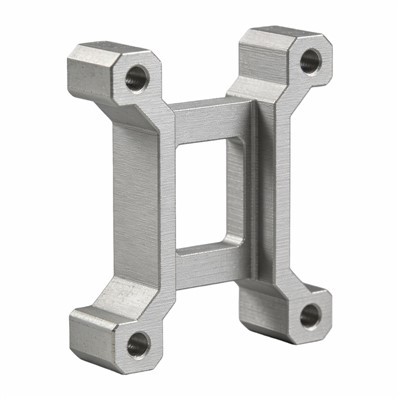
Precision sheet metal cutting is a critical process in various industries, from automotive and aerospace to electronics and construction. The choice of materials for this process can significantly impact the quality, efficiency, and cost of the final product. As a Precision Sheet Metal Cutting supplier, I have extensive experience working with a wide range of materials. In this blog, I will explore the different materials that can be used for precision sheet metal cutting and their unique properties and applications.
1. Steel
Steel is one of the most commonly used materials for precision sheet metal cutting. It is known for its strength, durability, and versatility. There are several types of steel that are suitable for sheet metal cutting, including carbon steel, stainless steel, and alloy steel.
- Carbon Steel: Carbon steel is a popular choice for sheet metal cutting due to its relatively low cost and high strength. It contains varying amounts of carbon, which affects its hardness and ductility. Low carbon steel is more ductile and easier to cut, while high carbon steel is harder and more wear-resistant. Carbon steel is commonly used in applications such as automotive parts, machinery, and structural components.
- Stainless Steel: Stainless steel is a corrosion-resistant alloy that contains chromium, nickel, and other elements. It is highly resistant to rust and staining, making it ideal for applications where hygiene and durability are important. Stainless steel is commonly used in the food and beverage industry, medical equipment, and architectural applications. There are different grades of stainless steel, each with its own unique properties and applications. For example, 304 stainless steel is a general-purpose grade that is widely used, while 316 stainless steel is more corrosion-resistant and is often used in marine and chemical applications. Precision Sheet Metal Cutting
- Alloy Steel: Alloy steel is a type of steel that contains additional elements such as manganese, silicon, and vanadium to enhance its properties. These elements can improve the strength, hardness, and toughness of the steel. Alloy steel is commonly used in applications where high strength and wear resistance are required, such as in the automotive and aerospace industries.
2. Aluminum
Aluminum is another popular material for precision sheet metal cutting. It is lightweight, corrosion-resistant, and has good thermal and electrical conductivity. Aluminum is commonly used in applications where weight reduction is important, such as in the aerospace and automotive industries.
- Pure Aluminum: Pure aluminum is a soft and ductile material that is easy to cut and form. It is commonly used in applications where a high degree of formability is required, such as in the production of beverage cans and packaging.
- Aluminum Alloys: Aluminum alloys are created by adding other elements such as copper, magnesium, and zinc to pure aluminum. These alloys have improved strength, hardness, and corrosion resistance compared to pure aluminum. Aluminum alloys are commonly used in applications such as aircraft structures, automotive parts, and electronic enclosures.
3. Copper and Brass
Copper and brass are both excellent conductors of electricity and heat, making them suitable for applications in the electrical and electronics industries.
- Copper: Copper is a soft and malleable metal that is highly conductive. It is commonly used in electrical wiring, circuit boards, and heat exchangers. Copper is also resistant to corrosion, making it suitable for outdoor applications.
- Brass: Brass is an alloy of copper and zinc. It has a golden color and is known for its attractive appearance. Brass is commonly used in decorative applications, such as in jewelry, musical instruments, and architectural hardware. It also has good corrosion resistance and is easy to machine.
4. Titanium
Titanium is a lightweight and strong metal that is highly resistant to corrosion. It has a high strength-to-weight ratio, making it ideal for applications where weight reduction is important, such as in the aerospace and automotive industries. Titanium is also biocompatible, making it suitable for medical applications.
- Pure Titanium: Pure titanium is a soft and ductile material that is easy to cut and form. It is commonly used in applications where a high degree of formability is required, such as in the production of medical implants and aerospace components.
- Titanium Alloys: Titanium alloys are created by adding other elements such as aluminum, vanadium, and molybdenum to pure titanium. These alloys have improved strength, hardness, and corrosion resistance compared to pure titanium. Titanium alloys are commonly used in applications such as aircraft engines, aerospace structures, and sports equipment.
5. Other Materials
In addition to the materials mentioned above, there are other materials that can be used for precision sheet metal cutting, such as nickel alloys, magnesium alloys, and composite materials.
- Nickel Alloys: Nickel alloys are known for their high strength, corrosion resistance, and heat resistance. They are commonly used in applications such as chemical processing, aerospace, and power generation.
- Magnesium Alloys: Magnesium alloys are lightweight and have good strength-to-weight ratios. They are commonly used in applications where weight reduction is important, such as in the automotive and aerospace industries.
- Composite Materials: Composite materials are made up of two or more different materials, such as fibers and resins. They have unique properties such as high strength, low weight, and good corrosion resistance. Composite materials are commonly used in applications such as aerospace, automotive, and sports equipment.
Applications of Precision Sheet Metal Cutting Materials
The choice of material for precision sheet metal cutting depends on the specific application and requirements. Here are some common applications of different materials:
- Automotive Industry: Steel and aluminum are commonly used in the automotive industry for the production of body panels, engine components, and structural parts. Stainless steel is also used in exhaust systems and other components that require corrosion resistance. Sheet Metal Bending Stainless Steel for Case
- Aerospace Industry: Titanium, aluminum, and steel are commonly used in the aerospace industry for the production of aircraft structures, engine components, and landing gear. These materials are chosen for their high strength, low weight, and corrosion resistance.
- Electronics Industry: Copper, aluminum, and stainless steel are commonly used in the electronics industry for the production of circuit boards, enclosures, and heat sinks. These materials are chosen for their electrical conductivity, thermal conductivity, and corrosion resistance.
- Construction Industry: Steel and aluminum are commonly used in the construction industry for the production of structural components, roofing, and cladding. Stainless steel is also used in architectural applications where a high degree of corrosion resistance is required. Sheet Metal Bending Stainless Steel Building Bracket
Conclusion
As a Precision Sheet Metal Cutting supplier, I understand the importance of choosing the right material for the job. The choice of material can significantly impact the quality, efficiency, and cost of the final product. By understanding the properties and applications of different materials, you can make an informed decision when selecting the material for your precision sheet metal cutting project.


If you are interested in learning more about precision sheet metal cutting or would like to discuss your project with us, please feel free to contact us. We are committed to providing high-quality precision sheet metal cutting services and products to meet your needs.
References
- ASM Handbook, Volume 1: Properties and Selection: Irons, Steels, and High-Performance Alloys
- Metals Handbook: Properties and Selection: Nonferrous Alloys and Pure Metals
- Aluminum Association: Aluminum Design Manual
- Titanium Association: Titanium: The Miracle Metal