Hey there! As a supplier of Aluminium Robot Chassis, I often get asked about the load distribution on these bad boys. It's a crucial aspect that can make or break the performance of a robot. So, let's dive right in and explore what load distribution on an aluminium robot chassis really means.
First off, what is load distribution? Well, it's all about how the weight of the robot and its payload is spread across the chassis. Think of it like a seesaw. If you have too much weight on one end, it'll tip over. The same goes for a robot. Proper load distribution ensures stability, balance, and efficient movement.
Now, why is aluminium such a great choice for robot chassis? Aluminium is lightweight yet strong. It has a high strength - to - weight ratio, which means you can build a chassis that can carry a decent load without adding too much extra weight. This is super important for robots, especially those that need to move around a lot.
When it comes to load distribution on an aluminium robot chassis, there are a few key factors to consider.
Center of Gravity
The center of gravity is like the sweet spot of a robot. It's the point where the entire weight of the robot can be considered to act. For a robot to be stable, the center of gravity should be as low as possible. If the center of gravity is too high, the robot is more likely to tip over, especially when it's making sharp turns or going up and down slopes.


We can adjust the center of gravity by placing heavy components like batteries and motors low in the chassis. For example, if you're building a robot with a big battery pack, putting it near the bottom of the chassis will help keep the center of gravity low.
Even Weight Distribution
Another important aspect is even weight distribution across the chassis. You don't want all the weight concentrated in one area. This can cause uneven stress on the chassis, leading to premature wear and tear.
To achieve even weight distribution, we can use a modular design. For instance, we can divide the chassis into different compartments and distribute the components evenly among them. This way, the load is spread out more evenly, reducing the stress on any one part of the chassis.
Payload Placement
The way you place the payload on the robot also affects load distribution. If you're carrying a heavy payload, it should be placed as close to the center of the chassis as possible. This helps to keep the overall balance of the robot.
Let's say you're building a delivery robot. If you place the package at the very front or back of the robot, it can throw off the balance. Instead, find a central position for the payload to ensure that the load is distributed evenly.
Impact on Movement
Proper load distribution has a huge impact on the robot's movement. A robot with good load distribution will move more smoothly and efficiently. It'll be able to make turns without losing balance and can handle different terrains better.
On the other hand, a robot with poor load distribution may have trouble moving. It might wobble, tip over easily, or consume more energy to move because it's constantly trying to correct its balance.
Our Aluminium Robot Chassis
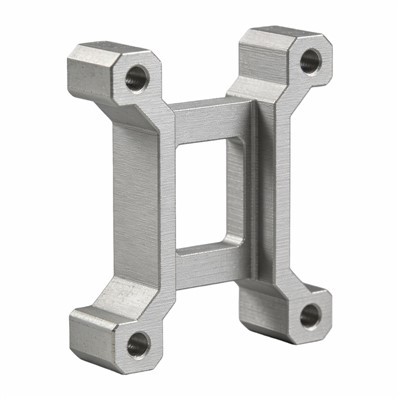
At our company, we've spent a lot of time perfecting the load distribution on our aluminium robot chassis. We use advanced design techniques and materials to ensure that our chassis can handle different loads effectively.
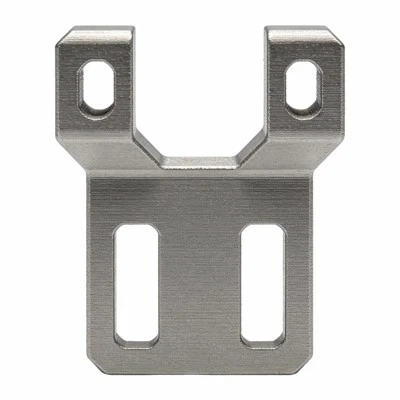
We also offer a range of Robot Accessories that can help you customize your robot and optimize its load distribution. Whether you need additional brackets to secure your components or special attachments for your payload, we've got you covered.
If you're into humanoid robots, we also have Humanoid Robot Joint Parts. These parts are designed to work seamlessly with our aluminium chassis, allowing you to build a humanoid robot with excellent load distribution and movement capabilities.
And for those who prefer stainless steel components, we offer Stainless Steel Metal Robot Parts. These parts can be combined with our aluminium chassis to create a hybrid robot that offers the best of both worlds.
Contact Us for Purchase
If you're interested in our aluminium robot chassis or any of our other products, we'd love to hear from you. Whether you're a hobbyist building your first robot or a professional in the robotics industry, we can provide you with the right solutions for your needs.
Just reach out to us, and we'll be happy to discuss your requirements and help you find the perfect products for your project. We're here to support you every step of the way.
References
- "Robotics: Engineering Science and Technology" by David A. Mindell
- "Introduction to Robotics: Mechanics and Control" by John J. Craig