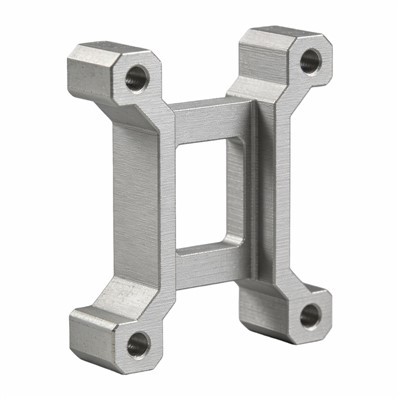
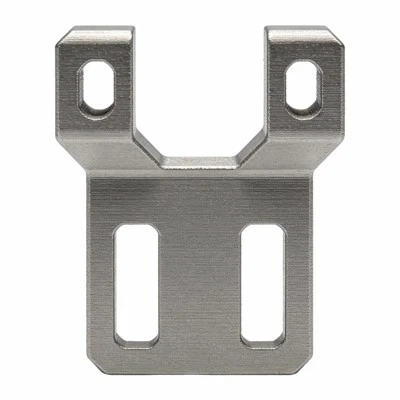
When it comes to 3D printing plastic parts, the design process is a critical step that can significantly impact the final product's quality, functionality, and cost. As a 3D Printing Plastic Parts supplier, I've had the privilege of working on a wide range of projects, from simple prototypes to complex, end-use parts. In this blog post, I'll share some key considerations and best practices for designing plastic parts for 3D printing.
Understanding the 3D Printing Process
Before diving into the design process, it's essential to have a basic understanding of the 3D printing technologies available for plastic parts. The most common methods include Fused Deposition Modeling (FDM), Stereolithography (SLA), and Selective Laser Sintering (SLS). Each technology has its own strengths and limitations, which can influence the design choices you make.
- FDM: This is the most widely used 3D printing technology for plastic parts. It works by extruding a thermoplastic filament through a heated nozzle, layer by layer, to build the part. FDM is relatively inexpensive and can produce parts with a wide range of geometries. However, it may have lower resolution and surface finish compared to other technologies.
- SLA: SLA uses a laser to cure a liquid resin, layer by layer, to create the part. It offers high resolution and excellent surface finish, making it ideal for parts with intricate details. SLA is commonly used in applications such as jewelry, dental models, and SLA 3D Printing for Medical Parts.
- SLS: SLS uses a laser to sinter a powdered plastic material, layer by layer, to form the part. It can produce strong, durable parts with complex geometries. SLS is suitable for functional prototypes and end-use parts, and it can work with a variety of plastic materials.
Design Considerations for 3D Printing Plastic Parts
Wall Thickness
One of the most important design considerations for 3D printed plastic parts is wall thickness. The wall thickness should be sufficient to provide structural integrity while also being thin enough to avoid excessive material usage and printing time. The minimum wall thickness depends on the 3D printing technology and the material being used. For example, FDM typically requires a minimum wall thickness of around 1-2 mm, while SLA can achieve thinner walls, down to 0.5 mm or less.
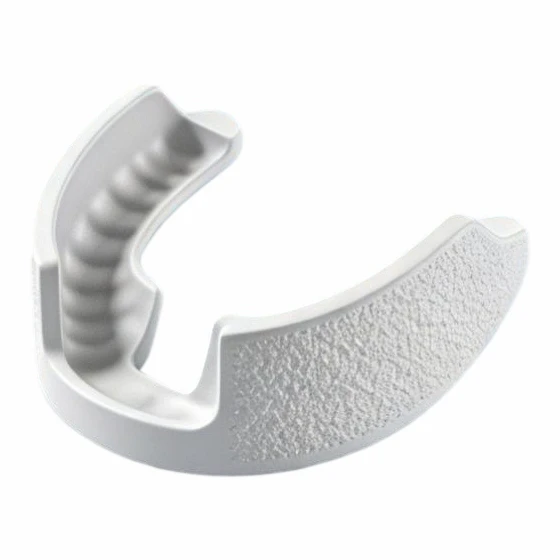

Draft Angles
Draft angles are slopes added to the vertical walls of a part to facilitate its removal from the mold or support structure. In 3D printing, draft angles can also help improve the printability of the part. A draft angle of 1-2 degrees is usually sufficient for most parts. However, for parts with deep cavities or undercuts, a larger draft angle may be required.
Support Structures
Support structures are often necessary in 3D printing to hold up overhanging features and prevent them from collapsing during the printing process. When designing parts, it's important to minimize the need for support structures as much as possible. This can be achieved by using self-supporting geometries, such as arches and domes, or by orienting the part in the printer to reduce the amount of overhang.
Fillet and Chamfer
Fillet and chamfer are design features that can improve the strength and durability of 3D printed parts. A fillet is a rounded corner, while a chamfer is a beveled edge. These features can help reduce stress concentrations and prevent cracks from forming in the part. When designing parts, it's recommended to add fillets and chamfers to sharp corners and edges.
Material Selection
The choice of material is another important factor in the design of 3D printed plastic parts. Different materials have different properties, such as strength, flexibility, and heat resistance. When selecting a material, it's important to consider the specific requirements of the part, such as its intended use, environmental conditions, and aesthetic preferences. Some common materials used in 3D printing include PLA, ABS, PETG, and nylon.
Design Tools and Software
To design plastic parts for 3D printing, you'll need to use a 3D modeling software. There are many different software options available, ranging from free and open-source programs to professional-grade software. Some popular 3D modeling software for 3D printing include:
- Tinkercad: This is a free, web-based 3D modeling software that is easy to use and suitable for beginners. It offers a simple interface and a wide range of tools for creating basic 3D models.
- Fusion 360: This is a professional-grade 3D modeling software that offers advanced features and capabilities. It is suitable for more complex designs and can be used for both product design and engineering.
- Blender: This is a free and open-source 3D modeling software that is popular among artists and designers. It offers a wide range of tools for creating 3D models, animations, and visual effects.
Design Optimization for 3D Printing
Once you have designed your plastic part, it's important to optimize it for 3D printing. This can involve making adjustments to the design to improve its printability, reduce material usage, and enhance its overall performance. Some tips for design optimization include:
- Simplify the design: Remove any unnecessary features or details from the design to reduce the complexity of the part. This can help improve the printability and reduce the printing time.
- Reduce the number of parts: If possible, try to combine multiple parts into a single part to reduce the number of assembly steps and improve the overall strength of the part.
- Optimize the orientation: The orientation of the part in the printer can have a significant impact on its printability and surface finish. Experiment with different orientations to find the one that produces the best results.
- Use lattice structures: Lattice structures are lightweight, strong, and can reduce the amount of material used in the part. They can be used to replace solid sections of the part without sacrificing its strength.
Quality Control and Testing
After the part is printed, it's important to perform quality control and testing to ensure that it meets the required specifications. This can involve visual inspection, dimensional measurement, and mechanical testing. Some common quality control and testing methods include:
- Visual inspection: Check the part for any visible defects, such as cracks, warping, or surface imperfections.
- Dimensional measurement: Use a caliper or other measuring tool to check the dimensions of the part and ensure that it meets the design specifications.
- Mechanical testing: Perform mechanical tests, such as tensile testing or hardness testing, to evaluate the strength and durability of the part.
Conclusion
Designing plastic parts for 3D printing requires a combination of technical knowledge, creativity, and attention to detail. By understanding the 3D printing process, considering the design factors, using the right tools and software, and optimizing the design for 3D printing, you can create high-quality plastic parts that meet your specific requirements. As a 3D Printing Plastic Parts supplier, we have the expertise and experience to help you with your 3D printing projects. If you're interested in learning more about our 3D Printing Plastic Parts or 3D Printing Metal Part SLA Aluminum Stainless Steel services, please don't hesitate to contact us for a consultation. We look forward to working with you to bring your ideas to life.
References
- Gibson, I., Rosen, D. W., & Stucker, B. (2010). Additive manufacturing technologies: rapid prototyping to direct digital manufacturing. Springer Science & Business Media.
- Wohlers, T., & Wohlers Associates. (2018). Wohlers report 2018: 3D printing and additive manufacturing state of the industry. Wohlers Associates.
- ASTM International. (2015). Standard terminology for additive manufacturing technologies. ASTM F2792-12a.