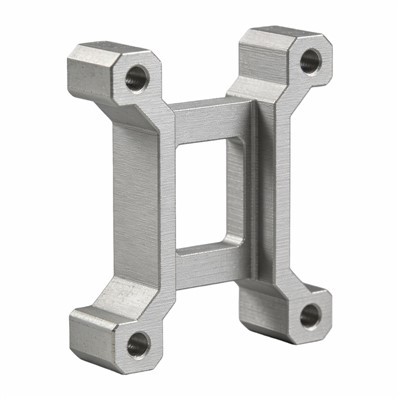
As a long - time provider of precision metal stamping services, I've got my fair share of experiences with using feed systems in this line of work. The concept of a feed system in precision metal stamping might sound straightforward at first glance. It's all about moving the metal stock through the stamping press accurately and consistently. But trust me, it comes with its own set of challenges that can really throw a wrench in the works.


Material Compatibility
One of the biggest headaches we face is material compatibility. You see, different metals have different properties, and these properties can seriously affect how they interact with the feed system. Take stainless steel, a popular choice in many industries. The sturdiness and corrosion - resistance of stainless steel are great, but it's also quite tough. When you're trying to feed stainless steel into the stamping press, the feed system has to work extra hard to grip and move the material without causing any slippage. If the gripping force is too weak, the metal won't feed smoothly, leading to misaligned stampings. On the other hand, if it's too strong, it can damage the surface of the stainless steel. If you're interested in Stainless Steel Sheet Metal Processing, you'll know that maintaining the integrity of the metal surface is crucial.
Carbon steel is another story. It's more malleable than stainless steel, but it also has a tendency to deform more easily. This means that the feed system has to be carefully calibrated to avoid over - feeding or under - feeding the material. A slight miscalculation can result in scrap parts, which is a huge waste of time and resources. For those looking into Carbon Steel Sheet Metal Fabrication, getting the feed right is half the battle.
Feeding Speed and Precision
Balancing feeding speed and precision is like walking a tightrope. On one hand, we want to increase the feeding speed to boost production volume. The faster the metal stock is fed through the press, the more parts we can stamp out in a given time frame. But here's the catch: as you increase the speed, it becomes harder to maintain accuracy. The feed system has less time to adjust for any minor variations in the material, such as thickness differences or surface irregularities.
Even a tiny deviation in the feeding process can lead to significant problems in the final stamped parts. The holes might be misaligned, or the edges of the parts might not be as sharp as they should be. This requires constant monitoring and adjustment of the feed system. We often have to fine - tune the settings based on real - time feedback from the production line. It's a never - ending process, and any mistake can cost us a lot in terms of both rework and lost production time.
Wear and Tear
The components of the feed system are under a tremendous amount of stress during the stamping process. The grippers, rollers, and other moving parts are constantly in contact with the metal stock, which can cause significant wear and tear over time. The continuous friction and pressure can lead to the degradation of the feed system components, affecting their performance.
For example, the grippers can become worn out, losing their ability to grip the metal firmly. This can result in inconsistent feeding, and we end up with a batch of defective parts. Replacing these worn - out parts can be expensive, both in terms of the cost of the new components and the downtime required for the replacement. It's not just about buying a new part and putting it in place; we also have to recalibrate the entire feed system to ensure it works properly again.
Dust and Debris
In a metal stamping environment, dust and debris are inevitable. The stamping process generates metal shavings, and these can find their way into the feed system. Once inside, the dust and debris can cause all sorts of problems. They can jam the moving parts, making the feed system malfunction. Even a small piece of metal debris can get stuck in a crucial part of the system and disrupt the feeding process completely.
Moreover, the accumulation of dust and debris can also affect the accuracy of the feed system. It can change the friction between the metal stock and the feed system components, leading to inconsistent feeding. Regular cleaning and maintenance are essential to keep the feed system free from dust and debris. But this is easier said than done. In a busy production environment, finding the time to clean and maintain the feed system can be a challenge.
Integration with the Stamping Press
The feed system needs to work in perfect harmony with the stamping press. Any misalignment or lack of synchronization between the two can lead to serious problems. For instance, if the feed system is not feeding the metal stock at the right time, the stamping press might strike the material when it's not in the correct position. This can result in damaged tools, scrap parts, and even pose a safety risk to the operators.
Integrating the feed system with the stamping press requires a deep understanding of both systems. We need to ensure that the feed rate, the timing, and the positioning are all coordinated. This often involves a lot of trial and error, as well as the use of sophisticated control systems. Even with the best technology, achieving seamless integration can be a complex and time - consuming process.
Cost - Benefit Analysis
When dealing with all these challenges, we also have to consider the cost - benefit analysis. Upgrading the feed system to address some of the issues can be quite expensive. For example, investing in a more advanced feed system with better material handling capabilities and higher precision can cost a fortune. On top of that, there are the costs associated with training the operators to use the new system.
However, if we don't make these investments, we risk losing out on business due to lower quality products and slower production times. It's a delicate balance between spending money to improve the feed system and making sure that the investment pays off in the long run. We have to carefully evaluate the potential benefits of any upgrades against the upfront costs.
Conclusion
Using a feed system in precision metal stamping is no walk in the park. From material compatibility and feeding speed to wear and tear, dust and debris, integration with the stamping press, and cost - benefit analysis, there are numerous challenges that we face on a daily basis. But despite these challenges, the rewards of providing high - quality precision metal stamping services are well worth the effort.
If you're in the market for precision metal stamping services and want to discuss how we can overcome these feed system challenges to meet your specific needs, we'd love to hear from you. Whether you're looking for stainless steel or carbon steel stamping, or even Sheet Metal Powder Coating after the stamping process, we have the expertise and the resources to deliver top - notch products. Reach out to us for a consultation and let's start a conversation about your project.
References
- Metal Stamping Handbook: A Comprehensive Guide to the Metal Stamping Industry
- Precision Metalworking Magazine articles on feed systems in metal stamping