


What is the vibration resistance of stainless steel metal robot parts?
As a supplier of Stainless Steel Metal Robot Parts, I've witnessed firsthand the crucial role that vibration resistance plays in the performance and longevity of robotic components. In the dynamic world of robotics, where precision and reliability are non - negotiable, understanding the vibration resistance of stainless steel metal robot parts is essential.
The Basics of Vibration in Robotic Systems
Vibration is an inherent aspect of robotic operations. Robots move, rotate, and perform tasks that generate mechanical forces, leading to vibrations. These vibrations can stem from various sources, such as motor operation, gear meshing, and uneven movement across surfaces. If not properly managed, vibrations can have detrimental effects on the robot's performance. They can cause wear and tear on components, reduce the accuracy of movements, and even lead to system failures over time.
Why Stainless Steel for Robot Parts?
Stainless steel is a popular choice for robot parts due to its numerous advantages. It offers excellent corrosion resistance, which is vital in environments where robots may be exposed to moisture, chemicals, or other corrosive substances. Additionally, stainless steel has high strength - to - weight ratio, making it suitable for applications where both strength and lightness are required.
When it comes to vibration resistance, stainless steel's unique properties come into play. Its molecular structure provides a certain level of damping ability. Damping is the ability of a material to dissipate energy when it is subjected to vibration. Stainless steel can absorb and disperse the energy generated by vibrations, reducing the amplitude of the vibrations and minimizing their impact on the robot's operation.
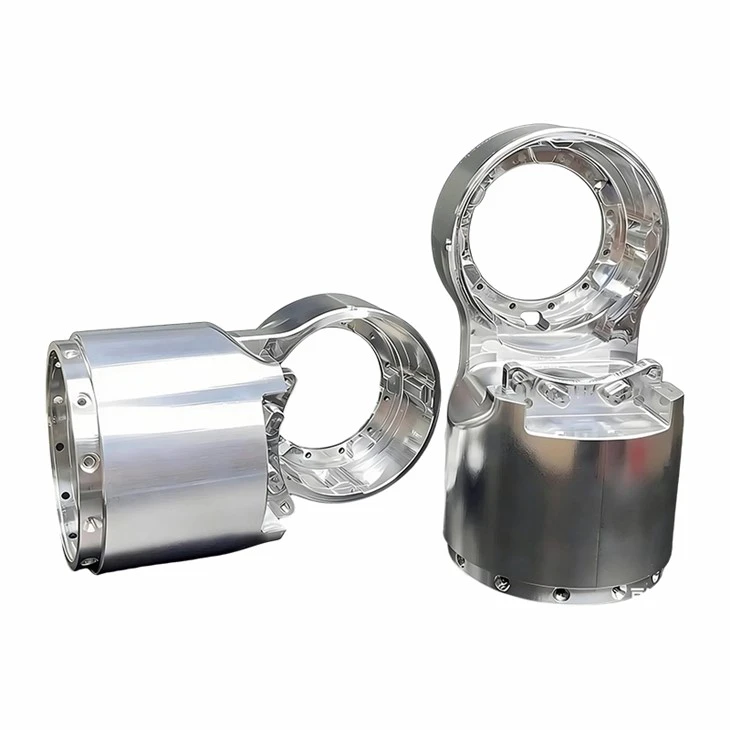

Factors Affecting Vibration Resistance of Stainless Steel Robot Parts
- Material Composition
The specific alloy composition of stainless steel can significantly influence its vibration - damping properties. Different grades of stainless steel contain varying amounts of elements such as chromium, nickel, and molybdenum. For example, a stainless steel alloy with a higher nickel content may have better damping characteristics compared to one with a lower nickel content. These elements can affect the material's internal structure, which in turn impacts its ability to absorb and dissipate vibration energy. - Part Design
The design of the robot part also plays a crucial role in its vibration resistance. A well - designed part can be optimized to distribute the forces generated by vibrations more evenly. For instance, parts with a more streamlined shape or those with strategic reinforcement can reduce the concentration of stress caused by vibrations. Additionally, the use of ribs, gussets, or other structural features can enhance the part's stiffness and damping capabilities. - Manufacturing Process
The manufacturing process used to produce the stainless steel robot parts can affect their vibration resistance. Processes such as precision machining, forging, and casting can impact the material's internal structure and mechanical properties. For example, a forged stainless steel part may have a more uniform grain structure, which can improve its ability to resist vibrations compared to a cast part.
Testing Vibration Resistance
To ensure the vibration resistance of our Stainless Steel Metal Robot Parts, we conduct a series of rigorous tests. One common test is the vibration test, where the parts are subjected to controlled vibrations at different frequencies and amplitudes. During these tests, we measure the response of the parts, including the amplitude of the vibrations they experience and the amount of energy they dissipate.
Another important test is the fatigue test. Since vibrations can cause fatigue in the material over time, we simulate long - term vibration exposure to determine the part's fatigue life. This helps us identify any potential weaknesses in the part and make necessary improvements to enhance its vibration resistance.
Applications and Benefits of High - Vibration - Resistant Stainless Steel Robot Parts
- Industrial Robots
In industrial settings, robots are often required to perform repetitive and high - speed tasks. High - vibration - resistant stainless steel parts are essential in these applications as they can withstand the continuous vibrations generated by the robot's movements. This ensures the accuracy and reliability of the robot's operations, reducing downtime and maintenance costs. - Medical Robots
Medical robots are used in delicate surgical procedures and other medical applications. The vibration resistance of stainless steel parts in these robots is critical to ensure precise movements and minimize the risk of errors. A small amount of vibration can have a significant impact on the outcome of a surgical procedure, so high - quality, vibration - resistant parts are a must. - Aerospace Robots
In the aerospace industry, robots are used for tasks such as assembly, inspection, and maintenance. The harsh operating conditions, including high - altitude flights and extreme temperatures, require robot parts with excellent vibration resistance. Stainless steel parts can withstand these conditions and provide reliable performance.
Complementary Products
In addition to Stainless Steel Metal Robot Parts, we also offer Robot Accessories and Aluminium Robot Chassis. These products are designed to work in harmony with our stainless steel parts to enhance the overall performance of the robot. The accessories can provide additional functionality, while the aluminium chassis offers a lightweight yet sturdy base for the robot.
Conclusion and Call to Action
The vibration resistance of stainless steel metal robot parts is a critical factor in the performance and reliability of robotic systems. Our company is committed to providing high - quality stainless steel parts that offer excellent vibration resistance. Whether you are in the industrial, medical, or aerospace sector, our products can meet your needs.
If you are interested in purchasing our Stainless Steel Metal Robot Parts, Robot Accessories, or Aluminium Robot Chassis, we invite you to contact us for a detailed discussion. We are ready to work with you to find the best solutions for your robotic applications.
References
- "Engineering Materials and Their Applications" by Donald Askeland and Pradeep Fulay.
- "Robotics: Modelling, Planning and Control" by Bruno Siciliano, Lorenzo Sciavicco, Luigi Villani, and Giuseppe Oriolo.
- Research papers on the mechanical properties of stainless steel in robotic applications from various academic journals.


