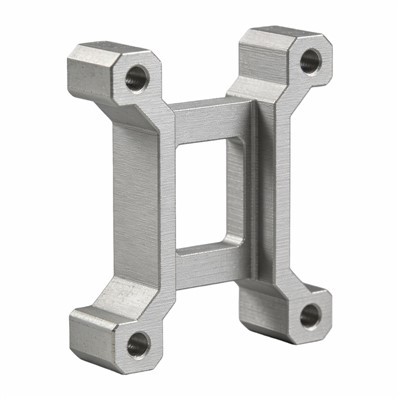
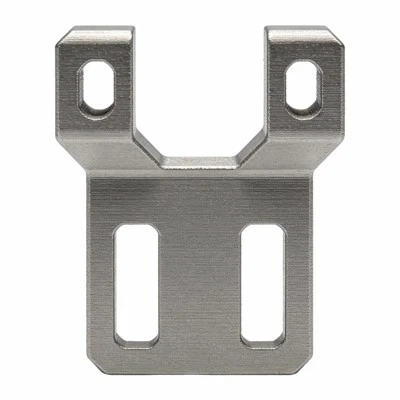
Selective Laser Melting (SLM) 3D printing technology has emerged as a revolutionary force in the energy industry, offering unparalleled opportunities for the production of stainless steel models. As a leading supplier of SLM 3D printing stainless steel models, we understand the unique requirements and challenges that the energy sector presents. In this blog post, we will explore the key requirements for SLM 3D printed stainless steel models in the energy industry, highlighting the importance of precision, durability, and performance.
Precision and Accuracy
In the energy industry, precision is of utmost importance. Components used in power generation, oil and gas exploration, and renewable energy systems must meet strict tolerances to ensure optimal performance and safety. SLM 3D printing technology allows for the creation of highly precise stainless steel models with complex geometries that are difficult or impossible to achieve using traditional manufacturing methods.
One of the primary advantages of SLM 3D printing is its ability to produce parts with high dimensional accuracy. By using a laser to selectively melt metal powder layer by layer, SLM technology can achieve tolerances as low as ±0.05 mm, ensuring that the final product meets the exact specifications of the design. This level of precision is crucial in applications where tight fits and clearances are required, such as turbine blades, heat exchangers, and fuel injectors.
In addition to dimensional accuracy, SLM 3D printing also offers excellent surface finish. The smooth surface finish of SLM printed parts reduces friction and wear, improving the efficiency and reliability of energy systems. This is particularly important in applications where components are exposed to high temperatures, pressures, and corrosive environments, such as in oil and gas pipelines and power generation equipment.
Durability and Strength
The energy industry operates in harsh and demanding environments, where components must withstand extreme temperatures, pressures, and corrosive substances. Stainless steel is a popular choice for energy applications due to its excellent corrosion resistance, high strength, and durability. SLM 3D printing allows for the production of stainless steel models with superior mechanical properties, making them ideal for use in the energy sector.
One of the key advantages of SLM 3D printed stainless steel models is their high density and low porosity. The layer-by-layer melting process used in SLM technology ensures that the metal powder is fully melted and fused, resulting in a dense and homogeneous structure. This high density and low porosity contribute to the strength and durability of the final product, making it resistant to cracking, fatigue, and corrosion.
In addition to its high density, SLM 3D printed stainless steel models also exhibit excellent mechanical properties, such as high tensile strength, yield strength, and hardness. These properties make them suitable for use in a wide range of energy applications, including power generation, oil and gas exploration, and renewable energy systems. For example, SLM 3D printed stainless steel turbine blades can withstand high temperatures and pressures, improving the efficiency and performance of gas turbines.
Performance and Efficiency
In the energy industry, performance and efficiency are critical factors that can significantly impact the bottom line. SLM 3D printing technology offers several advantages that can help improve the performance and efficiency of energy systems.
One of the key advantages of SLM 3D printing is its ability to produce lightweight and complex parts. By using advanced design techniques and optimization algorithms, SLM technology can create parts with reduced weight and improved strength-to-weight ratios. This not only reduces the overall weight of the energy system but also improves its efficiency and performance. For example, SLM 3D printed stainless steel heat exchangers can be designed with intricate geometries that maximize heat transfer efficiency, reducing energy consumption and operating costs.
In addition to its lightweight and complex design capabilities, SLM 3D printing also allows for the production of parts with integrated features and functions. This eliminates the need for multiple components and assembly steps, reducing the overall cost and complexity of the energy system. For example, SLM 3D printed stainless steel fuel injectors can be designed with integrated nozzles and valves, improving the fuel injection process and reducing emissions.
Material Compatibility and Certification
In the energy industry, material compatibility and certification are crucial factors that must be considered when selecting components for use in energy systems. SLM 3D printed stainless steel models must meet strict industry standards and regulations to ensure their safety and reliability.
One of the key advantages of SLM 3D printing is its ability to use a wide range of stainless steel alloys, including 316L, 17-4PH, and Inconel 718. These alloys offer excellent corrosion resistance, high strength, and good weldability, making them suitable for use in a variety of energy applications. In addition, SLM 3D printed stainless steel models can be heat treated and post-processed to further improve their mechanical properties and performance.
To ensure the quality and reliability of SLM 3D printed stainless steel models, it is important to work with a supplier that has experience and expertise in the energy industry. A reputable supplier will have a thorough understanding of the industry requirements and regulations, and will be able to provide certified products that meet the highest standards of quality and performance.
Cost-Effectiveness and Lead Time
In addition to precision, durability, performance, and material compatibility, cost-effectiveness and lead time are also important factors that must be considered when selecting a supplier for SLM 3D printed stainless steel models.


One of the key advantages of SLM 3D printing is its ability to reduce costs and lead times compared to traditional manufacturing methods. By eliminating the need for expensive tooling and molds, SLM technology allows for the production of parts on-demand, reducing inventory costs and lead times. In addition, SLM 3D printing can also reduce the amount of material waste, further reducing costs and environmental impact.
As a leading supplier of SLM 3D printing stainless steel models, we offer competitive pricing and fast turnaround times to meet the needs of our customers in the energy industry. Our state-of-the-art SLM 3D printing facilities and experienced team of engineers and technicians ensure that we can provide high-quality products that meet the exact specifications of our customers.
Conclusion
In conclusion, SLM 3D printing technology offers significant advantages for the production of stainless steel models in the energy industry. By providing high precision, durability, performance, and cost-effectiveness, SLM 3D printed stainless steel models are ideal for use in a wide range of energy applications, including power generation, oil and gas exploration, and renewable energy systems.
As a leading supplier of SLM 3D printing stainless steel models, we are committed to providing our customers with the highest quality products and services. Our state-of-the-art SLM 3D printing facilities, experienced team of engineers and technicians, and commitment to innovation and continuous improvement ensure that we can meet the unique requirements and challenges of the energy industry.
If you are interested in learning more about our SLM 3D printing stainless steel models or would like to discuss your specific requirements, please contact us today. We look forward to working with you to provide the best solutions for your energy needs.
References
- Gibson, I., Rosen, D. W., & Stucker, B. (2015). Additive manufacturing technologies: 3D printing, rapid prototyping, and direct digital manufacturing. Springer.
- Wohlers, T., & Caffrey, T. (2019). Wohlers report 2019: 3D printing and additive manufacturing state of the industry. Wohlers Associates.
- ASTM International. (2019). Standard specification for additive manufacturing of metallic materials - General requirements. ASTM F3049-14.
For more information on our 3D printing services, please visit our websites: 3D Printing Service ABS Plastic Rapid Prototype, Nylon SLS 3D Printing Parts, and 3D Printing Model Parts.