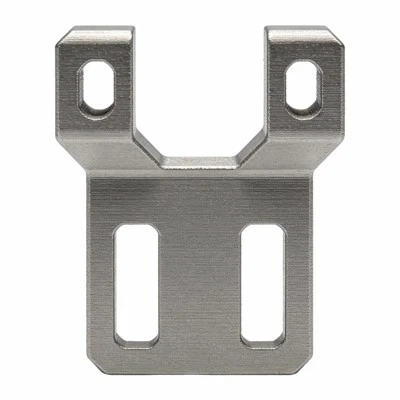
As a supplier of Robot Accessories, I've encountered numerous inquiries from customers regarding the lifespan of these components. This topic is not only crucial for end - users but also significantly impacts our business operations. In this blog, we will delve into the question: Do robot accessories have a limited lifespan?
Factors Affecting the Lifespan of Robot Accessories
Material Composition
The materials used in manufacturing robot accessories play a pivotal role in determining their lifespan. For instance, Plastic Robot Shell is commonly used due to its lightweight and cost - effective nature. However, plastics are more prone to wear and tear, especially in high - stress environments. UV radiation can cause plastics to become brittle over time, leading to cracks and breakages. On the other hand, Stainless Steel Metal Robot Parts offer high durability and corrosion resistance. They can withstand harsh conditions, such as exposure to chemicals and extreme temperatures, and thus generally have a longer lifespan compared to plastic parts.
Usage Frequency and Intensity
How often and how intensively a robot accessory is used directly affects its lifespan. A CNC Machine Robot Arm that operates continuously in a high - speed manufacturing environment will experience more wear on its joints and moving parts than one that is used sporadically. Frequent starts, stops, and high - speed movements generate mechanical stress, which can lead to fatigue and eventually failure of the component.
Environmental Conditions
The environment in which the robot operates also has a significant influence on the lifespan of its accessories. In a dusty, dirty, or humid environment, the Aluminium Robot Chassis may be more likely to corrode. Moisture can cause rust on metal parts and promote the growth of mold on plastic components. Additionally, extreme temperatures can affect the performance and integrity of materials. High temperatures can cause plastics to soften and metals to expand, while low temperatures can make materials more brittle.


Examples of Lifespan Variation in Different Robot Accessories
Sensors
Robot sensors are essential for their operation, but they also have a limited lifespan. Optical sensors, for example, can be affected by dust and dirt accumulation on their lenses, reducing their accuracy over time. The lifespan of a typical optical sensor may range from a few months to a couple of years, depending on the operating environment and usage frequency.
Actuators
Actuators, which are responsible for the movement of robot parts, are subject to mechanical wear. Electric actuators, such as servo motors, can experience degradation of their windings and bearings. The lifespan of a servo motor can vary from 10,000 to 50,000 operating hours, depending on the quality of the motor and the load it is subjected to.
Structural Components
Structural components like the robot chassis and shells are designed to provide support and protection. As mentioned earlier, Plastic Robot Shell may last for a few years under normal conditions, but they are more likely to need replacement sooner than Aluminium Robot Chassis, which can have a lifespan of 5 - 10 years or more, given proper maintenance.
Extending the Lifespan of Robot Accessories
Regular Maintenance
Regular maintenance is the key to extending the lifespan of robot accessories. This includes cleaning, lubrication, and inspection of components. For example, cleaning the sensors regularly can prevent dust and dirt from accumulating and affecting their performance. Lubricating the moving parts of actuators can reduce friction and wear.
Proper Installation
Proper installation of robot accessories is also crucial. Incorrect installation can lead to uneven stress distribution, which can accelerate the wear of components. It is important to follow the manufacturer's installation instructions carefully to ensure that all parts are installed correctly.
Up - to - Date Technology
Using up - to - date technology can also help extend the lifespan of robot accessories. Newer materials and designs often offer better performance and durability. For example, advanced composite materials may be more resistant to wear and corrosion than traditional materials.
The Business Perspective as a Robot Accessories Supplier
As a supplier of Robot Accessories, understanding the lifespan of our products is essential for several reasons. Firstly, it allows us to provide accurate information to our customers. When customers are aware of the expected lifespan of the accessories they are purchasing, they can plan for replacements and budget accordingly.
Secondly, it helps us in product development. By analyzing the factors that affect the lifespan of our accessories, we can focus on improving the design and materials to increase durability. This not only benefits our customers but also enhances our competitiveness in the market.
Finally, it enables us to offer better after - sales service. We can provide maintenance guidelines and replacement schedules to our customers, ensuring that their robots operate efficiently for as long as possible.
In conclusion, robot accessories do have a limited lifespan, but the exact duration varies depending on multiple factors such as material, usage, and environment. By taking appropriate measures to extend the lifespan of these components, both users and suppliers can benefit. If you are interested in purchasing high - quality robot accessories or have any questions about their lifespan and maintenance, we invite you to contact us to discuss your specific needs.
References
- Smith, J. (2020). "Materials Science for Robotics". Robotics Press.
- Johnson, A. (2019). "Maintenance Strategies for Industrial Robots". Industrial Robotics Journal.
- Brown, C. (2018). "Environmental Impact on Robot Components". Environmental Robotics Studies.